How to Commission Public Art Installations, Step by Step
Last Updated: November 22, 2026
Quick Summary
To commission public art, define the purpose and site, write a clear brief, choose an artist through an open call or direct invitation, agree on design and budget, then oversee fabrication and installation. Following these stages in order keeps approvals and timing on track.
- Write a commission brief of two or three pages covering purpose, site, budget, timeline and technical needs.
- Name a single point of contact early so conflicting feedback from departments gets resolved.
- Publish selection criteria and their weights before proposals arrive so artists can tailor their responses.
- Have each panel member score proposals independently before group discussion, and record the scores.
- Start site preparation alongside fabrication, which is the biggest single schedule saving available.
Table of Contents
- What Commissioning a Public Art Installation Involves
- Who Takes Part: The Stakeholders in a Public Art Commission
- Writing a Public Art Commission Brief Template
- How to Find a Sculptor for Your Project
- Public Art Selection Criteria and the Selection Panel
- Building a Realistic Public Art Project Timeline
- Planning the Next Step for Your Commission
- Frequently Asked Questions
What Commissioning a Public Art Installation Involves
Commissioning a public art installation means hiring an artist to create a work for a shared space, such as a plaza, park, lobby or street, and the process of commission public art follows clear stages from brief to handover. It is a structured process with clear stages, from defining the purpose to signing off the finished piece.
Most commissions follow the same basic path. The client sets a goal, chooses how to find an artist, reviews proposals, agrees on a design and budget, then oversees fabrication and installation. A full guide to what a commission brief should include walks through each section with a checklist you can adapt. Skipping a stage usually creates problems later, especially around approvals and timing.
Who Takes Part: The Stakeholders in a Public Art Commission
A public art commission usually involves more people than the artist and the client. Knowing who holds which role keeps decisions from stalling.
- Commissioning body: The city, agency or organization paying for the work and owning the final decision.
- Project manager: Keeps the schedule, budget and communication on track.
- Artist: Develops the concept, leads fabrication and handles the artistic decisions.
- Site owner or facilities team: Confirms access, power, load limits and maintenance needs.
- Selection panel: Reviews proposals and recommends an artist. Panels often include community members.
- Community groups and the public: Provide input on themes and local meaning.
Name a single point of contact early. When several departments weigh in with conflicting feedback, that person decides what goes forward.
Writing a Public Art Commission Brief Template
A commission brief tells artists what you want and what constraints they must work within. Once the brief is agreed, the contract terms that belong alongside it cover scope, copyright, change orders and delivery. A clear brief leads to stronger proposals and fewer surprises.
Include these sections in your brief:
- Project overview: Purpose, theme and the message you want the work to convey.
- Site details: Location, dimensions, sun exposure, foot traffic and any restrictions.
- Budget: Total available funds and what they cover, such as design, fabrication, transport and installation.
- Timeline: Key dates for proposals, selection, approval and installation.
- Technical requirements: Materials, weight limits, durability and maintenance expectations.
- Selection process: How proposals will be judged and by whom.
- Submission requirements: Portfolio samples, budget breakdown and references.
Keep the brief to two or three pages. Agree on how many revision rounds to plan for and how to put them in writing before work begins. Artists skip long documents, and a short brief is easier for everyone to follow.
How to Find a Sculptor for Your Project
When you commission public art, finding the right sculptor is about fit, not just reputation. Start by looking at artists who have completed work at a similar scale and in a similar setting.
- Review portfolios of completed public installations, not only gallery work.
- Ask whether the artist has handled fabrication and installation before.
- Check that the artist can meet your timeline and budget.
- Confirm how the artist will handle maintenance and repairs.
Open calls and direct invitations are both common. An open call reaches more artists, while a direct invitation suits a specific style or a proven track record. Many commissions use a mix of the two.
Public Art Selection Criteria and the Selection Panel
Decide how proposals will be judged before the first one arrives. Written criteria keep the process fair, easier to defend, and easier to explain to the artists who are not selected.
Common criteria include:
- Artistic quality and originality
- Suitability for the site and community
- Feasibility of fabrication and installation
- Durability and maintenance needs
- Budget realism
- Relevant experience with public projects
Weight the criteria so the panel knows what matters most. For durability specifics, see how vandal resistant sculpture is specified with coatings, anchors and care terms. A workable pattern is to give artistic quality and site suitability the largest share, feasibility and durability a middle share, and experience the smallest share, then publish those weights in the call. When weights are public, artists can tailor proposals instead of guessing.
Each member should score proposals independently before the group discusses them, and the scores should be recorded. Independent scoring first, discussion second, is what prevents the loudest voice from deciding the outcome.
Two governance steps are worth building in from the start:
- Conflict of interest declarations. Ask every panel member to declare any prior working relationship with a responding artist before scoring begins, and record the declaration. This protects the process if a decision is challenged.
- A feedback loop to the public. If community groups gave input on themes, publish a short summary after selection explaining how that input shaped the criteria and the shortlist. It does not require revealing scores. It does require showing that feedback was read.
Building a Realistic Public Art Project Timeline
A realistic timeline gives every stage enough room, and it also shows where stages overlap.
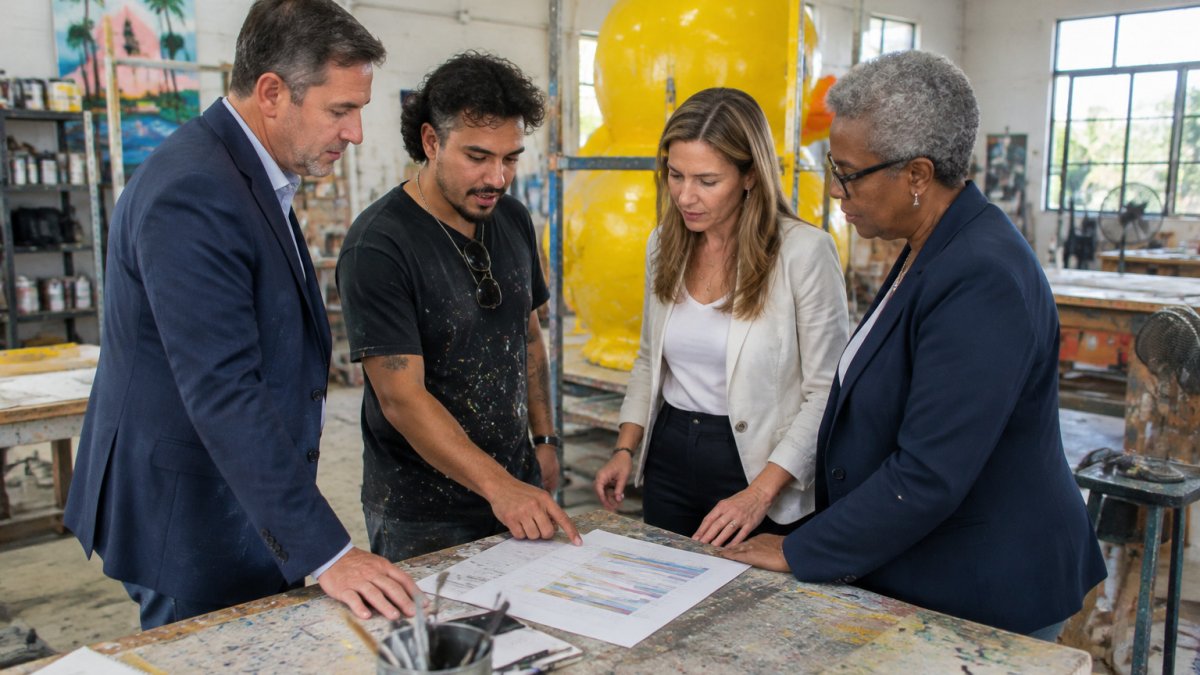
Here is a typical sequence with the dependencies that matter:
- Planning and brief: Four to eight weeks. The brief must be signed off before any call goes out, because changing the brief after artists respond wastes the whole response cycle.
- Call for artists and selection: Six to twelve weeks. Allow extra time if the panel needs a second meeting to resolve a split vote.
- Design development and approval: Four to eight weeks. This is where structural, electrical and accessibility review usually happens, and it is the stage most often underestimated.
- Fabrication: Several months, depending on scale and materials. Fabrication can start only after design approval, but long lead materials can be ordered earlier if the contract allows it.
- Site preparation and installation: Two to six weeks. Site work can run in parallel with fabrication, which is the single biggest schedule saving available.
- Final inspection and handover: One to two weeks. Handover should include as built drawings, maintenance notes and a contact for repairs.
Build in buffer time for revisions and unexpected site issues. To see where the project funds come from and what a project budget covers, review public art budgets alongside the schedule.
The typical stages, with their durations and what each depends on, are summarised below.
| Stage | Typical time | Key dependency |
|---|---|---|
| Planning and brief | Four to eight weeks | Brief signed off before any call goes out |
| Call for artists and selection | Six to twelve weeks | Extra time if the panel needs a second meeting |
| Design development and approval | Four to eight weeks | Structural, electrical and accessibility review |
| Fabrication | Several months | Starts only after design approval |
| Site preparation and installation | Two to six weeks | Can run in parallel with fabrication |
| Final inspection and handover | One to two weeks | As built drawings and maintenance notes |
Planning the Next Step for Your Commission
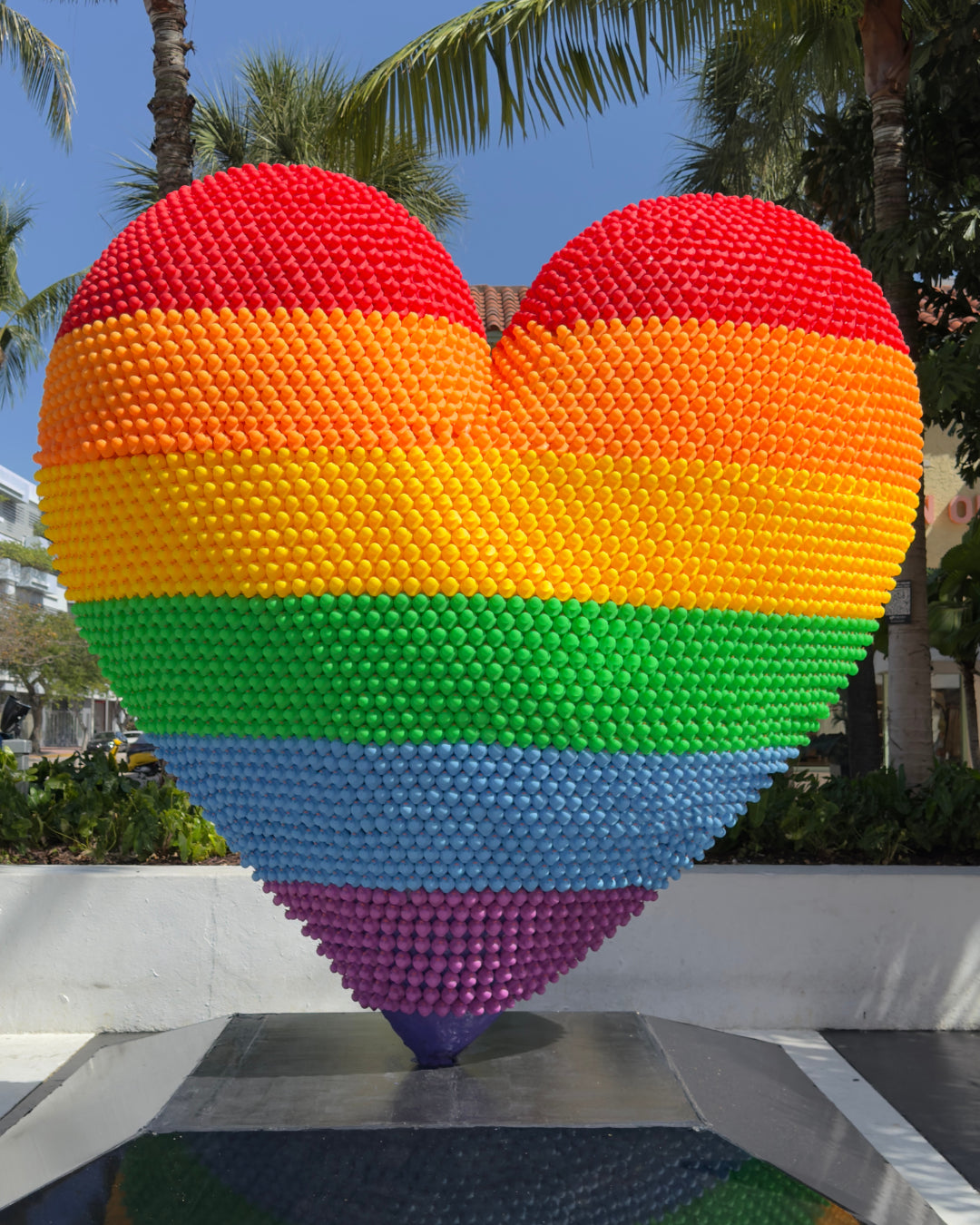
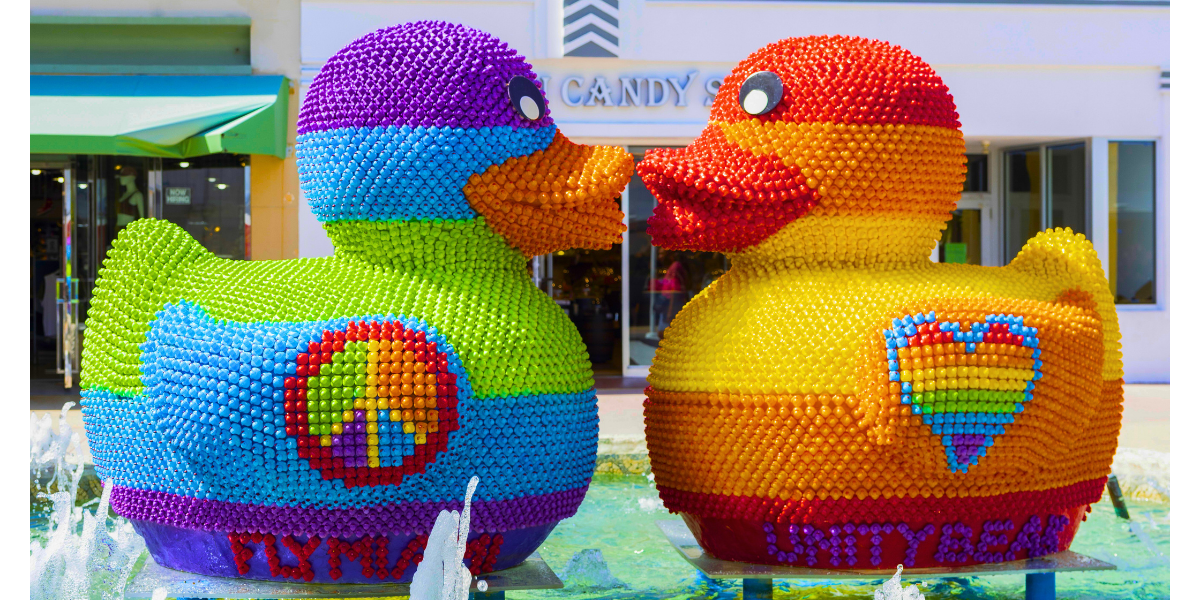
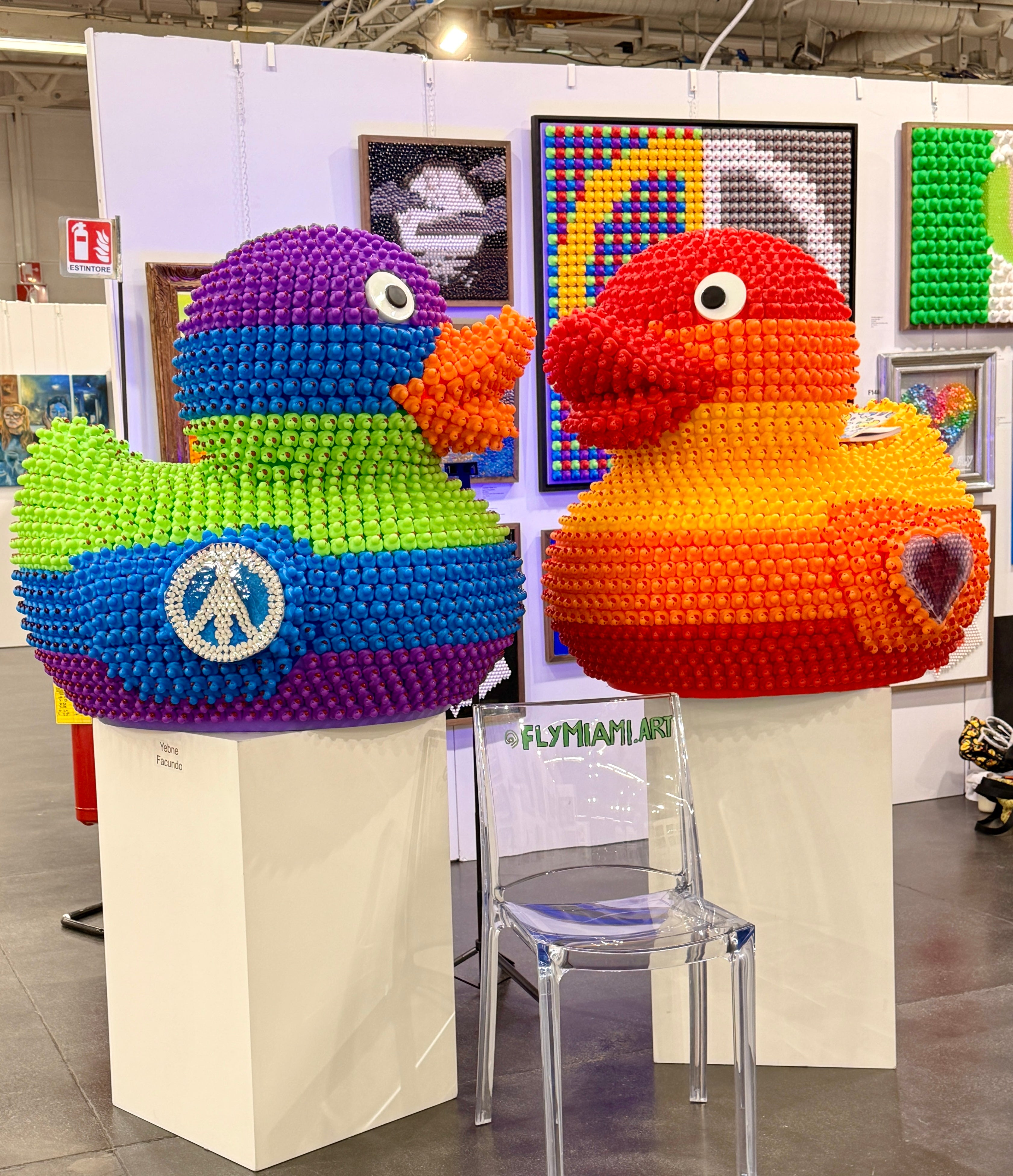
Once your brief and timeline are set, your next step is to shortlist artists and invite proposals. If you are considering a custom piece for a hotel lobby, corporate space or public event, FLY Miami Art can discuss your site, timeline and budget. Browse the Proud Love sculpture, the Unity Beak installation or the UnityBeak Firenze Edition to see how FLY's handmade, UV reactive work reads in a real space, then get in touch to start your brief.
Frequently Asked Questions
How do you commission a public art installation?
Start by defining the goals, site, audience and budget in a written brief. Then choose a commissioning approach, such as an open call, a request for qualifications or a direct invitation to selected artists. Review submissions with a selection panel, agree the design and approvals, and set a timeline for fabrication, permits and installation. Keep each stage documented so the commissioning agency, the artist and any community stakeholders share the same expectations from the start.
What should a public art commission brief include?
A strong brief covers the project goals, the site and its physical constraints, the intended audience, the available budget and funding source, key dates, and the approval process. It should also state the materials and durability requirements, maintenance expectations and any permits that apply. A clear brief lets artists judge whether they can deliver, and it gives the selection panel a fair basis for comparing proposals.
How do you find an artist for a public art project?
Artists are usually found through open calls, request for qualifications, direct invitations or referrals from curators and other commissioned artists. Review portfolios for work of similar scale and material, and check that the artist has experience with fabrication and installation in public spaces. Shortlist a small group, then ask each to submit a concept proposal and a realistic budget so you can compare them on equal terms.
How long does it take to commission and install public art?
Timelines vary with project scale, but a commission often moves through brief writing, artist selection, design development, approvals, fabrication, permitting and installation. Allow time for each approval stage and for any engineering review of a large or elevated work. Building in buffer weeks before a fixed opening date reduces the risk that delays in fabrication or permits affect the installation.