Statement Sculpture Decor Ideas for Bold Interiors
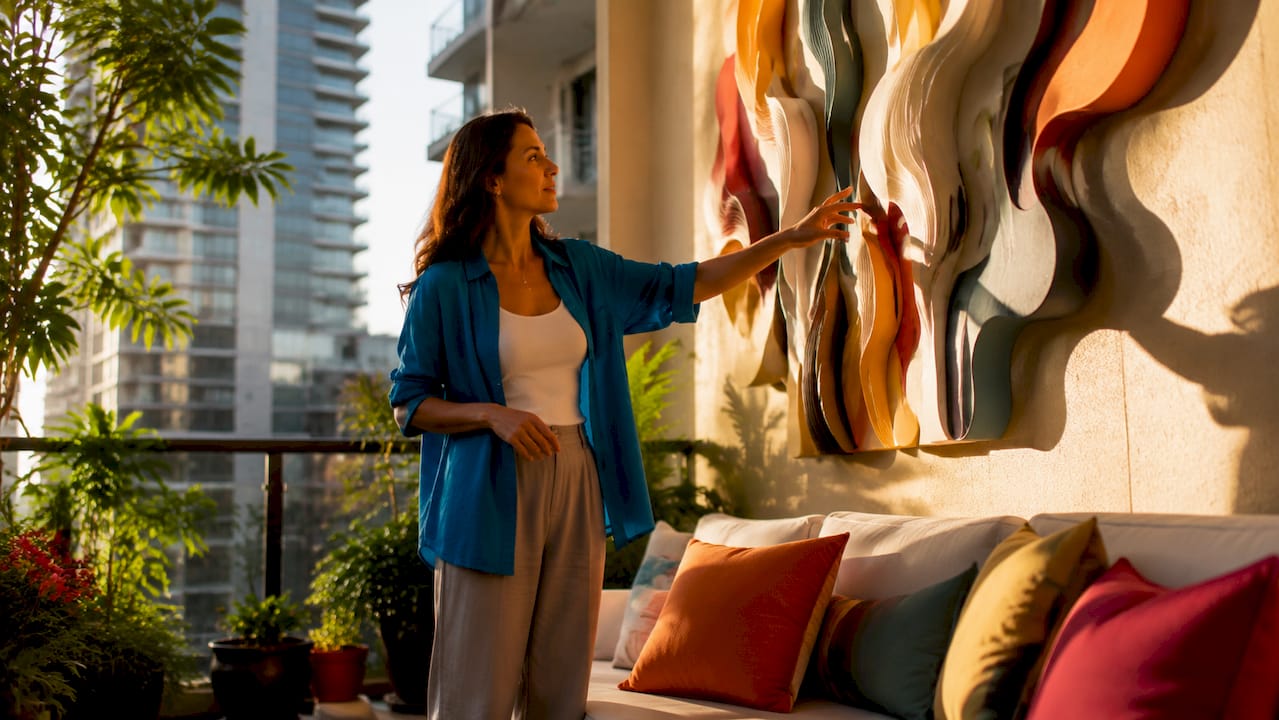
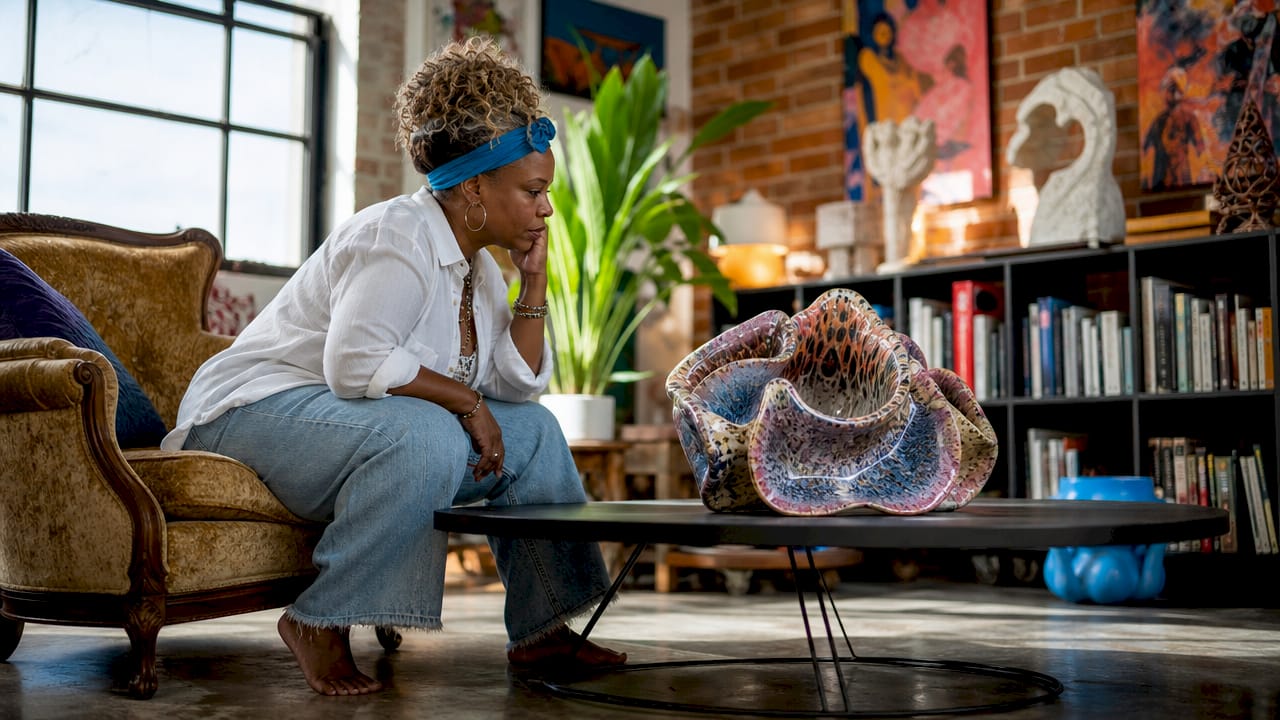
Statement sculpture decor is defined as the use of bold, three-dimensional art objects to create deliberate focal points in a room. Unlike flat artwork, sculptures add physical depth, shadow, and texture that change with light and viewing angle. The right piece acts as a design anchor, giving a room personality that paint colors and furniture alone cannot deliver. Scale, material, placement, and style are the four factors that determine whether a sculpture transforms a space or simply occupies it. This guide covers each factor with specific, practical guidance so you can make confident choices.
1. How to choose the right size and scale for statement sculptures
Scale is the single most common mistake homeowners make with sculptural decor. A piece that is too small reads as an afterthought. A piece that is too large crowds the room and kills the drama you were trying to create.

Designers follow a reliable rule for console table proportion: the sculpture should be roughly one-third the width of the table. For coffee tables, a height of 8–12 inches keeps the piece visible without blocking sightlines across the room. These are not arbitrary numbers. They reflect how the human eye naturally groups objects and perceives balance.
Room type matters just as much as furniture size:
- Entryways: A floor sculpture 24 inches or taller commands attention immediately. Pair it with a console table for a layered, gallery-like entry.
- Living rooms: A tabletop piece 12–18 inches tall works on a credenza or side table. Oversized floor sculptures suit spacious open-plan rooms where a smaller piece would disappear.
- Desks and nightstands: Keep pieces under 10 inches. You want visual weight, not visual noise.
- Shelves: Group one taller sculpture with two shorter objects to create a natural visual triangle.
Pro Tip: In a large, open room with high ceilings, resist the urge to fill space with many small pieces. One sizable sculpture creates more impact than five medium ones scattered around.
The goal is proportion, not size for its own sake. A well-scaled sculpture pulls the eye exactly where you want it.
2. Material and finish choices that create harmony or contrast
Material is the vocabulary of a sculpture. It tells the room whether the piece belongs or deliberately challenges the space around it.
Stone materials like marble, travertine, and alabaster deliver a refined, gallery-like presence. Their natural veining and surface variation mean no two pieces look identical. Ceramic and resin offer more color flexibility and work well in casual or eclectic rooms. Metal finishes, from brushed brass to blackened steel, add an industrial or glamorous edge depending on the finish.
Common material pairings that work:
- Sleek metal on matte surfaces: A polished bronze figure on a raw linen tablecloth creates a tension that feels intentional.
- Glossy ceramic on rough stone: The contrast in surface texture makes both materials read more clearly.
- Marble on wood: A classic pairing. The cool weight of stone against warm grain is timeless.
- Resin in bold color on neutral upholstery: The sculpture becomes the room’s color statement.
Minimalist interiors favor geometric shapes with monochromatic finishes. Eclectic rooms invite layered texture and finish combinations for a collected, lived-in feel. Neither approach is wrong. The key is consistency of intent.
“Material and texture pairing either reinforces a room’s style or creates deliberate visual interest. Both outcomes are valid design choices.”
Pro Tip: Mix two or three different materials across your decor grouping rather than matching everything. A brass sculpture, a ceramic vase, and a woven object together look collected and personal, not staged.
3. Placement strategies that maximize visual impact
Placement determines whether a sculpture gets noticed or ignored. The most common error is placing a piece where it is convenient rather than where it is effective.
Position sculptures at eye level near room focal points. A console table placed directly opposite a front door is the single best location in most homes. Anyone entering the room sees the sculpture immediately. That first impression is the entire point of a statement piece.
Lighting is the factor most homeowners overlook. Side and accent lighting reveal texture and form far better than flat overhead illumination. A directional spotlight or a well-placed table lamp positioned at a 45-degree angle to the sculpture creates shadow and depth that make the piece look alive. Overhead lighting flattens everything.
Placement principles by room:
- Entryway: Center the sculpture on a console table. Keep surrounding decor minimal so the piece reads clearly.
- Living room: Place the sculpture at one end of a sofa table or credenza, balanced by a plant or stack of books at the other end.
- Home office desk: Position a small sculpture at the corner of the desk, at the edge of your natural sightline.
- Bedroom shelf: Use a single sculpture as the anchor of a shelf arrangement. Build around it, not in front of it.
Avoid clustering multiple sculptures together unless you are creating a deliberate gallery grouping. A single well-placed piece with breathing room around it always reads stronger than a crowded arrangement.
4. Unique and bold sculpture decor ideas to express personal style
The most memorable sculptural decor ideas push past safe choices. Abstract forms, organic textures, and culturally resonant objects all carry meaning that generic decorative pieces cannot.
Contemporary artist Ava Roth creates sculptures where honeybees repair broken ceramics, producing Kintsugi-inspired works that celebrate imperfection and collaboration. The result is a piece that evolves over time and carries a story. That kind of narrative depth is what separates a statement sculpture from a decorative object.
Bold color choices work in rooms that feel too safe or neutral:
- Crimson red or deep burgundy: A high-gloss red abstract form in a white room creates an immediate focal point. Jewel tones in sculpture inject vibrance and personality into neutral spaces.
- Matte black geometric forms: These work in both modern and industrial interiors. The absence of color becomes the statement.
- Iridescent or UV-reactive finishes: Flymiami’s pop art sculptures incorporate UV-reactive materials that reveal hidden patterns under blacklight. This creates an immersive experience that changes with the room’s lighting conditions.
- Organic and natural textures: Driftwood forms, raw stone, and unfinished clay surfaces bring the outside in and work beautifully in warm, earthy interiors.
“Sculptures that carry a concept or story give a room something to talk about. A piece with meaning always outperforms a piece that is merely attractive.”
Pro Tip: In a minimalist room, one bold-colored sculpture does more work than a dozen neutral accessories. Let it stand alone and resist the urge to surround it with supporting objects.
Flymiami’s pop art installations demonstrate how sculpture can carry themes of peace, love, and unity at scale. The same principle applies at home. Choose a piece that reflects something you actually believe in, not just something that matches the couch.
5. Comparison of popular statement sculpture types and where to use them
Different sculpture categories suit different rooms, budgets, and design intentions. The table below compares the most common types across the factors that matter most.
| Type | Material | Best placement | Visual impact | Maintenance | Best interior style |
|---|---|---|---|---|---|
| Abstract floor sculpture | Metal, resin | Entryway, living room | Very high | Low | Modern, eclectic |
| Figurative tabletop piece | Marble, ceramic | Console table, shelf | High | Low to medium | Classical, transitional |
| Geometric tabletop form | Stone, metal | Desk, coffee table | Medium to high | Very low | Minimalist, Scandinavian |
| Organic/natural form | Wood, raw stone | Living room, bedroom | Medium | Low | Earthy, bohemian |
| UV-reactive pop art sculpture | Resin, mixed media | Living room, entertainment space | Extremely high | Low | Eclectic, contemporary |
| Ceramic vessel sculpture | Glazed ceramic | Shelf, dining sideboard | Medium | Low | Eclectic, transitional |
Figurative sculptures carry the most immediate emotional recognition. Abstract forms invite interpretation and work better in rooms where you want conversation rather than clarity. Metal sculptures are the most durable and require the least care. Stone pieces are heavy and need stable surfaces but reward you with a presence that lighter materials cannot match.
The UV-reactive category is worth noting separately. Flymiami’s sculpture collection produces pieces that function as standard decor in daylight and transform into immersive art under blacklight. For homeowners who entertain, that dual function is a genuine advantage over static pieces.
Key takeaways
The most effective statement sculpture decor combines deliberate scale selection, material contrast, and precise placement to create a single, powerful focal point rather than scattered decoration.
| Point | Details |
|---|---|
| Scale follows proportion rules | Use the one-third width rule for console tables and keep coffee table pieces at 8–12 inches tall. |
| Material creates mood | Stone reads refined, metal reads bold, ceramic reads casual. Match or contrast with intention. |
| Placement beats quantity | One sculpture at eye level near a focal point outperforms five pieces placed randomly. |
| Lighting reveals the piece | Side and accent lighting show texture and form. Overhead lighting flattens both. |
| Bold choices carry meaning | Sculptures with a concept or story create rooms worth remembering. |
Why one sculpture beats ten decorative objects every time
The conventional advice is to layer accessories and build up a room gradually. I disagree with that approach when it comes to sculpture. Every room I have worked on that felt genuinely alive had one piece that anchored everything else. Not five. Not three. One.
The instinct to add more comes from insecurity about whether a single piece is enough. It always is, provided you choose correctly. A sculpture that is the right scale, placed at eye level, lit from the side, and made from a material that either harmonizes or deliberately contrasts with the room does not need company. It needs space.
The second mistake I see constantly is treating sculpture as the last decision, something you add after the furniture, the rugs, and the paint are done. Flip that process. Choose your statement piece first and build the room around it. That is how the best-designed spaces actually get made.
Flymiami’s approach to sculpture, rooted in themes of peace, love, and unity, reinforces this idea. A piece with genuine meaning changes how a room feels to everyone in it, not just how it photographs. That is the standard worth holding yourself to when you choose your next sculptural decor piece.
— Facundo
Flymiami’s statement sculpture collection
Flymiami creates pop art sculptures that work as genuine design anchors in any interior. Each piece is built to carry visual weight in daylight and reveal a second layer of color and pattern under blacklight, giving collectors a piece that performs differently across lighting conditions.

The statement pieces collection at Flymiami covers a range of scales and styles, from bold tabletop forms to larger works suited for entryways and living rooms. Florence Biennale Award winner Facundo Yebne leads the creative direction, and every piece reflects the studio’s commitment to originality over mass production. Homeowners looking for sculptural decor that goes beyond standard gallery options will find pieces that fit both minimalist and eclectic interiors. Browse the full sculpture catalog to find the piece that anchors your space.
FAQ
What makes a sculpture a “statement piece”?
A statement sculpture is defined by its scale, placement, and visual authority in a room. It functions as the primary focal point rather than a supporting accessory.
How big should a sculpture be for a living room?
Tabletop sculptures for living rooms work best at 12–18 inches tall. Floor sculptures suit larger open-plan spaces where a smaller piece would lose visual presence.
What materials last longest in home decor sculptures?
Marble, travertine, and metal are the most durable sculpture materials for home use. Stone sculptures require stable surfaces due to weight but need minimal maintenance over time.
Where is the best place to put a statement sculpture?
The best placement is at eye level on a console table positioned opposite the room’s main entrance. This location guarantees the piece is seen immediately and creates an instant focal point.
Can bold sculptures work in minimalist interiors?
A single geometric or abstract sculpture in a monochromatic finish is the ideal statement piece for a minimalist room. One well-chosen piece adds depth without disrupting the room’s visual calm.