How to Display Large Scale Art Installations
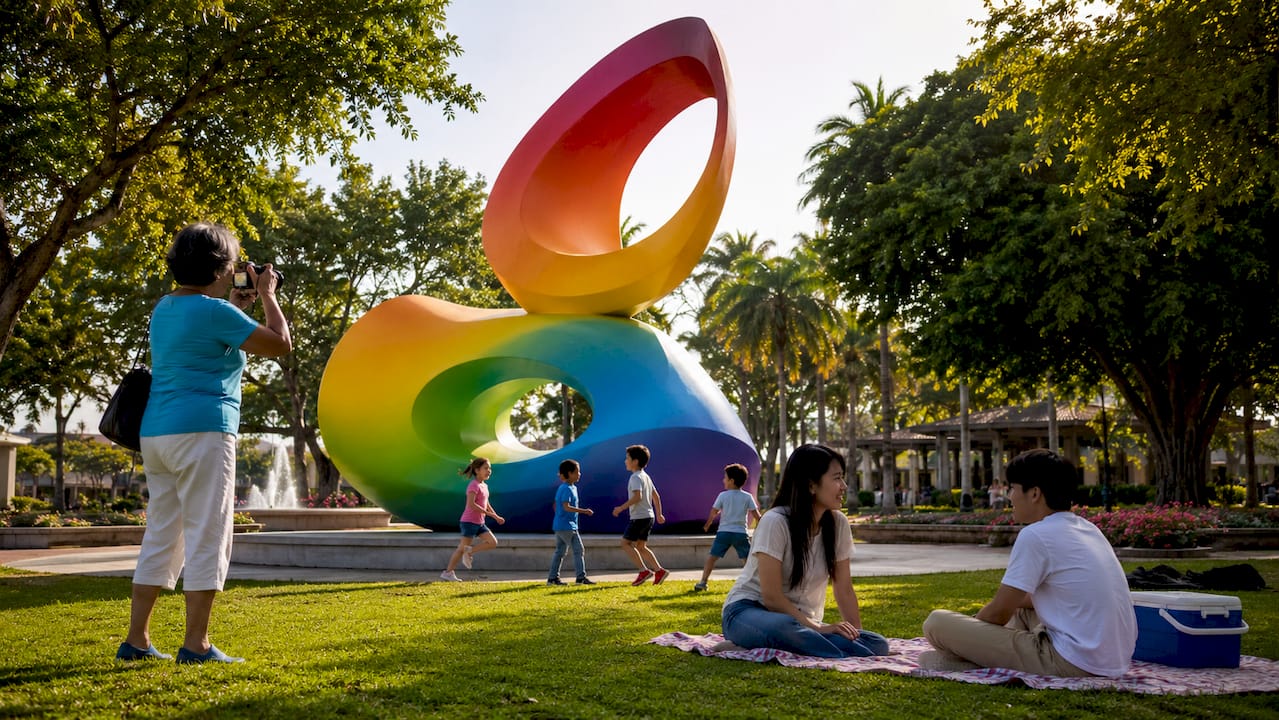
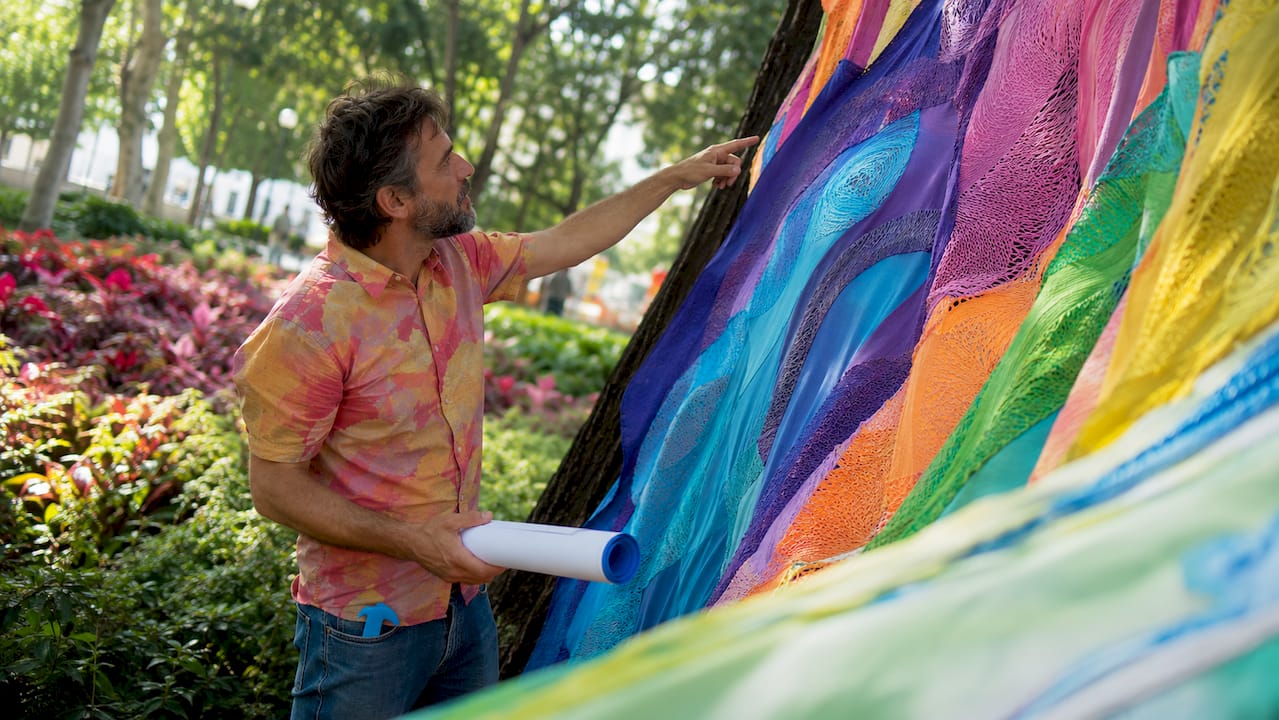
Large-scale art installation is defined as the practice of placing site-specific, often monumental artworks within a space to transform how viewers physically experience that environment. Artists, curators, and urban planners who want to display large scale art installations face a layered challenge: the work must be structurally sound, logistically executable, and emotionally resonant all at once. JR’s 2026 “La Caverne du Pont Neuf” in Paris illustrates the full scope of that challenge. That single project measures 120 meters long, uses 18,900 square meters of fabric, and required more than 800 people to execute. Scale at that level demands a production mindset, not just an artistic one.
How to display large scale art installations: site selection and preparation
The site is not a backdrop. It is a co-author of the work. Every decision about how a large-scale installation reads, feels, and survives depends on where it lives.
Start with four core factors: accessibility for the public and crew, the relationship between the work’s scale and the surrounding architecture, environmental conditions such as wind load and sun exposure, and the natural flow of audience movement through the space. A sculpture that stops foot traffic in a narrow plaza creates a bottleneck. A fabric installation in a wind corridor without proper anchoring becomes a safety hazard within days.
Structural and environmental assessment requires engineers, not guesses. Air-structure engineering partnerships are critical for inflatable and ephemeral installations, where load-bearing capacity and wind resistance must be calculated before a single panel is printed. For permanent or semi-permanent outdoor art displays, soil composition, drainage, and frost depth all affect foundation design.
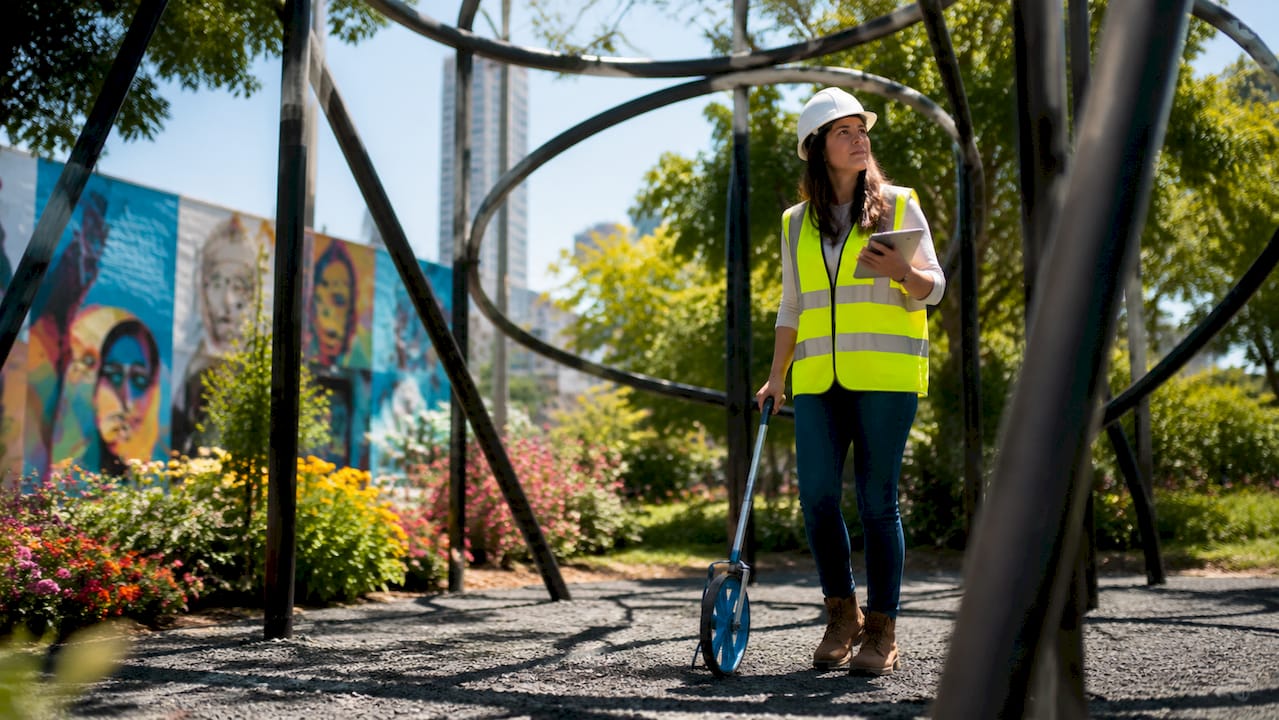
Permits and community engagement run parallel to technical planning, not after it. Urban planners know that public art installations in city spaces often require approvals from multiple agencies: transportation, parks, historic preservation, and sometimes fire safety. Starting that process early, ideally six to twelve months before installation, prevents costly delays.
| Factor | Urban/Public Space | Rural/Private Space |
|---|---|---|
| Permit complexity | High (multiple agencies) | Low to moderate |
| Audience flow control | Requires barriers and signage | Naturally managed by terrain |
| Environmental exposure | Pollution, vibration, foot traffic | Wind, UV, moisture |
| Infrastructure access | Power and water readily available | May require generators |
| Community engagement | Mandatory and ongoing | Optional but recommended |
Pro Tip: Walk the site at the same time of day your installation will be viewed. Light angle, shadow patterns, and crowd density change dramatically between morning and evening, and those conditions will shape how the work reads.
What tools, materials, and technology do large-scale installations require?
Material choice determines longevity, safety, and visual impact. The wrong fabric fades in six weeks. The wrong ink cracks under UV exposure. Getting this right before fabrication saves significant cost and rework.
For fabric-based outdoor art displays, UV-resistant ink printing on high-tensile woven polyester is the industry standard. Organic UV-resistant inks combined with load-bearing structural frames extend the life of outdoor exhibitions through weather cycles. Inflatable structures require sealed seams, pressure-monitoring systems, and fire-retardant coatings when used in public spaces.
Projection-based installations demand serious hardware. The Toronto Star building project used 53 synchronized projectors rated at 12,000–20,000 lumens each, running 10–12 hours per day. That level of output requires 3-Chip DLP laser technology, which delivers color accuracy and brightness that lamp-based systems cannot sustain over long exhibition runs.
For tall vertical surfaces, portrait mode projection maximizes image height and reduces the number of projectors needed. Edge blending software stitches adjacent projector outputs into a single seamless image. Both techniques require precise calibration and should be locked in before the crew arrives on site.
| Category | Option | Best For | Key Consideration |
|---|---|---|---|
| Fabric | UV-resistant woven polyester | Outdoor banners, wraps | Requires UV-resistant ink |
| Structure | Inflatable air frames | Temporary public art | Needs wind load engineering |
| Projection | 3-Chip DLP laser | Digital murals, mapping | High power draw, heat management |
| Sculpture | Powder-coated steel | Permanent outdoor pieces | Foundation depth critical |
| Lighting | UV/blacklight arrays | Interactive indoor work | Pairs with reactive materials |
Pro Tip: Test all projection content at full resolution and full brightness before leaving the studio. Color shifts between a calibrated monitor and a 15,000-lumen projector on a textured wall are significant and non-obvious until you see them live.
How do you plan and manage the installation process for large art displays?
A large-scale installation without a production timeline is a creative idea waiting to become a crisis. The planning phase is where most projects succeed or fail, long before any equipment reaches the site.
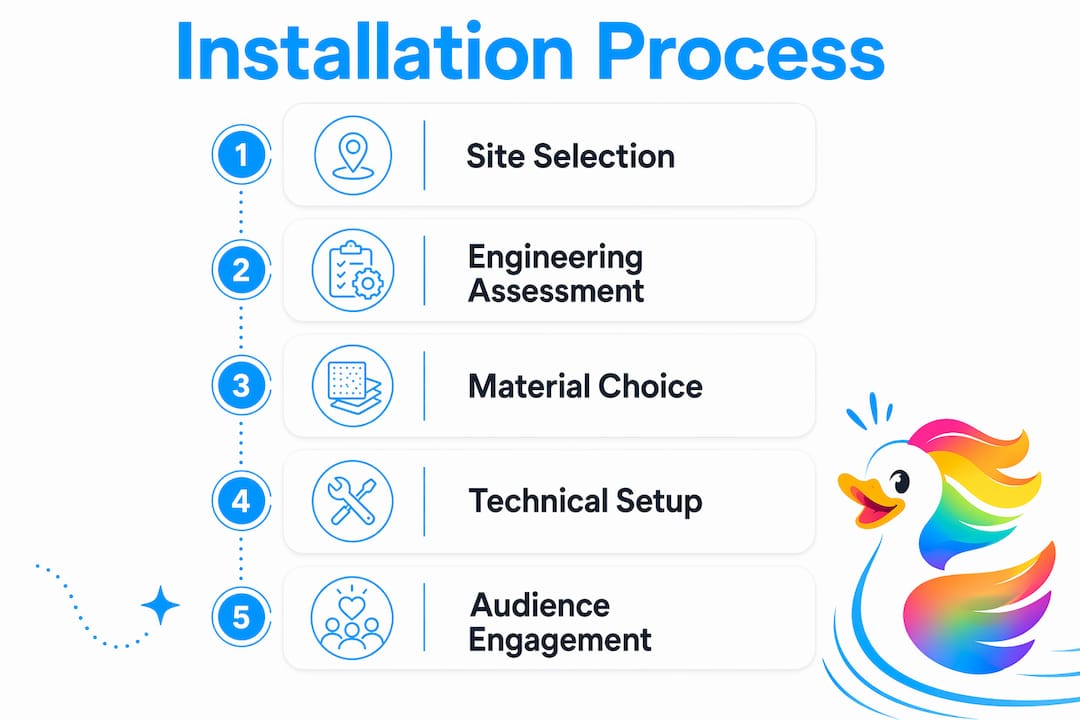
A reliable workflow moves through five phases:
- Design and engineering review. Finalize artwork files, structural drawings, and material specifications. Resolve conflicts between artistic intent and physical constraints at this stage, not on site.
- Fabrication and procurement. Order materials with lead time built in. Fabric printing for a large piece can take three to four weeks. Custom steel fabrication runs longer.
- Off-site rehearsal. Full-scale rehearsals in aircraft hangars or large studios allow crews to test projection blend, shadow mapping, and rigging sequences before the site clock starts ticking.
- Site preparation and installation. Coordinate utility access, traffic management, and crew scheduling. Assign clear roles: artists direct visual decisions, engineers manage structural integrity, and technical crews handle equipment.
- Final staging and opening. Run a full dress rehearsal the night before opening. Identify and fix any remaining issues before the public arrives.
Outdoor exhibitions typically run anywhere from 16 days to 4 months. The 46th Annual Piccolo Spoleto runs 16 days, while exhibitions like “Exposed” in Stowe, Vermont run a full four months. That range means maintenance planning is not optional. Assign a crew member to daily checks of structural connections, power systems, and surface condition.
“The most expensive mistake in large-scale installation is discovering a structural or technical problem on opening day. Build your timeline so that the last 20% of it is buffer, not content.”
Common on-site problems include projector misalignment from overnight temperature shifts, fabric tension loss after rain, and power fluctuations affecting synchronized systems. Each of these has a known fix. The issue is having the crew, tools, and time to apply it.
How does audience engagement shape the impact of public art installations?
Size alone does not create impact. Ralph Rugoff notes that scale is about altering the viewer’s spatial relationship with a work, not simply making something physically large. That distinction changes how curators and artists should approach every design decision.
Designing for human scale means asking how a person’s body moves through and around the work. A sculpture that forces visitors to look up, walk around, or duck under it creates a physical memory. A flat mural at eye level, no matter how large, reads as a picture. The bodily encounter is the experience.
Spatial choreography is the curator’s primary tool for managing that encounter. Ruba Katrib, curator of Art Basel’s Unlimited section, describes designing installation layouts that create dialogue between works. The sequence in which visitors encounter pieces, the sightlines between them, and the pacing of the journey all shape emotional response.
Multidisciplinary programming extends the life and reach of any installation. The National Gallery of Canada’s Qillaniq exhibition integrates film, performance, and community programming to keep the work relevant beyond its physical presence. That model works for any large-scale project: pair the static installation with events, guided tours, or digital extensions that bring new audiences in after opening week.
For interactive art installations, touch, sound, and light response mechanisms give visitors agency within the work. That agency converts passive viewers into participants, which dramatically increases time spent with the piece and likelihood of social sharing.
Pro Tip: Map your visitor’s journey on paper before finalizing the installation layout. Identify the first view, the reveal moment, and the exit experience. Those three points carry the most emotional weight and deserve the most deliberate design attention.
Key takeaways
Displaying large-scale art installations successfully requires coordinating site engineering, material selection, production timelines, and audience experience design as a unified system, not as separate tasks.
| Point | Details |
|---|---|
| Site selection drives everything | Assess structural, environmental, and permit requirements before finalizing any design. |
| Material and tech choices determine longevity | UV-resistant inks, laser projection, and engineered structures prevent costly failures during exhibition runs. |
| Off-site rehearsal is non-negotiable | Full-scale testing in hangars or studios catches projection and rigging problems before they become opening-day crises. |
| Scale is spatial, not just physical | Design for how bodies move through the work, not just how large it appears from a distance. |
| Multidisciplinary programming extends impact | Integrating performance, film, and community events keeps installations relevant beyond the opening week. |
What I’ve learned from working at monumental scale
The conversation about large-scale installation art tends to focus on spectacle. How big, how many projectors, how many people. I understand the appeal of those numbers. But after years of working on projects where the physical scale was genuinely extreme, I’ve come to believe that the most important decisions happen at human scale.
The works that stay with people are the ones that made them feel something specific in their body. Not awe at a number, but a real physical shift. That happens when the spatial design is intentional, when the material has integrity, and when the content has something to say beyond “look how large this is.”
For artists and curators entering this space, my honest recommendation is to resist the pressure to maximize scale before you’ve mastered spatial experience. A well-placed public sculpture that forces a genuine encounter will outlast a massive installation that people photograph and forget. Work with engineers early, test everything off-site, and design the visitor’s journey before you design the object. The logistics will always be harder than you expect. The impact, when you get it right, is worth every difficult day.
— Facundo
Art and sculpture collections to inspire your next large-scale project
Artists and curators planning their next large-scale project often find that studying smaller, finished works sharpens their instincts for scale, color, and material. Flymiami’s collections offer exactly that kind of reference point.
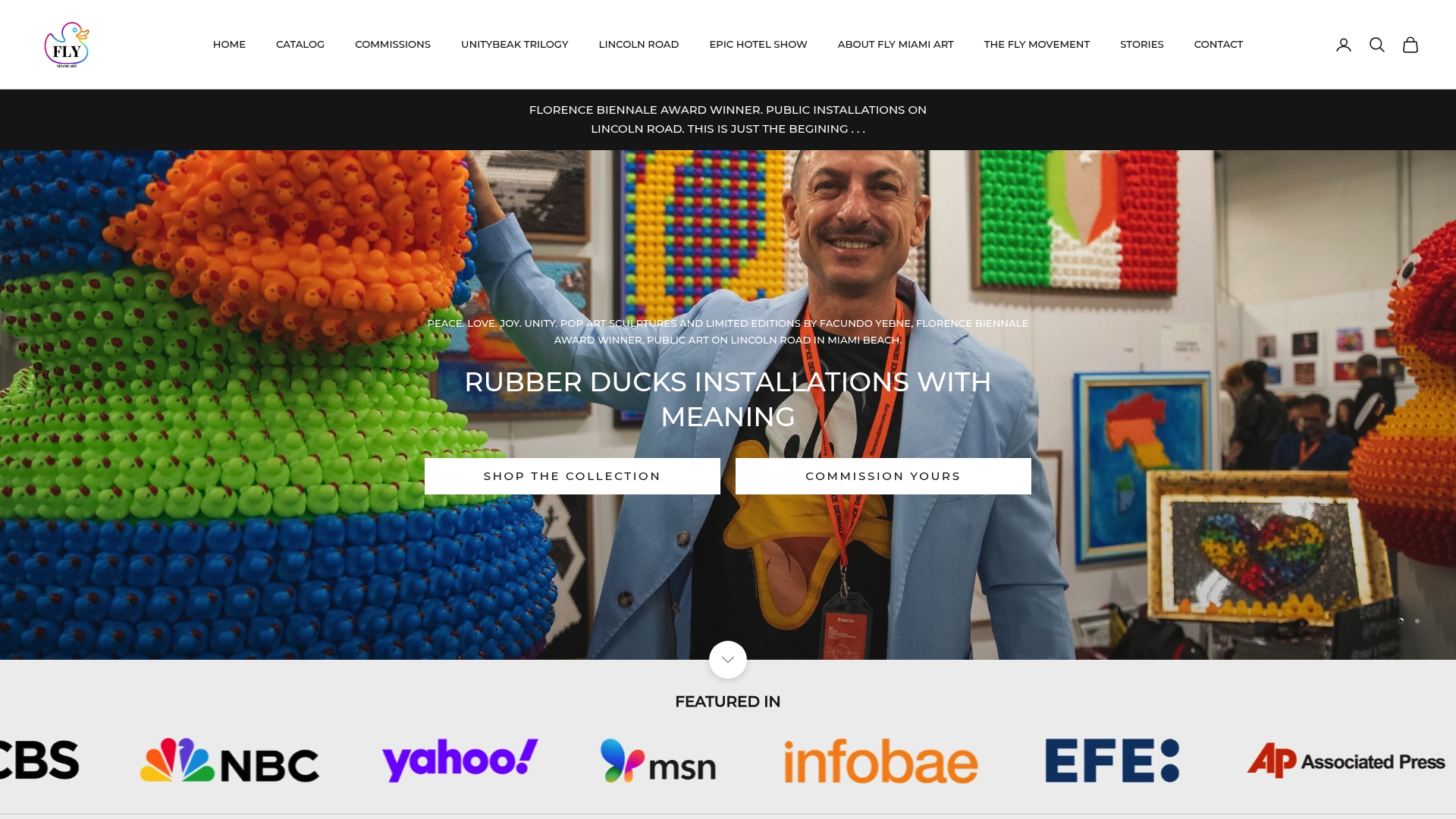
Flymiami, led by Florence Biennale Award winner Facundo Yebne, creates pop art sculptures and UV-reactive wall art that demonstrate how immersive material choices translate across scales. The wall art collection includes pieces that use blacklight-reactive materials to reveal hidden layers of color and pattern, a technique directly applicable to large-scale display environments. For curators sourcing statement pieces or artists seeking material inspiration, the sculpture collection provides a strong starting point for thinking through form, finish, and spatial presence.
FAQ
What is a large-scale art installation?
A large-scale art installation is a site-specific artwork designed to transform a space and alter the viewer’s physical relationship with their environment. Scale refers to spatial impact, not just physical size.
How long does it take to install a large public artwork?
Installation timelines vary widely depending on complexity. Simple outdoor sculptures may take days, while fabric or projection-based works for major exhibitions can require weeks of on-site setup after months of off-site preparation.
What permits are needed for outdoor art displays?
Outdoor art displays in public spaces typically require approvals from parks, transportation, and sometimes historic preservation agencies. Starting the permit process six to twelve months before installation is standard practice for urban sites.
How do projection-based installations stay bright outdoors?
High-lumen laser projectors rated at 12,000–20,000 lumens, using 3-Chip DLP technology, deliver the brightness needed for outdoor or large-venue projection. Multiple synchronized units cover large surfaces without brightness loss.
What makes a large-scale installation engaging for audiences?
Effective large-scale art engages bodily experience through spatial choreography, physical encounter, and multidisciplinary programming. Size alone does not create lasting impact. The visitor’s journey through the work does.