Types of Sculptural Art for Design Projects in 2026
Sculptural art is defined by how a three-dimensional form occupies, divides, and interacts with space. The types of sculptural art for design projects range from classical freestanding forms and architectural relief to kinetic installations that respond to human presence. Designers working in 2026 have access to a wider toolkit than ever before, spanning traditional carving and casting, digital 3D fabrication, and bio-material construction. Understanding the core spatial categories and production methods is the fastest way to match the right sculptural form to a project’s visual and functional goals.
1. What are the four basic spatial types of sculpture?
Sculpture classification divides into four primary spatial types: Freestanding, Relief, Open Form, and Closed Form. These categories define how a piece occupies space and how viewers engage with it. Every design decision about placement, lighting, and scale flows from this foundation.
Freestanding sculpture is fully three-dimensional and viewable from all sides. It works best as a focal point in open spaces, gardens, lobbies, and public plazas. The viewer’s relationship with the piece changes as they move around it, which makes freestanding work ideal for high-traffic design environments.
Relief sculpture attaches to a background surface and projects outward to varying degrees. Bas-relief sits nearly flat, alto-relief projects significantly, and sunken relief cuts into the surface. Architects and interior designers use relief for wall panels, facade decoration, and branded environments where depth and texture matter without consuming floor space.
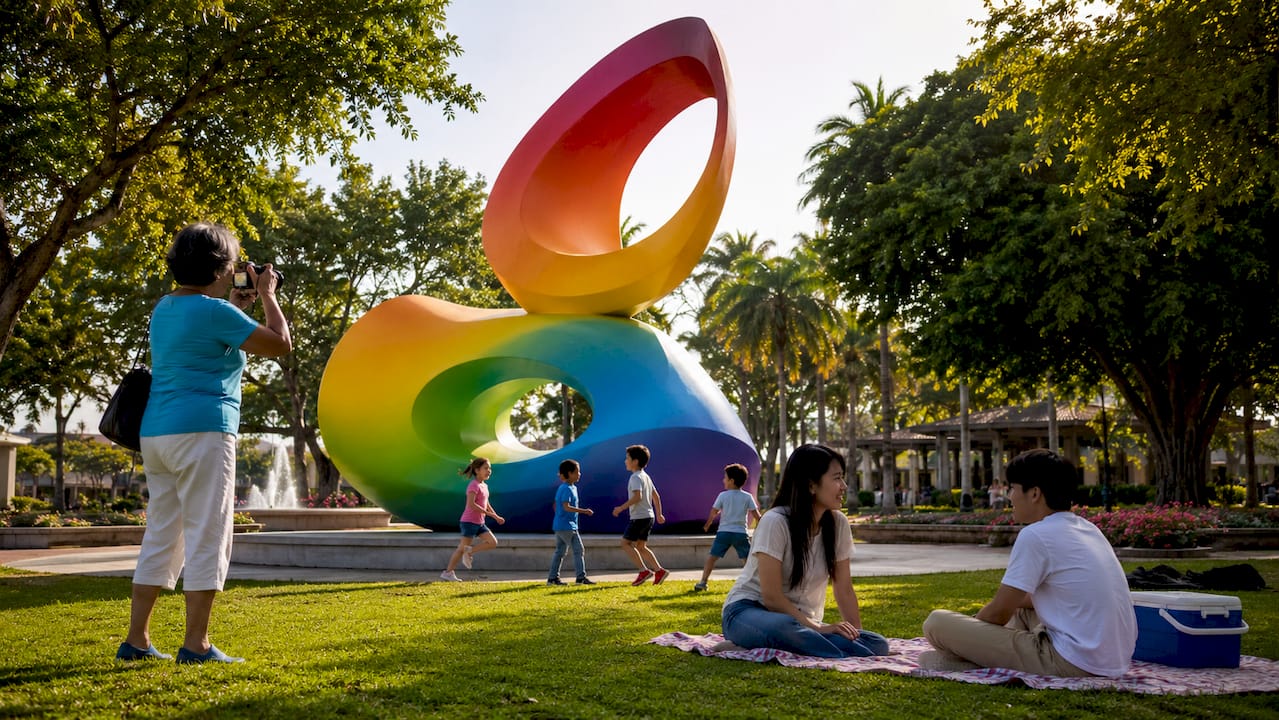
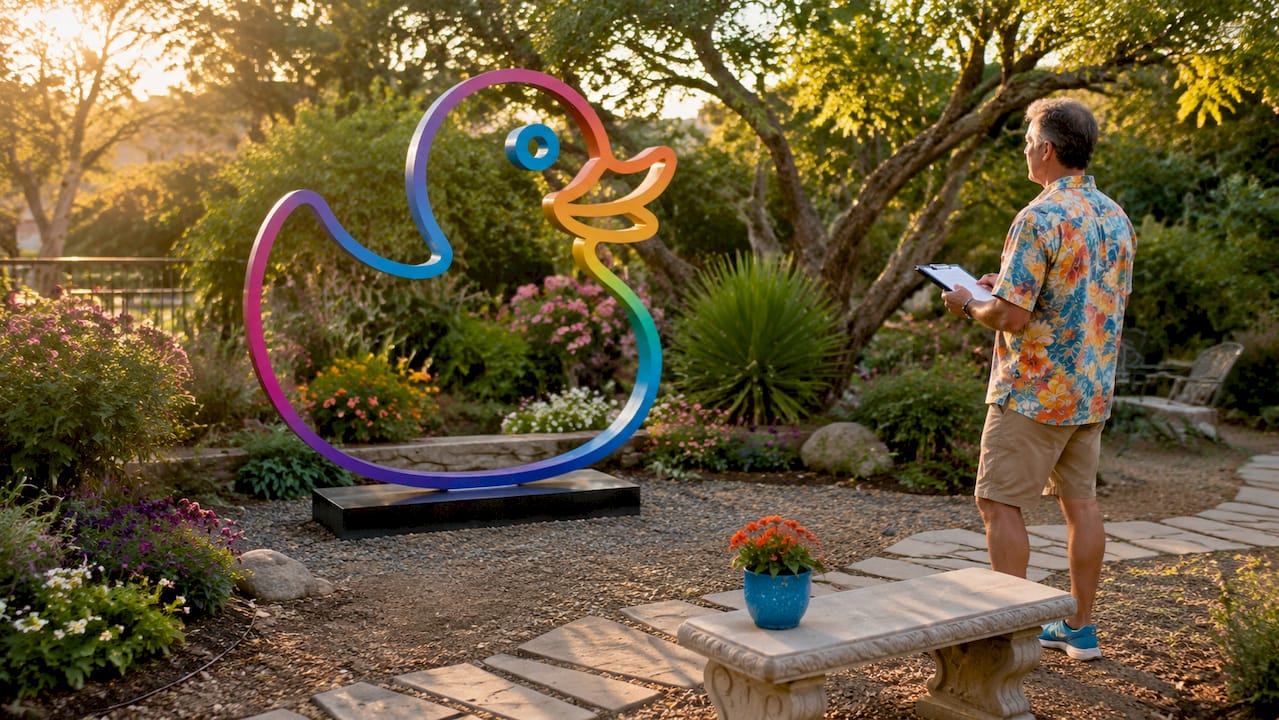
Open form sculpture allows space to flow through the piece itself. Negative space becomes part of the composition, creating visual lightness and a sense of movement. This approach suits abstract and kinetic works where the goal is balance rather than mass.
Closed form sculpture presents a solid, compact mass with no penetrating voids. Classical realism and symbolic commemorative pieces typically use closed form because the density communicates permanence and weight.
| Spatial type | Viewing angle | Best use in design |
|---|---|---|
| Freestanding | 360 degrees | Lobbies, gardens, public plazas |
| Relief | Front-facing | Wall panels, facades, branded interiors |
| Open form | Multiple angles | Abstract, kinetic, and light-focused work |
| Closed form | Multiple angles | Classical, symbolic, and commemorative pieces |
Pro Tip: Mix open and closed forms within the same installation to create visual contrast. A solid closed-form anchor piece paired with an open-form companion draws the eye through the space rather than stopping it in one spot.
2. Which production techniques define sculptural art?
Core sculptural production techniques are Carving, Modeling, Casting, Assembling, and digital 3D sculpting. Each method shapes the final piece differently in terms of material, texture, cost, and scale. Choosing the right technique early saves significant time and budget downstream.
Here is how each method works in practice:
- Carving (subtractive): Material is removed from a solid block of wood, stone, or marble. The process is labor-intensive but produces surfaces with unmatched tactile richness. Best for one-of-a-kind pieces where natural material variation is part of the design intent.
- Modeling (additive): Clay, wax, or polymer is built up gradually. Modeling is the fastest way to prototype a form before committing to a permanent material. Many designers use clay models to test proportions before moving to casting.
- Casting (reproductive): A mold is created and filled with bronze, resin, or concrete. Casting allows multiple identical pieces from a single master, which suits large-scale public art programs or branded installations requiring consistent output.
- Assembling (constructive): Materials are joined together, often from found or industrial sources. Mixed-media assemblage suits projects where narrative and texture matter as much as form.
- Digital 3D sculpting: Software-based design is paired with CNC milling or 3D printing for physical fabrication. Blending digital manufacturing with traditional casting integrates high-tech precision with durable finishing, giving designers control over geometry that hand tools cannot achieve.
Pro Tip: Match your fabrication method to your project’s durability requirements before selecting materials. Outdoor public installations need casting or CNC-milled stone. Interior gallery pieces can use modeling or digital fabrication without weatherproofing concerns.
3. How kinetic and interactive sculpture types enhance design projects
Interactive and kinetic sculptures increasingly feature in urban design, improving placemaking by responding dynamically to environmental or human inputs. These sculpture types move beyond static decoration. They create experiences that change with the viewer, the time of day, or the surrounding environment.
Kinetic sculpture uses wind, water, motors, or magnetic fields to generate movement. The movement itself becomes the artwork. Alexander Calder’s hanging mobiles are the textbook example, but contemporary kinetic work now incorporates servo motors and programmable motion sequences.
Interactive sculpture invites direct human participation. Sensors, touch surfaces, and responsive lighting systems allow viewers to alter the piece in real time. The What We Weave installation in Atlanta uses LED lighting synced to vocal pitch, so the sculpture literally changes color and pattern based on the sounds people make around it. That level of engagement turns a passive viewer into an active participant.
“The most memorable public art is the kind that makes you feel like you changed something just by being there.” This principle drives the growing adoption of interactive forms in hospitality, retail, and civic design.
Technical considerations for kinetic and interactive work include:
- Multidisciplinary collaboration between artists, engineers, and lighting designers
- Power supply planning and weatherproofing for outdoor installations
- Sensor calibration and software maintenance schedules
- Structural integrity and mounting hardware for pieces that invite physical contact
These requirements add complexity, but the payoff in visitor engagement and media coverage is substantial for entertainment venues and public spaces. For event-focused environments, interactive sculpture in entertainment spaces creates memorable moments that static art simply cannot match.
4. Stylistic categories and scale considerations for design projects
Sculptural style and scale are separate decisions, but they interact directly. A minimalist abstract form reads very differently at 12 inches versus 12 feet. Getting both right requires understanding what each stylistic category communicates and how scale amplifies or softens that message.
The three most applied stylistic categories in contemporary design projects are classical realism, abstract, and minimalist. Classical realism uses accurate human or natural proportions and suits heritage, hospitality, and civic contexts. Abstract sculpture prioritizes form, color, and texture over recognizable subjects, making it versatile across commercial and residential interiors. Minimalist sculpture strips away ornamentation to focus on geometry and material quality, which works well in modern architectural environments where the space itself is part of the design.
Scale determines spatial impact. Small-scale pieces (under 24 inches) work as accent objects on shelves, desks, and display cases. Large-scale pieces (3–8 feet) function as room anchors and conversation points. Monumental sculptures function as visual anchors for urban spaces and combine industrial materials with simplified forms. Ferdi B Dick’s mirror-polished stainless steel whale in Zhanjiang demonstrates how a single monumental piece can define an entire district’s identity.
| Style | Visual character | Recommended design context |
|---|---|---|
| Classical realism | Detailed, figurative | Heritage, hospitality, civic |
| Abstract | Form and texture focused | Commercial, gallery, residential |
| Minimalist | Geometric, material-led | Modern architecture, corporate |
| Pop art | Bold color, cultural reference | Retail, entertainment, hospitality |
Pro Tip: Match the sculpture’s style to the site’s existing visual language before considering scale. A bold pop art piece in a minimalist lobby creates intentional tension. The same piece in a maximalist retail environment disappears into the noise.
5. How modern materials and techniques transform traditional sculpture types
Material innovation trends include bio-based materials and hybrid manufacturing, integrating responsive components that evolve over time. These developments give designers access to sculptural forms that were physically impossible a decade ago.
Key material and technique advances shaping design project sculptures today:
- Mycelium and bioceramics: These organic materials grow or cure into structural forms. Mycelium and bioceramics can be integrated into kinetic sculpture frameworks to produce art that evolves or responds dynamically to its environment. The result is a piece that literally changes over its lifespan.
- Mirror-polished metals: Stainless steel and chrome-finished aluminum reflect and distort the surrounding environment, making the sculpture’s appearance shift with lighting conditions and viewer position.
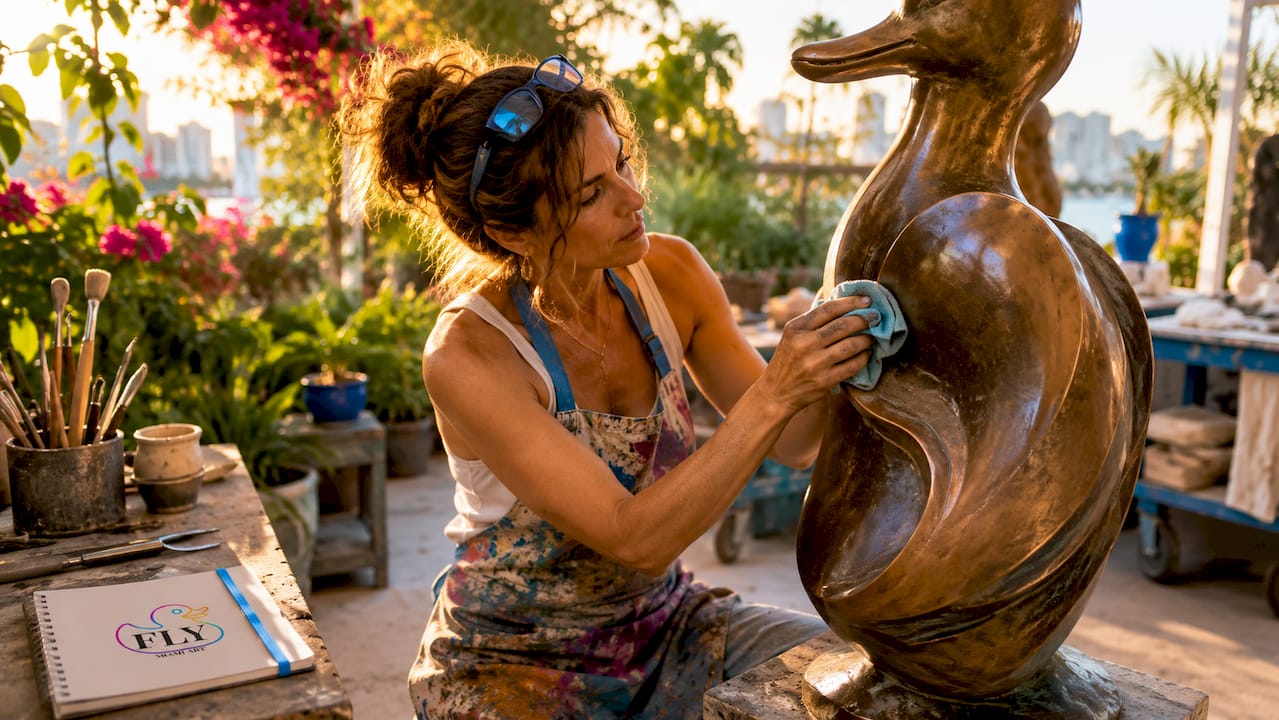
- UV-reactive materials: Pigments and coatings that respond to blacklight add a hidden layer to a sculpture’s visual identity. Flymiami’s handcrafted pop art sculptures use UV-reactive materials to reveal hidden patterns and colors under blacklight, creating an immersive experience that standard gallery lighting cannot replicate.
- CNC-milled composites: Computer-controlled milling produces surface geometries with tolerances that hand carving cannot match. Designers use CNC composites for large-scale architectural installations where precision and repeatability are non-negotiable.
The main challenge with these materials is sourcing and fabrication lead time. Bio-based materials require specialized suppliers. UV-reactive coatings need controlled application environments. The advantage is a final piece that carries a story about its own making, which resonates strongly with collectors and design-conscious clients. Explore the studio production process at Flymiami to see how handcrafted techniques combine with material innovation in practice.
Pro Tip: Request material samples and UV light tests before approving a final sculpture for installation. What looks flat under gallery lighting can transform completely under blacklight, and that transformation should be part of the design plan, not a surprise.
Key takeaways
Sculpture types are flexible spatial tools, and the most effective design projects use them in combination rather than isolation.
| Point | Details |
|---|---|
| Four spatial types are foundational | Freestanding, Relief, Open Form, and Closed Form define how every sculpture occupies space. |
| Production method shapes outcome | Carving, casting, and digital fabrication each produce different textures, scales, and durability levels. |
| Kinetic and interactive forms drive engagement | Movement and sensor-based response turn passive viewers into active participants. |
| Scale and style must align with site | Monumental pieces anchor urban spaces; small-scale works accent interiors without competing with architecture. |
| Modern materials add hidden dimensions | UV-reactive coatings and bio-based materials create sculptures that change with light and time. |
My take on choosing sculptural types for serious design work
I have spent years working with sculptural form as a primary design language, and the biggest mistake I see designers make is treating sculpture categories as a checklist. They pick “freestanding” or “abstract” and stop there. The real power comes from understanding how forms talk to each other within a space.
Open and closed forms create a conversation when placed together. A dense, closed-form piece grounds a corner while an open-form piece nearby lets the eye breathe and move. That tension is what makes a space feel considered rather than decorated.
The shift toward interactive and UV-reactive work is not a trend. It is a permanent change in what clients and visitors expect from art in designed environments. People want to feel something shift when they engage with a piece. Static decoration no longer carries that weight in hospitality, retail, or public spaces.
My strongest recommendation is to bring fabricators into the conversation at the concept stage, not after the design is locked. Weight distribution and mounting hardware are critical for large-scale interactive sculptures, and those decisions affect the final form. A piece designed without that input often gets compromised during installation. Early collaboration protects the artistic intent and the structural outcome.
— Facundo
Flymiami’s sculpture collection for your next design project
Designers and artists looking for sculptural pieces that go beyond conventional gallery work will find a focused collection at Flymiami. Every piece is handcrafted by award-winning artist Facundo Yebne and built around the intersection of pop art, meaningful themes, and UV-reactive material innovation.
The sculpture collection includes freestanding statement pieces that function as room anchors in hospitality, residential, and commercial environments. For designers who need wall-based sculptural elements, the wall art collection offers relief-style works that carry the same UV-reactive depth. Each piece is a one-of-a-kind work built for collectors and design professionals who want art that performs differently under every lighting condition. Browse the full range to find the right sculptural form for your current project.
FAQ
What are the main types of sculptural art for design projects?
The four foundational spatial types are Freestanding, Relief, Open Form, and Closed Form. Designers also work with kinetic, interactive, and installation-based forms for projects that require movement or sensory engagement.
Which sculptural technique is best for large-scale outdoor installations?
Casting in bronze or concrete and CNC-milled stone are the most durable options for outdoor large-scale work. Both withstand weathering and allow the structural engineering needed for safe public installation.
How does UV-reactive sculpture work in a design context?
UV-reactive sculptures use pigments or coatings that respond to blacklight, revealing hidden colors and patterns not visible under standard lighting. This creates a dual visual identity that works across different lighting environments in hospitality and entertainment spaces.
What is the difference between kinetic and interactive sculpture?
Kinetic sculpture moves on its own through wind, motors, or environmental forces. Interactive sculpture responds specifically to human input, such as touch, sound, or proximity, making the viewer part of the artwork’s behavior.
How do I match sculpture style to a design project?
Designers should employ sculptural types as adaptable tools rather than fixed categories, tailoring form and style to the site’s existing visual language and the client’s intended spatial effect.