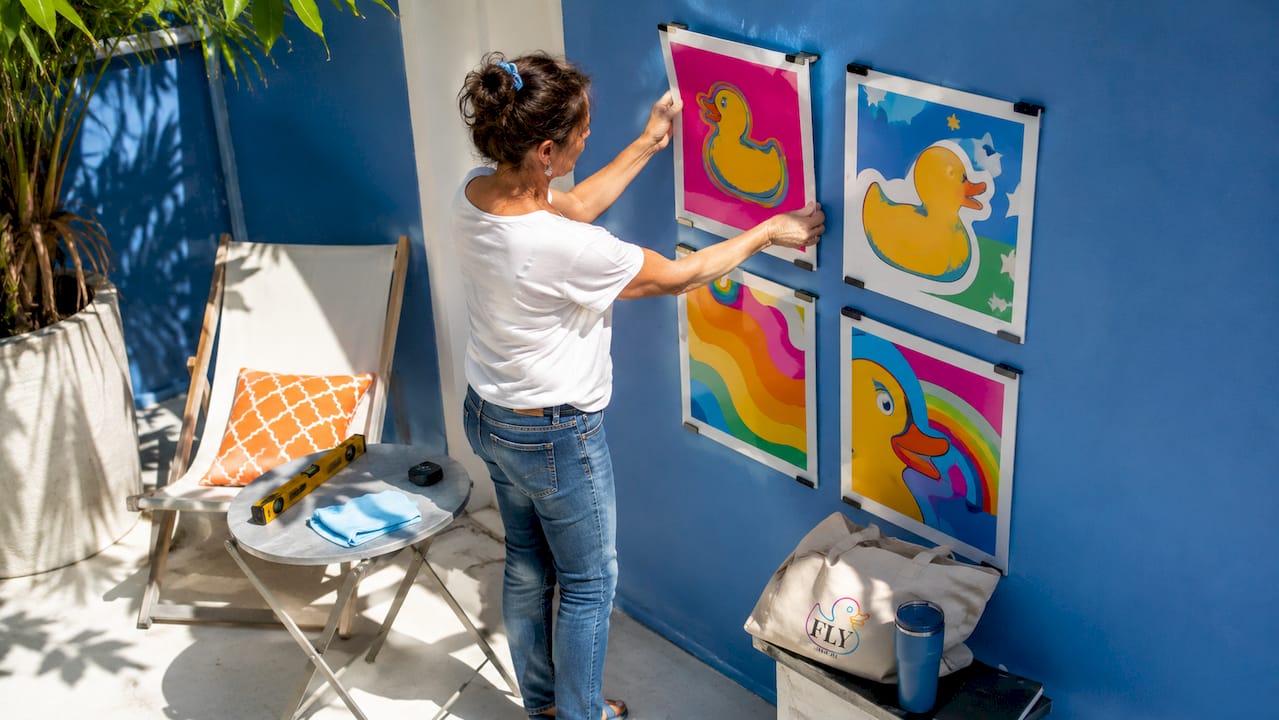
Pop Art Movements Worth Collecting: 2026 Guide
Pop art movements worth collecting are defined by lasting cultural impact, institutional validation, and proven market resilience. The genre, formally known as Popular Art, emerged in the mid-20th century as a direct response to Abstract Expressionism, pulling imagery from advertising, comic books, and mass media. Blue-chip Pop Art anchored by Warhol, Lichtenstein, and Haring remains the most resilient segment, with institutional backing creating price stability even during soft market years. Collectors who understand the difference between movements, series, and condition grades hold a decisive advantage over those who buy on aesthetics alone.
1. Pop art movements worth collecting: American Pop Art
American Pop Art is the most collected movement in the genre’s history. It emerged in the 1950s–1960s with Warhol’s Marilyn screenprints and Campbell’s Soup Cans translating mass-media icons into fine art objects. Roy Lichtenstein followed with bold Ben-Day dot compositions pulled from comic strips. Keith Haring added street-derived iconography that crossed gallery walls and public spaces with equal authority.

For collectors, the American movement offers the deepest secondary market and the clearest price history. That depth means you can research comparable sales, track colorway rarity, and assess edition sizes before committing capital.
Key reasons American Pop Art leads collector demand:
- Warhol screenprints: Colorway rarity and paper condition drive significant price differences across otherwise identical editions.
- Lichtenstein series: The Nudes series consistently outperforms later architectural works at auction, making series selection as important as artist selection.
- Haring editions: Limited print runs tied to specific campaigns command premiums over open editions.
- Institutional presence: Museum acquisitions of American Pop Art remove supply from the public market, pushing prices higher over time.
Pro Tip: When evaluating a Warhol print, check the paper margins first. Even slight trimming permanently reduces value and is one of the most common pop art valuation mistakes buyers make at auction.
2. British Pop Art and its unique collecting considerations
British Pop Art is characterized by a more academic and conceptual approach than its American counterpart. British Pop Art often engages with art history and theory, producing works that reward collectors who understand the intellectual references embedded in the imagery. Artists like Richard Hamilton, Peter Blake, and Eduardo Paolozzi shaped this movement from the mid-1950s onward, working through the Independent Group in London.
The collector base for British Pop Art is smaller but highly specialized. That specialization creates niche auction records and occasional undervaluation for collectors who do their research.
Distinguishing features for collectors:
- Conceptual layering: British works reference art history directly, which gives them staying power in academic and museum contexts.
- Auction market: Notable records exist for Hamilton and Blake, but the market is thinner than American Pop Art, meaning liquidity requires patience.
- Price entry points: British Pop Art often offers lower entry prices than equivalent American works, which suits collectors building a focused collection strategy across multiple movements.
- Condition standards: Paper-based works from this era require the same rigorous condition assessment as American prints, with humidity and light exposure being primary concerns.
The academic depth of British Pop Art makes it a strong complement to American holdings. A collection that spans both movements tells a more complete story of the genre’s global reach.
3. Contemporary and emerging pop art movements to watch
Contemporary pop artists like KAWS and Takashi Murakami draw from traditional pop art while incorporating digital media and social commentary. Their work appeals to a younger collector base and commands serious auction prices. KAWS figures and Murakami’s Superflat prints now appear regularly at major auction houses alongside Warhol and Lichtenstein lots.
The contemporary segment offers diversification that blue-chip vintage works cannot provide. Prices span a wide range, from accessible open editions to limited sculptures that trade in the six figures. That range lets collectors at different budget levels participate in the same movement.
Key considerations for contemporary pop art:
- Cultural relevance: KAWS and Murakami engage with streetwear, animation, and digital culture, giving their work broad audience recognition.
- Edition transparency: Contemporary artists typically publish clear edition sizes. Verify edition numbers and certificates before purchasing.
- Emerging voices: Artists working in UV-reactive media, mixed materials, and sculpture extend pop art’s visual language into new territory. Flymiami’s award-winning artist Facundo Yebne represents this direction, creating handcrafted UV-reactive sculptures that reveal hidden patterns under blacklight.
- Price tier strategy: Pair one established contemporary name with two emerging artists to balance risk and upside.
Pro Tip: Do not treat contemporary pop art as a separate category from classic movements. A collection that runs from Warhol through KAWS to emerging UV-reactive sculptors demonstrates both depth and forward thinking, which matters to future buyers.
4. How to evaluate pop art collectibles: series, condition, and authenticity
Series-driven valuation is the single most misunderstood concept in pop art collecting. Lichtenstein’s Nudes series outperforms his later architectural series, and the Warhol market shows clear price discrepancies based on colorway rarity and paper condition. Buying the right artist but the wrong series is one of the most common pop art collecting mistakes.
Condition assessment requires medium-specific knowledge. Paper prints and enamel-on-steel editions fail in completely different ways.
Evaluation checklist for collectors:
- Paper prints: Check for margin trimming, foxing, color fading, and any signs of previous mounting. Trimmed margins are irreversible.
- Enamel-on-steel editions: Hairline fractures and enamel lifting reduce value permanently. Unlike paper, enamel damage cannot be restored.
- Provenance: Exhibition history and documented ownership chains add value and reduce authentication risk.
- Catalogue raisonné: A catalogue raisonné entry confirms a work’s existence in the scholarly record. It does not guarantee authenticity. The Lichtenstein Foundation explicitly disclaims any warranty of authenticity in its records.
- Professional condition reports: Commission an independent condition report before any significant purchase. The cost is minor relative to the protection it provides.
Pro Tip: Always request a UV light inspection for paper-based pop art prints. Restorations and paper repairs that are invisible under normal light show clearly under ultraviolet examination.
5. Strategies for building a resilient, valuable pop art collection
Smart collectors diversify across generations and price tiers to create layered collections that add depth and manage risk. A collection built entirely on blue-chip vintage prints is expensive to assemble and slow to adjust. A collection that spans Warhol prints, Murakami editions, and emerging sculptural works holds more positions and tells a richer story.
Institutional demand is the most powerful long-term value driver in this market. Museum acquisitions remove supply from public circulation, which tightens availability and pushes prices higher. Artists with strong museum representation carry a structural price advantage over those whose work circulates only through commercial galleries.
A practical framework for collection building:
- Anchor with blue-chip works. One or two Warhol or Lichtenstein prints establish credibility and provide a stable foundation.
- Add a contemporary layer. KAWS, Murakami, or similarly positioned artists connect the historical movement to current culture.
- Include emerging voices. Allocate a portion of your budget to artists working in new media, including sculpture and UV-reactive formats.
- Assess institutional backing. Before buying, check whether the artist has museum acquisitions or major exhibition history. That record is a leading indicator of long-term value.
- Protect every piece. White-glove transit services and detailed condition reports are not optional for high-value works. Standard shipping causes pressure damage that permanently reduces market value.
“The most durable collections are built on historical significance, not social media momentum. Institutional validation is the metric that separates lasting value from temporary hype.”
Pro Tip: Store paper-based pop art prints flat or in acid-free tubes, away from direct light. Framing under UV-filtering glass adds meaningful protection without altering the viewing experience.
Key takeaways
The most resilient pop art collections combine institutional-grade blue-chip works with contemporary and emerging pieces, evaluated rigorously by series, condition, and provenance rather than artist name alone.
| Point | Details |
|---|---|
| Series selection matters | Lichtenstein’s Nudes outperform his architectural works; choose series, not just artists. |
| Condition is irreversible | Enamel damage and trimmed margins permanently reduce value and cannot be restored. |
| Catalogue raisonné has limits | It confirms a work’s existence in the record but does not guarantee authenticity. |
| Institutional backing drives price | Museum acquisitions remove supply and create a structural upward pressure on value. |
| Diversify across generations | Pair blue-chip vintage prints with contemporary and emerging works to manage risk and add depth. |
Why pop art collecting rewards patience over impulse
Pop art collecting differs from classical art collecting in one fundamental way: the market is faster, louder, and more susceptible to hype cycles. I have watched collectors overpay for works by artists with strong social media followings, only to find those same works sitting unsold two years later. The artists who hold value are the ones with museum walls behind them, not just Instagram feeds.
The series question is where I see the most expensive mistakes. Collectors research the artist thoroughly and then buy the wrong body of work within that artist’s output. Understanding that a Lichtenstein Nude and a Lichtenstein architectural print are not equivalent investments takes real research. That research is the work that separates collectors who build wealth from those who build decoration.
Contemporary and emerging movements genuinely excite me. UV-reactive sculpture, mixed-media pop art, and works that engage with peace and unity as themes carry cultural weight that purely decorative pieces do not. The role of public art in social movements shows that art with a message outlasts art with only an aesthetic. I build with that principle in mind.
My honest advice: buy what you understand deeply, protect it properly, and let institutional validation do the long-term work for you.
— Facundo
Flymiami’s pop art collection for serious collectors
Flymiami, led by artist Facundo Yebne, creates handcrafted pop art sculptures and wall works that incorporate UV-reactive materials. Each piece reveals hidden patterns and colors under blacklight, adding a dimension that standard prints and paintings cannot offer.
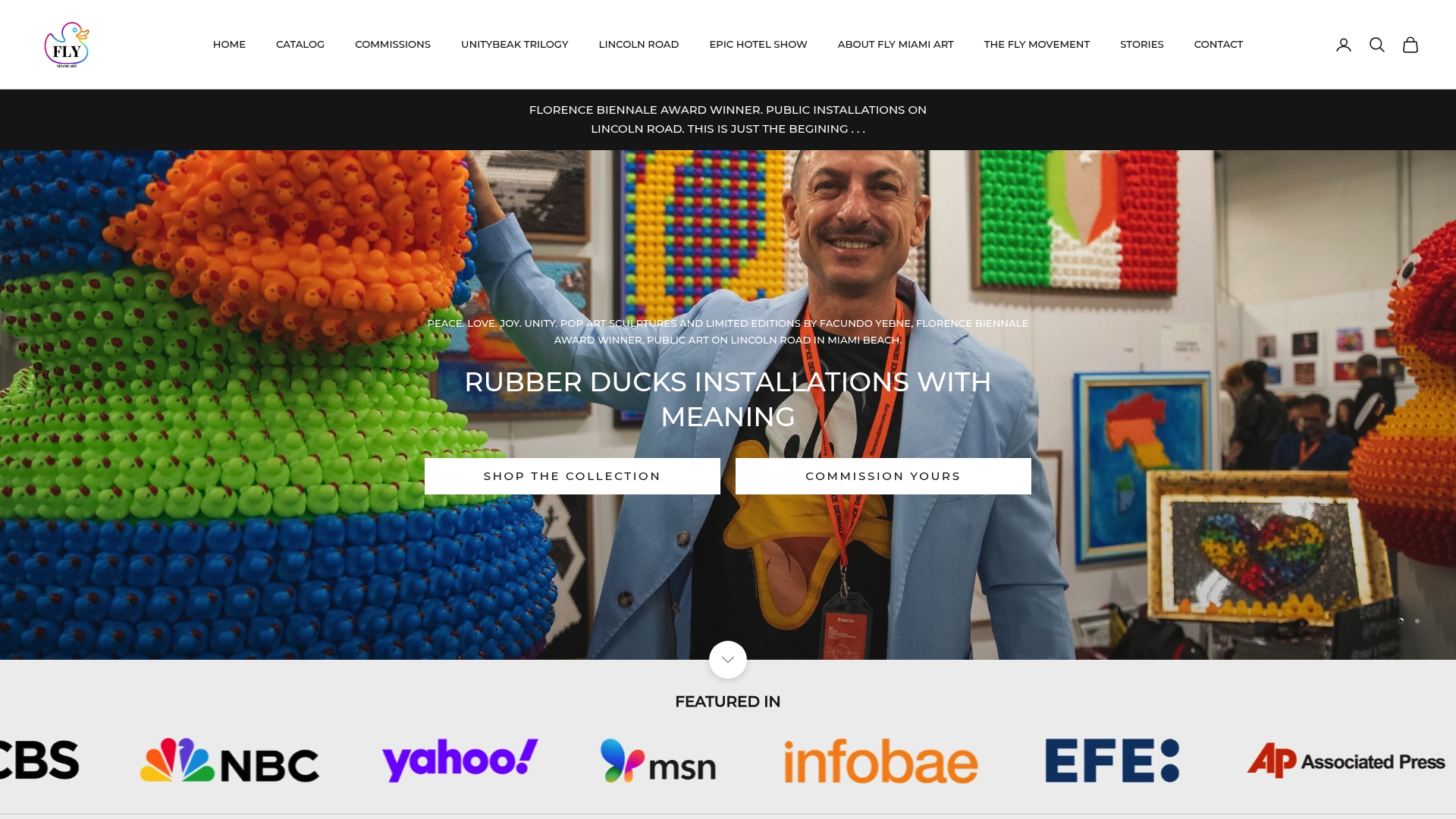
Collectors looking for statement pieces that combine cultural relevance with technical originality will find strong options across Flymiami’s wall art collection and sculpture series. The work has been featured in prestigious exhibitions and recognized with awards, giving it the institutional exposure that supports long-term collecting value. For collectors building across generations and media, Flymiami’s pieces occupy a distinct position where pop art tradition meets contemporary craft.
FAQ
What makes a pop art movement worth collecting?
A pop art movement is worth collecting when it has institutional backing, a documented auction history, and artists whose work appears in major museum collections. Cultural significance and series-driven market performance are the two strongest indicators of long-term value.
What are the most common pop art collecting mistakes?
The most common mistakes are buying the wrong series within a strong artist’s output, ignoring condition issues like margin trimming or enamel damage, and treating catalogue raisonné entries as authentication guarantees rather than existence records.
How does pop art collecting differ from classical art collecting?
Pop art collecting moves faster and is more vulnerable to hype cycles than classical art. Value in pop art depends heavily on edition size, colorway rarity, series positioning, and institutional acquisition history rather than purely on age or provenance.
Is contemporary pop art a sound addition to a collection?
Contemporary pop art from artists with strong institutional records and clear edition documentation adds meaningful diversification. Pairing established contemporary names with emerging voices across different price tiers creates a collection with both stability and growth potential.
How should I store and protect pop art prints?
Store paper prints flat or in acid-free tubes away from direct light. Frame under UV-filtering glass and use white-glove shipping for any transit. Even minor pressure damage or margin trimming permanently reduces a print’s market value.