Conversation Piece Art Types for Homes That Spark Talk
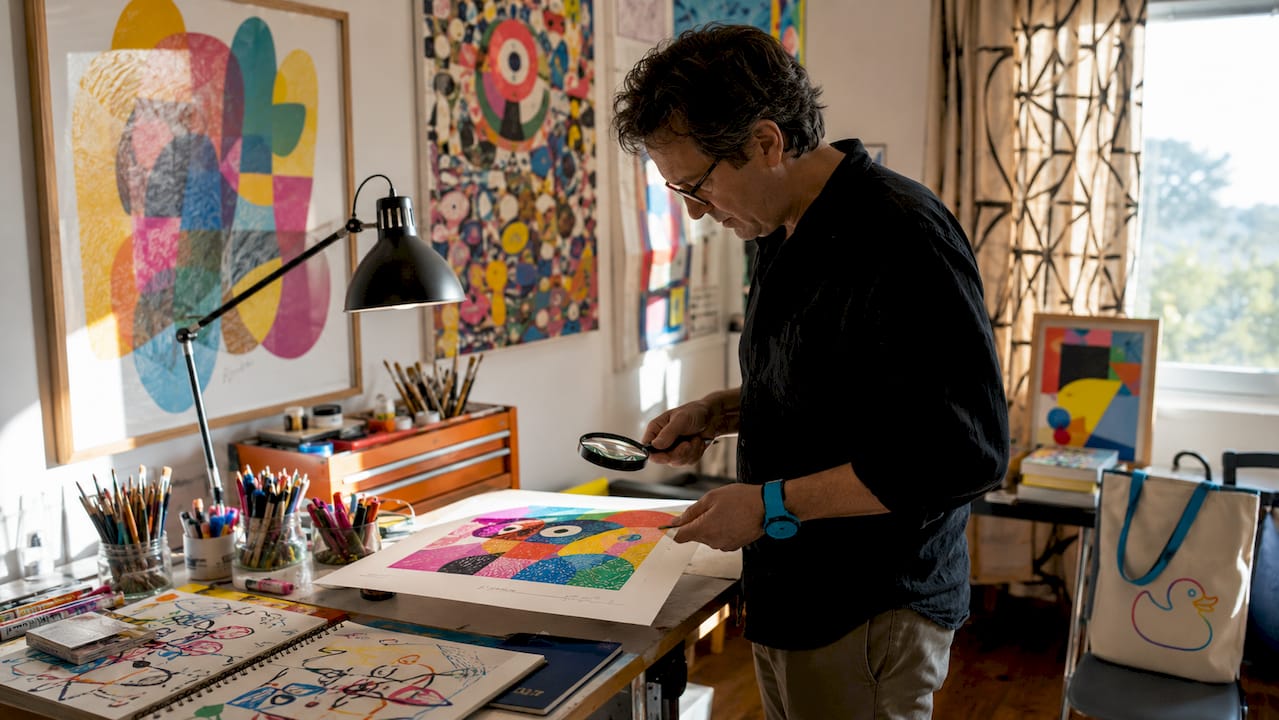
A conversation piece is defined as any artwork so visually compelling or unusual that guests feel compelled to ask about it. The term dates to 18th-century informal portrait painting, but today it covers everything from handcrafted textile wall hangings to UV-reactive pop art sculptures. The best conversation piece art types for homes share one quality: they invite interpretation rather than passive admiration. Fine artist Roy Awbery notes that art described as “interesting or unusual” is the primary driver of household interaction, which means the goal is not decoration but dialogue.
1. Conversation piece art types for homes: a quick overview
Before choosing a specific art type, you need to understand what separates a true conversation piece from generic wall decor. A genuine statement piece carries a story, a technique, or a visual surprise that a guest cannot immediately explain. The categories below range from tactile handcrafted textiles to light-reactive sculptures, and each one works differently depending on your space and your personality.
2. Textile and handcrafted wall art
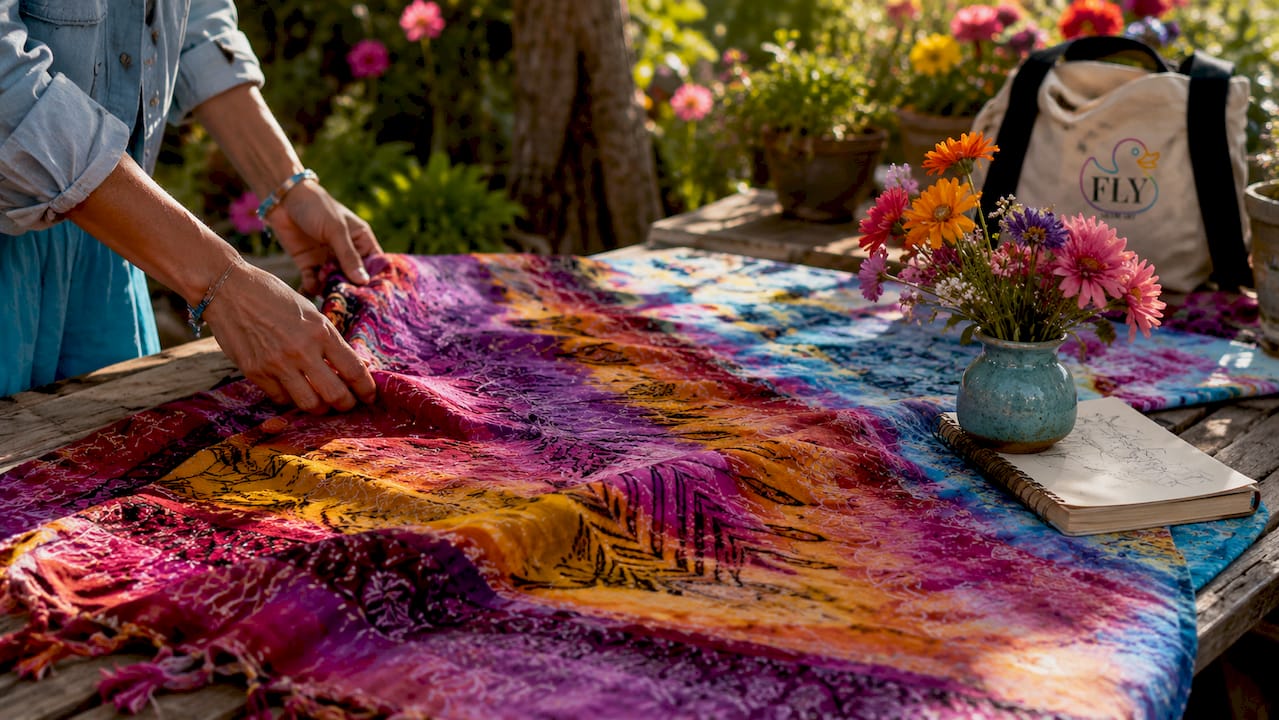
Handcrafted textile art is one of the most underused statement pieces for decor. A single woven wall hanging carries cultural narrative, visible labor, and texture that no print can replicate. Yarn-based textile art takes between 18 and 36 hours of artisan labor per piece. That time investment shows in the finished work, and guests sense it immediately.
Textile pieces work especially well in living rooms because they soften acoustics while adding visual warmth. The key details that spark questions include:
- Fiber variety: Mixed wool, cotton, and natural dyes signal handcraft over mass production.
- Dimensional texture: Raised knots, loops, and fringe create shadows that change with the light.
- Cultural motifs: Geometric or botanical patterns tied to a specific weaving tradition invite guests to ask about origins.
- Custom framing: A curved wood frame that follows the weave’s silhouette enhances the piece’s organic quality.
Pro Tip: Mount textile art on a floating wood rod rather than a standard picture hook. The rod becomes part of the display and reinforces the handcrafted story.
Pairing a large textile anchor piece with smaller ceramic wall discs creates a layered, gallery-style wall without competing focal points. If you enjoy making art yourself, personalized art kits can help you create pieces that carry your own story, which makes them even more effective as conversation starters.
3. Sculptural art that captivates and sparks dialogue
Sculpture is the most powerful category of eye-catching home art ideas because it adds physical dimension to a room. Flat wall art asks guests to look. A sculpture asks them to walk around it, touch it, and see it differently from every angle. Sculptural art beats flat wall decor precisely because it changes with the viewer’s position.
The most engaging sculptural types for home interiors include:
- Interactive resin and glass prism sculptures: These refract light throughout the day, casting shifting color patterns across walls and ceilings.
- LED-integrated pieces: Light-reactive sculptures provide an evolving visual experience that changes from morning to evening.
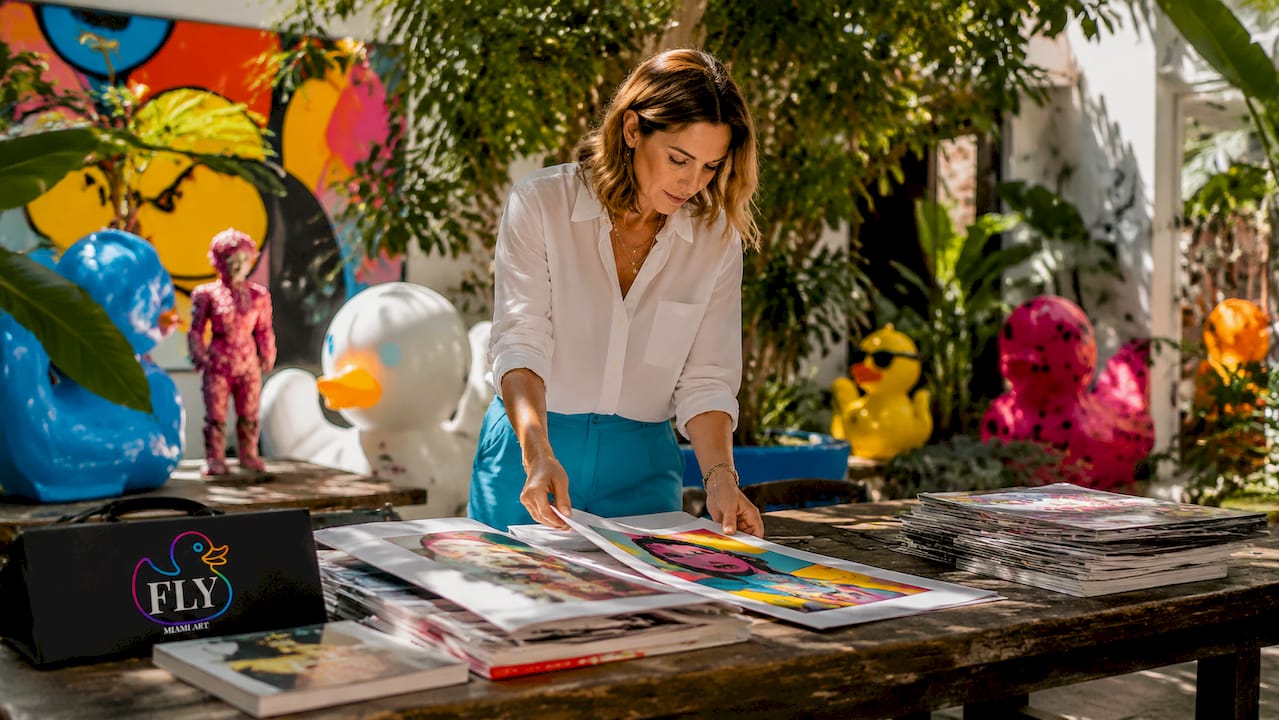
- UV-reactive pop art sculptures: Flymiami’s handcrafted pieces reveal hidden patterns and colors under blacklight, creating a second layer of visual discovery.
- Traditional carved or cast forms: Stone, bronze, and resin castings carry weight and permanence that signals intentional collecting.
Pro Tip: Place a resin or glass sculpture near a south-facing window. The afternoon light will activate its refractive properties and create a natural light show that guests notice without prompting.
The table below shows how different sculptural types perform across key conversation-starting criteria.
| Sculpture type | Light interaction | Tactile appeal | Story potential |
|---|---|---|---|
| Glass prism or resin | High, shifts with daylight | Moderate | Material and process |
| UV-reactive pop art | Very high, blacklight reveal | High | Artist intent and theme |
| Traditional carved form | Low | Very high | Provenance and craft |
| LED-integrated piece | Very high, programmable | Low | Technology and concept |
Modern materials like UV resin and crushed glass make conversation pieces continually surprising across lighting changes. That ongoing surprise is what keeps guests engaged long after the initial introduction.
4. Paintings and large-scale wall art as statement conversation starters
Paintings remain the most recognized form of decorative wall art types, but the ones that actually start conversations are rarely the ones that simply match the sofa. Paintings that reflect personal stories, such as a large landscape tied to a place you have visited or a map with deliberate historic inaccuracies, provoke curiosity and sharing in ways that generic prints never do.
Large-scale and multi-panel works define a conversation area by giving the eye a clear anchor. The most effective approaches include:
- Oversized single-canvas works: A canvas that spans more than half a wall forces guests to engage with it as an environment, not just an object.
- Multi-panel diptychs or triptychs: Split compositions invite guests to read the relationship between panels, which generates natural discussion.
- Travel maps and historic cartography: Maps with visible age or geographic quirks prompt guests to find familiar places and ask questions.
- Abstract expressionist canvases: Open-ended imagery invites personal interpretation, which is the definition of a conversation starter.
A floating art gallery concept, where works hang on a single rail system and can be rearranged, adds daily visual interest and signals that the collection is alive rather than fixed. Hamptons fine art collections often use this approach to keep residential spaces feeling current without constant purchasing.
5. Antiques, architectural salvage, and repurposed objects
Antiques and repurposed objects carry a quality that new art cannot manufacture: visible history. Pieces with patina, soot, or age act as more effective conversation starters than pristine new works because guests feel comfortable asking about them. The imperfection signals a story worth hearing.
The most compelling categories for home use include:
- Antique oil paintings from the 18th and 19th centuries: These attract questions about origins and subjects naturally. Purchasing from estates or flea markets adds provenance stories that no gallery certificate can replicate.
- Architectural salvage: Decorative stonework, carved wooden panels, or antique window frames mounted as wall art connect a home to a specific place and era.
- Repurposed industrial objects: Factory molds, vintage signage, and mechanical parts displayed as art prompt guests to identify their original purpose.
- Found-object assemblages: Collections of related objects arranged in shadow boxes or on open shelving invite guests to decode the theme.
“Successful conversation pieces often feature visible patina or imperfections that convey history, encouraging guests to ask about their stories. The aged surface does the social work before you say a word.”
The key to using antiques and salvage effectively is restraint. One strong aged piece in a modern room creates productive tension. A room full of antiques reads as a museum, not a home.
Key Takeaways
The most effective conversation piece art types for homes combine personal resonance, visual surprise, and a story that guests can ask about naturally.
| Point | Details |
|---|---|
| Personal resonance drives dialogue | Art tied to your own experiences or interests sparks authentic conversation better than trend-driven choices. |
| Sculpture adds dimension flat art cannot | Three-dimensional pieces change with the viewer’s position, creating ongoing engagement throughout a visit. |
| Patina and age do social work | Antiques and repurposed objects with visible history invite questions without any prompting from the owner. |
| Anchor and orbit placement matters | One strong focal piece paired with smaller complementary works prevents visual fatigue and focuses conversation. |
| Light interaction extends engagement | UV-reactive and resin pieces reveal new details under different lighting, giving guests a reason to look twice. |
Why I stopped chasing trends and started collecting stories
People ask me all the time how to choose art for a home. My honest answer is: stop thinking about what looks good and start thinking about what you cannot stop thinking about.
Early in my career I watched collectors fill beautiful rooms with perfectly curated, trend-aligned pieces. Guests would glance at the walls and move on. Then I saw a client hang a battered antique portrait she found at a flea market next to one of my UV-reactive sculptures. Every single person who walked into that room stopped at both pieces. The portrait because it looked like it had survived something. The sculpture because it looked like it was alive.
The anchor and orbit principle is real and I use it in every installation I design. One strong piece sets the room’s emotional tone. The smaller pieces around it add depth without fighting for attention. What most people get wrong is placing art at standing eye level in a room where guests sit. Placing art at seated eye level changes everything. Guests see it from the position they actually occupy, and the conversation starts naturally.
My advice is simple. Buy the piece that makes you want to explain it to someone. That impulse is the whole point.
— Facundo
Flymiami: where your walls start a conversation
Art that sparks genuine dialogue is not easy to find in a standard gallery or a home decor store. Flymiami specializes in exactly that kind of work.
Flymiami’s handcrafted pop art sculptures incorporate UV-reactive materials that reveal hidden patterns and colors under blacklight, creating a second visual experience that guests discover on their own. The wall art collection includes bold, artisan-made pieces designed to anchor a room and hold attention. Every piece is made by award-winning artist Facundo Yebne and has been featured in prestigious exhibitions. If you want art that people talk about long after they leave your home, Flymiami’s statement pieces are the place to start.
FAQ
What makes a piece of art a conversation starter?
Art described as “interesting or unusual” is the primary driver of household interaction. A true conversation piece carries a visible story, an unexpected technique, or a visual surprise that guests cannot immediately explain.
Where should I place conversation piece art in my home?
Place your main piece at seated eye level in the room where guests spend the most time. Avoid placing multiple strong focal pieces on the same wall, since competing anchors reduce the impact of each one.
What art types work best as conversation starters in living rooms?
Sculptures, large-scale paintings with personal meaning, and antiques with visible patina are the most effective art for conversation starters in living rooms. UV-reactive and light-refracting pieces add an extra layer of engagement because they change with the lighting.
How do I choose between a sculpture and a wall painting?
Choose a sculpture when you want guests to move around the piece and engage with it physically. Choose a large-scale painting when you want a single visual anchor that defines the room’s emotional tone from a seated position.
Are handcrafted textiles effective as statement pieces?
Yes. Handcrafted textile art takes up to 36 hours of artisan labor per piece, and that investment is visible in the finished work. The texture, cultural motifs, and fiber variety give guests multiple entry points for asking questions.