How to Acquire Limited Edition Pop Art Pieces in 2026
Limited edition pop art acquisition is the process of sourcing, verifying, and purchasing prints or sculptures produced in a fixed, numbered run by a recognized artist. Collectors who understand this process build collections that hold both personal meaning and long-term financial value. The difference between a smart purchase and a costly mistake comes down to three things: provenance, sourcing channel, and total cost of ownership. This guide covers all three, with specific techniques and real market figures to help you buy pop art collectibles with confidence.
How to acquire limited edition pop art pieces: verifying authenticity and provenance
Authenticity is the single most important factor in any limited edition art acquisition. A piece without verified provenance is worth only what someone is willing to pay for it on sentiment alone.
The industry standard for verification is the Certificate of Authenticity, or COA. A COA confirms the edition number, print run size, artist signature, and publisher details. The problem is that a COA alone is no longer enough. Digital registries now back COAs with registry IDs linked to official edition listings, making forgeries far harder to pass off as genuine. The Hahnemühle Art Licensing Registry is one recognized example of this standard.
“Limited edition” is a marketing term unless it is backed by a strict print run limit, verifiable provenance, and artist reputation. That phrase on its own guarantees nothing. You need the edition number, the total run size, and a registry match before you trust the label.
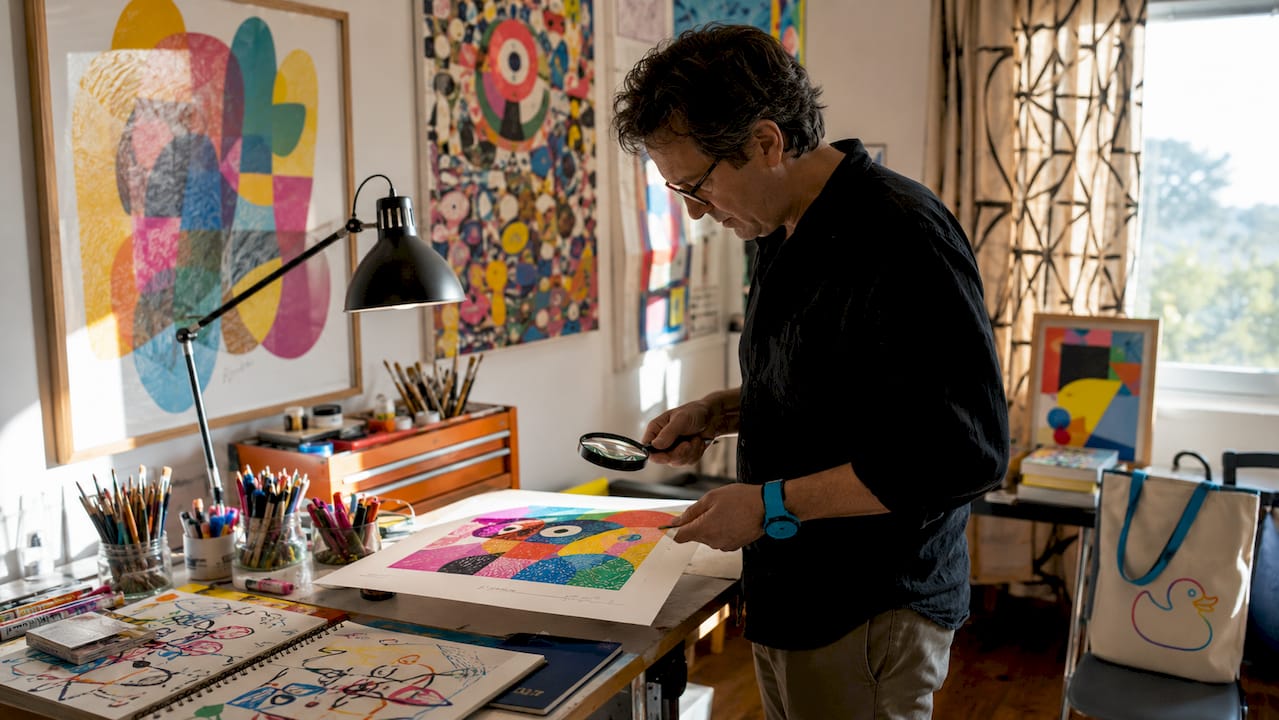
Print type also matters for long-term value. Screenprints, which use hand-pulled ink layers, carry more collector interest than digital giclée prints. Verifying the print method before purchase directly affects what the piece will be worth in five or ten years.
Key red flags to watch for when evaluating any piece:
- No edition number or total run size listed on the COA
- Signature present but no registry ID or publisher verification
- Seller cannot name the printer or publisher
- COA issued by the seller rather than an independent registry
- Giclée print priced at screenprint levels without justification
Pro Tip: Cross-reference the COA registry ID against the official publisher’s database before completing any purchase. A legitimate seller will provide this information without hesitation.
Where to find rare pop art: auctions, galleries, and private sales
The sourcing channel you choose shapes both the price you pay and the experience you have. Each channel has real advantages and real costs.
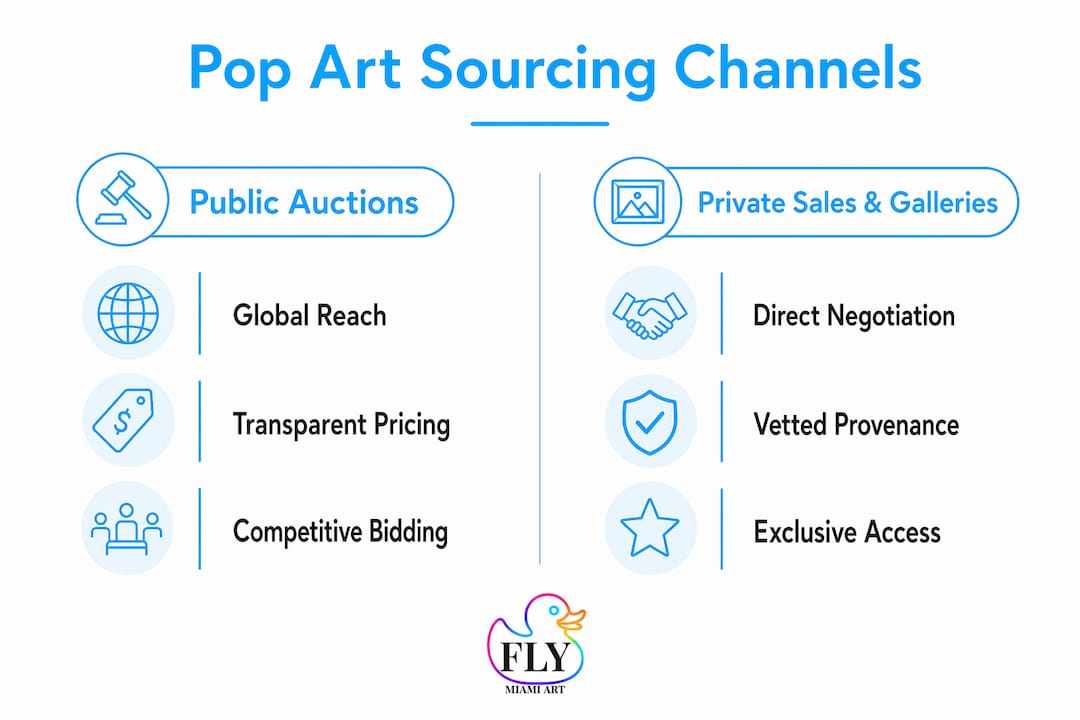
Public auctions offer global reach and transparent pricing. You see competing bids in real time, which gives you a clear picture of current market demand. The downside is cost. Buyer’s premiums at auction often exceed 26% on top of the hammer price. On a $20,000 print, that adds more than $5,200 before shipping or insurance.
Private sales work differently. Brokers in private sale networks offer direct negotiation and access to pieces that never reach public auction. This channel suits collectors who want a bespoke experience and are searching for specific artists or editions. The trade-off is less price transparency.
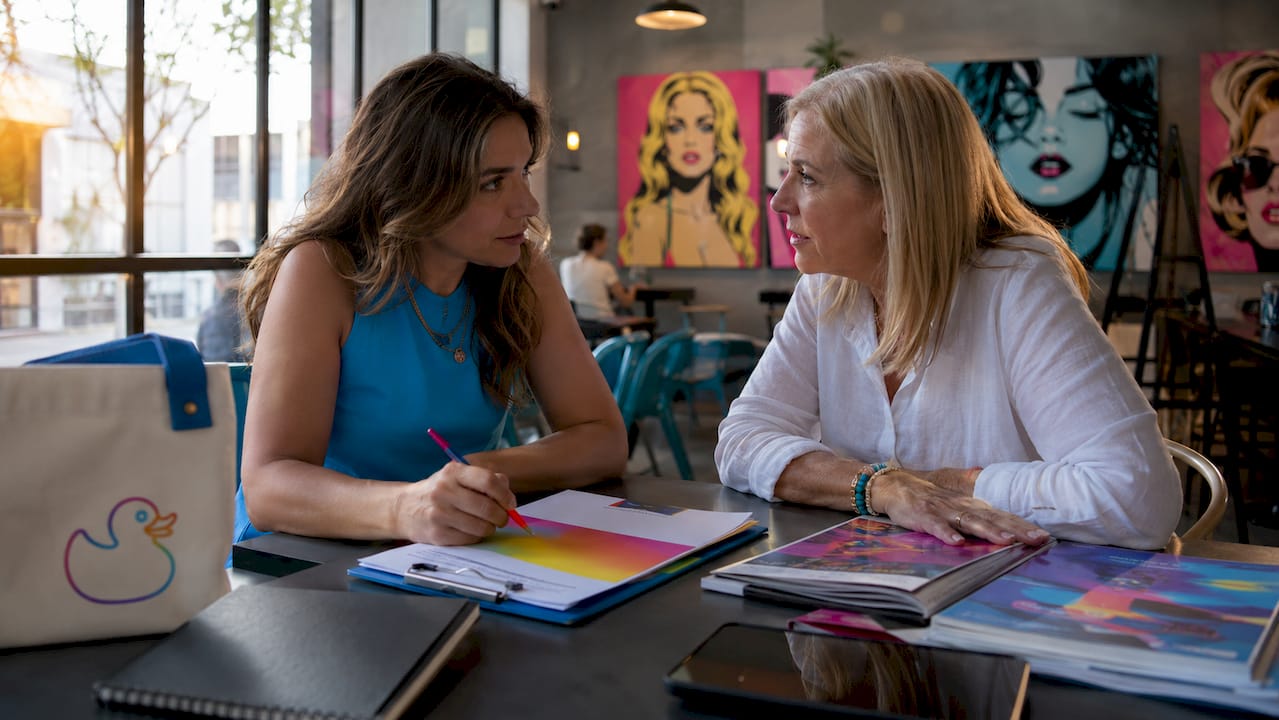
Specialist galleries and curated online platforms fill the middle ground. They offer vetted provenance, professional presentation, and often include framing services. For collectors building a pop culture art collection, galleries that specialize in a specific style or artist give you focused expertise that general auction houses cannot match.
Here is how the three main channels compare across key factors:
| Channel | Transparency | Typical extra costs | Best for |
|---|---|---|---|
| Public auction | High | Buyer’s premium 26%+ | Established artists, price discovery |
| Private sale broker | Low to medium | Negotiable commission | Rare editions, bespoke service |
| Specialist gallery | Medium to high | Framing, handling fees | Curated collections, emerging artists |
When evaluating any channel, ask for full provenance documentation before committing. A reputable seller provides this as standard. If they hesitate, treat it as a serious warning sign.
Understanding pricing dynamics and budgeting for limited edition pop art
Price in the limited edition print market spans an enormous range. Blue-chip prints, such as Warhol editions, can reach £300,000, while strong contemporary editions often start below £10,000. Where a piece falls on that spectrum depends on four variables: artist reputation, edition size, print method, and condition.
Edition size is the most misunderstood factor. A run of 500 giclée prints carries far less scarcity value than a screenprint edition of 50. Smaller runs from recognized artists with verifiable provenance hold value better over time. Condition matters equally. A print with fading, foxing, or handling damage loses value fast, regardless of the artist’s name.
The purchase price is only part of the budget. Museum-standard framing can cost $2,500 or more as a standalone expense. Shipping insurance for high-value pieces adds further cost, and many collectors underestimate both. Budget for these from the start, not as afterthoughts.
Pro Tip: When setting your acquisition budget, add 35–40% on top of the expected hammer or list price to cover buyer’s premiums, framing, shipping, and insurance. This prevents surprises and keeps your collection financially sound.
For collectors investing in pieces by emerging artists, the calculus is different. Lower entry prices allow for broader collection building, but the risk of value decline is higher without strong provenance and a growing exhibition record. Pieces shown at recognized fairs or biennales carry more credibility than studio-only releases.
Flymiami’s artist Facundo Yebne has exhibited at prestigious international venues, which adds measurable provenance weight to each piece. That exhibition history is exactly the kind of record that supports long-term value.
Best practices for preserving and displaying limited edition pop art pieces
The condition of a print at the time of resale determines a large part of its value. Preservation starts the moment the piece arrives.
Museum-standard framing materials are the baseline requirement. UV-resistant glass, such as Groglass museum glass, blocks the wavelengths that cause color fading. Acid-free mounting boards prevent chemical degradation from the backing material. These are not optional upgrades. They are the minimum standard for any piece worth protecting.
Environmental control matters as much as framing. Direct sunlight is the fastest way to damage a print. Humidity above 60% encourages mold and paper warping. Temperature fluctuations cause the paper to expand and contract, which weakens the substrate over time. A stable, climate-controlled interior space is the best display environment.
Practical display guidelines for collectors:
- Hang prints away from direct sunlight and artificial UV sources
- Keep interior humidity between 45–55% using a hygrometer to monitor
- Avoid hanging art above heat sources, fireplaces, or air conditioning vents
- Use professional installation hardware rated for the piece’s weight
- Inspect frames and mounts annually for signs of moisture or pest damage
For large-scale works, the display method itself affects longevity. Flymiami’s guide on displaying large-scale art installations covers wall anchoring, lighting placement, and spacing considerations that apply directly to limited edition prints and sculptures alike.
Vivid, color-saturated pop art pieces benefit from controlled accent lighting rather than overhead ambient light. Warm LED spotlights at a 30-degree angle bring out depth without generating the heat of halogen fixtures. For UV-reactive works, a dedicated blacklight source reveals layers of the piece that standard lighting hides entirely.
For collectors who want wall art that performs under both standard and blacklight conditions, neon and UV-reactive wall pieces demonstrate how vibrant color and reactive materials can transform a display space.
Key Takeaways
Collectors who verify provenance, understand total acquisition costs, and apply museum-standard preservation practices build limited edition pop art collections that hold both aesthetic and financial value over time.
| Point | Details |
|---|---|
| Verify before you buy | Demand a COA with a registry ID, not just a signature, before any purchase. |
| Know your print type | Screenprints hold more collector value than giclée editions at equivalent price points. |
| Budget beyond the price tag | Add 35–40% to the list price to cover premiums, framing, shipping, and insurance. |
| Choose your channel deliberately | Auctions offer transparency; private sales offer access to rare pieces not publicly listed. |
| Preserve from day one | UV-resistant glass and acid-free mounting are the minimum standard for long-term condition. |
What I’ve learned from years inside the limited edition art market
The conventional wisdom says buy what you love and the value will follow. That is half right. Passion without knowledge produces expensive mistakes.
The single biggest shift I have seen in this market is the move toward digital registry verification. Collectors who relied on physical signatures alone have been burned. A registry-backed COA is now the floor, not a bonus. If a seller cannot provide one, the piece is not worth the risk regardless of how compelling it looks.
The tension between auctions and private sales is real, but collectors often frame it wrong. Auctions are not better because they are transparent. They are better for price discovery on established artists where comparable sales exist. Private sales are better when you know exactly what you want and you need access to a network that does not surface publicly. Neither channel is universally superior. The right choice depends on what you are buying and why.
The most consistently overlooked factor is framing and presentation. I have seen collectors spend $15,000 on a print and then frame it with non-UV glass to save $300. That decision costs them far more at resale. The finished state of the artwork is as much a part of its value as the print itself. Treat framing as part of the acquisition cost, not an afterthought.
Build your collection with both passion and discipline. The collectors who do both are the ones who end up with pieces they love and a portfolio that grows.
— Facundo
Flymiami’s curated collection for serious collectors
Flymiami offers collectors a direct path to verified, handcrafted limited edition pop art pieces created by award-winning artist Facundo Yebne. Every piece comes with provenance documentation and reflects a studio process built around quality and meaning.
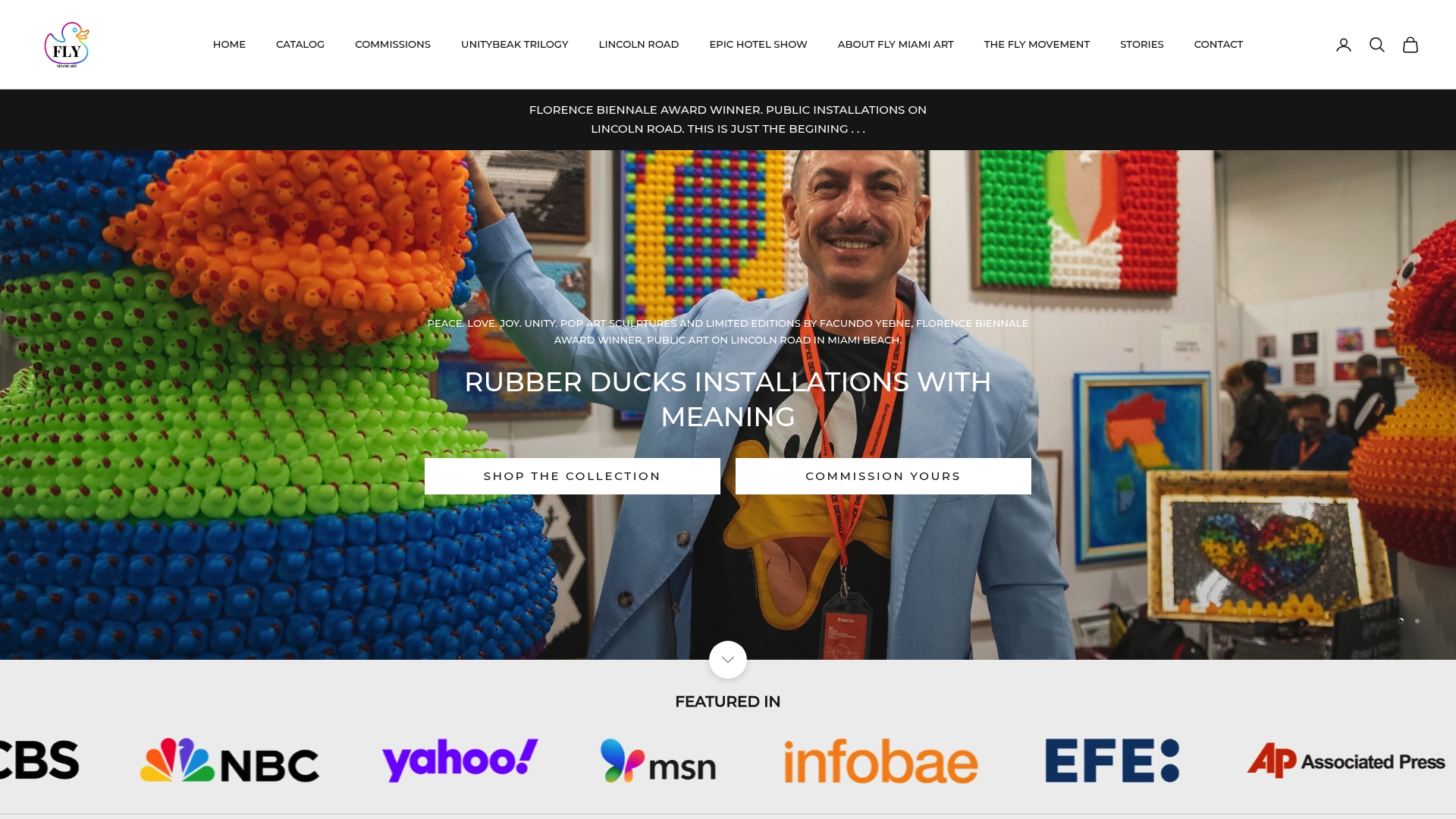
The Flymiami wall art collection includes limited release works that incorporate UV-reactive materials, revealing hidden layers under blacklight. These are not mass-produced prints. Each piece is handcrafted, exhibited internationally, and backed by the kind of artist record that supports long-term collection value. Collectors looking for statement pieces that hold up aesthetically and financially will find Flymiami’s catalog worth exploring. The studio’s work has appeared at prestigious exhibitions, including the Florence Biennale, giving each acquisition a verifiable exhibition history from day one.
FAQ
What makes a pop art print genuinely limited edition?
A genuine limited edition print has a fixed, numbered run verified by a COA linked to a recognized registry. The edition number, total run size, and print method must all be documented and verifiable.
How do I check if a Certificate of Authenticity is real?
Cross-reference the COA registry ID against the publisher’s or registry’s official database. Legitimate COAs include a unique ID that matches an official listing, not just a signature.
What is the difference between a screenprint and a giclée print?
A screenprint uses hand-pulled ink layers applied through a mesh screen, making each print slightly unique. A giclée is a high-resolution digital inkjet print. Screenprints generally carry more collector value and hold price better over time.
How much should I budget beyond the purchase price?
Budget an additional 35–40% on top of the list or hammer price. This covers buyer’s premiums of 26%+, museum-standard framing, shipping, and insurance.
Where is the best place to find exclusive pop art prints?
Specialist galleries and private sale brokers offer the best access to verified, exclusive pop art prints. Public auctions work well for established artists where price history exists, while private brokers are better for rare or hard-to-find editions.