Pride Month Art Ideas for Commissioners: UV Reactive, Start to Install
The strongest Pride month art ideas for 2026 fall into four commission paths: UV-reactive pop sculptures for collectors and nightlife venues, immersive blacklight installations for brand activations, large-scale lobby anchor pieces for hotels, and civic-scale public sculptures for museums and municipal programs. Each direction fits a distinct buyer and budget. The next move is simple: brief an artist directly or submit a commission inquiry with your space, timeline, and target audience.
TL;DR:
- UV-reactive sculptures suited for nightlife or hotel lobbies typically range from tabletop to six-foot works, with installation fitting freestanding or wall-mounted hardware.
- Blacklight installations require careful electrical planning, dimmable lighting rigs, and a rehearsal to manage response shifts caused by crowd density and ambient light.
- Public sculptures over eight feet must have weather-resistant finishes and structural engineering stamp approval, with site orientation affecting visibility at all times.
- Artist fees generally constitute 20-30% of the total budget, with additional costs for expedited fabrication, custom lighting, crating, and installation often needing a 10-15% contingency.
- Starting project planning at least 9-12 months before Pride Month is recommended for civic-scale works, while smaller commissions can often be completed within 3-4 months if design briefs are clear.
Table of Contents
- Curated Pride Month Art Ideas for Commissions
- How Commissioning Works: Timeline, Contracts, and Payment Milestones
- Materials, Lighting, and Technical Considerations for UV-Reactive Work
- Site, Scale, Accessibility, and Installation Logistics
- Budgeting and Pricing Guidelines for Commissioned Pride Artworks
- What to Send an Artist Before the First Call: A Commissioning Checklist
- Typical Commission Process Duration for Pride Month Projects
- Pricing Breakdown: Customization, Rush Fees, and Hidden Costs
- Choosing the Right Artist for a Pride Month Commission
- Legal and Copyright Considerations for LGBTQ+ Symbols in Commissioned Art
- Marketing and Promotion Strategies for Commissioned Pride Artworks
- What UV-Reactive Pride Art Actually Communicates
- Commission Your Pride Piece Through FLY Miami Art
- Sources
Curated Pride Month Art Ideas for Commissions
Commission-ready concepts need more than a good concept sketch. They need scale, materials, and a placement strategy that matches how the piece will actually be seen and used.
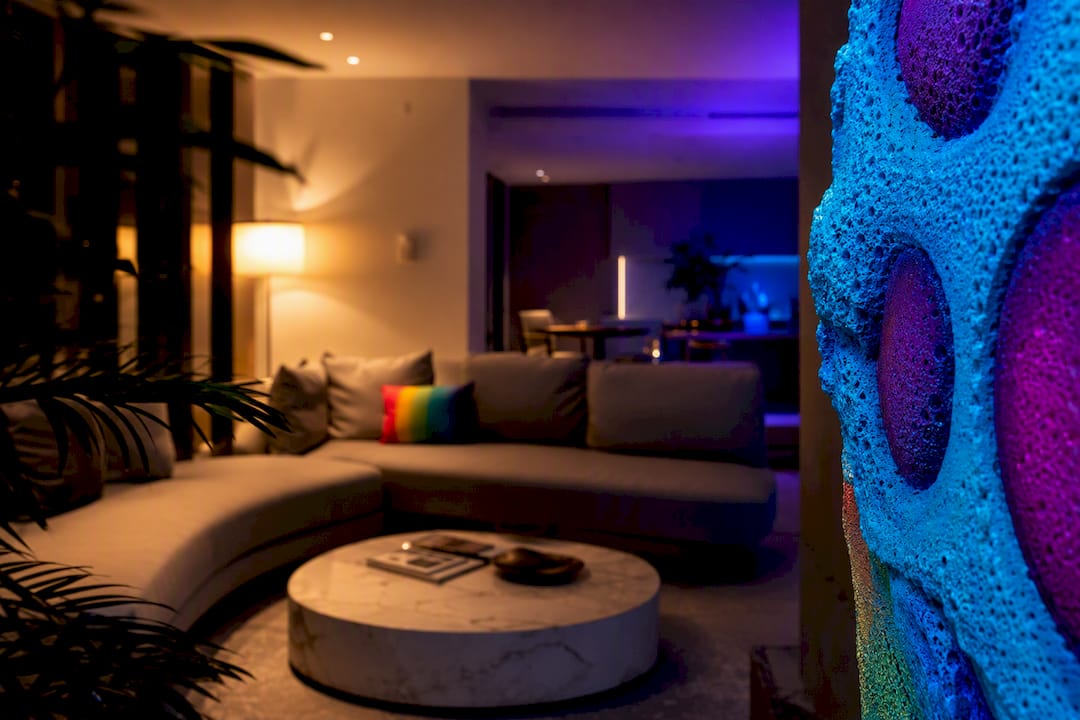
- UV-reactive pop sculptures. Built with blacklight-reactive paints, cast resin, and internal lighting, these work best in nightlife venues, hotel lobbies at dusk, and brand parties where the lights go down at some point in the evening. Typical scale runs from tabletop pieces to 4 to 6 foot standing works. Installation is straightforward since most pieces are freestanding or wall-mounted with standard hardware. Presentation tip: stage a “reveal” moment where ambient light shifts to blacklight, since the transformation is the story.
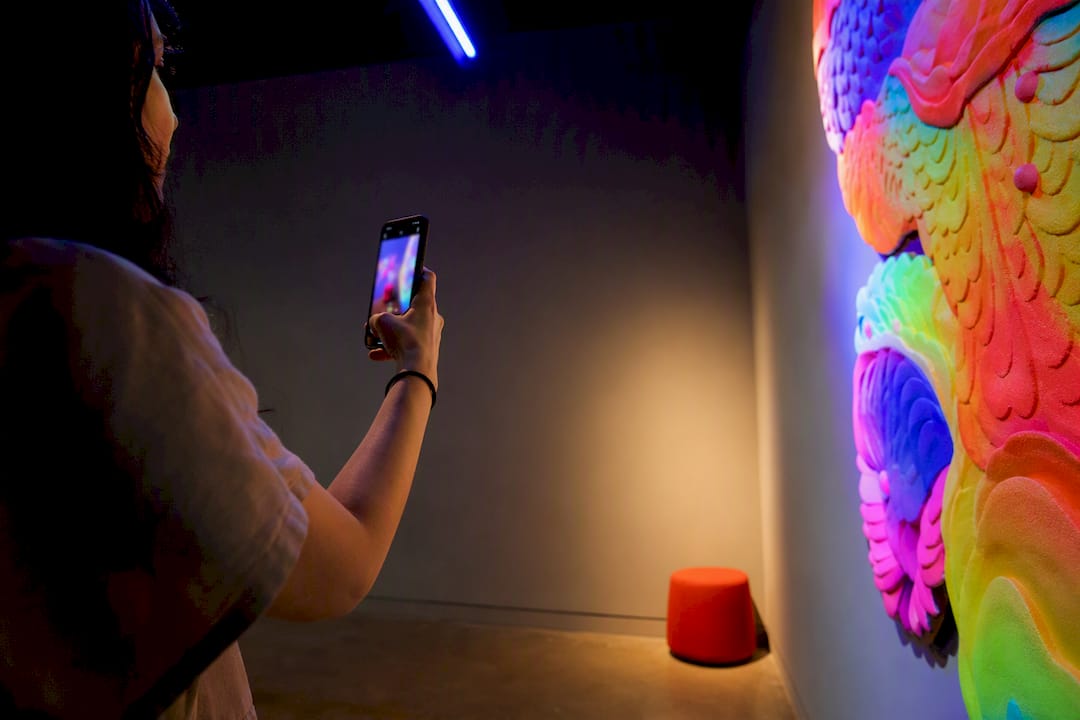
- Immersive blacklight installations. Room-scale environments with controlled UVA sources suit festival activations, gala after-parties, and experiential brand events rather than permanent collections. Expect a walk-through space of 200 to 800 square feet. These require electrical planning and a dimmable lighting rig. Tip: budget for a walk-through rehearsal before doors open, since fluorescent response shifts with crowd density and ambient light bleed.
- Large-scale lobby anchor sculptures. Statement pieces in the 6 to 12 foot range, designed with a built-in photo moment, are the default choice for hotel lobbies and corporate headquarters. Materials lean toward mixed media and resin over fragile surfaces given daily foot traffic. Tip: frame the piece with sightlines from the main entrance, not just the elevator bank.
- Modular wall installations or textile commissions. Adaptable panel systems let galleries and institutions rotate configurations across different gallery walls or traveling exhibitions. Expect individual panels from 2 to 4 feet, assembled into larger compositions. Tip: request a modular mounting system up front so reconfiguration doesn’t require a new install crew each time.
- Civic-scale public sculptures. Durable, weather-rated finishes and structural bases are non-negotiable for plazas and public art commissions. These pieces run 8 feet and up and require stamped structural engineering for sign-off. Tip: site orientation relative to sun path affects daytime visibility as much as nighttime glow.
- Interactive light-and-sound pieces. Sensor-triggered effects reward festivals and public programs where visitors expect to participate, not just view. Scale varies widely, but most run 4 to 10 feet. Tip: pilot the sensor calibration outdoors before the event, since crowd movement patterns rarely match studio testing conditions.
Pro Tip: Ask any artist for a scaled photo mockup of the piece placed in your actual room or plaza before signing a fabrication contract. A rendering in the wrong light kills more Pride installations than any budget overrun.
How Commissioning Works: Timeline, Contracts, and Payment Milestones
Public and institutional commissions typically split into two distinct contracts, and confusing them is the fastest way to blow a timeline. A proposal contract covers the design phase, where the artist develops concept sketches, palette studies, and a scale model. A separate commission contract covers fabrication and installation once the design is approved.
According to ArtsWA’s Public Artist Handbook, proposal phases for public programs commonly span several months, while fabrication and installation durations vary depending on commission size and complexity. Private and hospitality commissions move faster, but the two-contract structure still protects both sides.
A typical payment schedule breaks into three milestones:
- A deposit on contract signing, usually tied to design approval.
- 50% released at fabrication start, once engineering and materials are locked.
- The final balance released on installation and sign-off.
Require these deliverables in writing before final payment: signed design approvals, stamped structural engineering engineering documents, installation photos, and a maintenance plan.
Selection method matters too. Best-practice guides from Americans for the Arts recommend paying artists for concept work when you issue a request for proposals, since a full RFP submission demands real design labor. A simpler request for qualifications, by contrast, only asks for portfolio review and doesn’t require compensation for unpaid concept development.
Materials, Lighting, and Technical Considerations for UV-Reactive Work
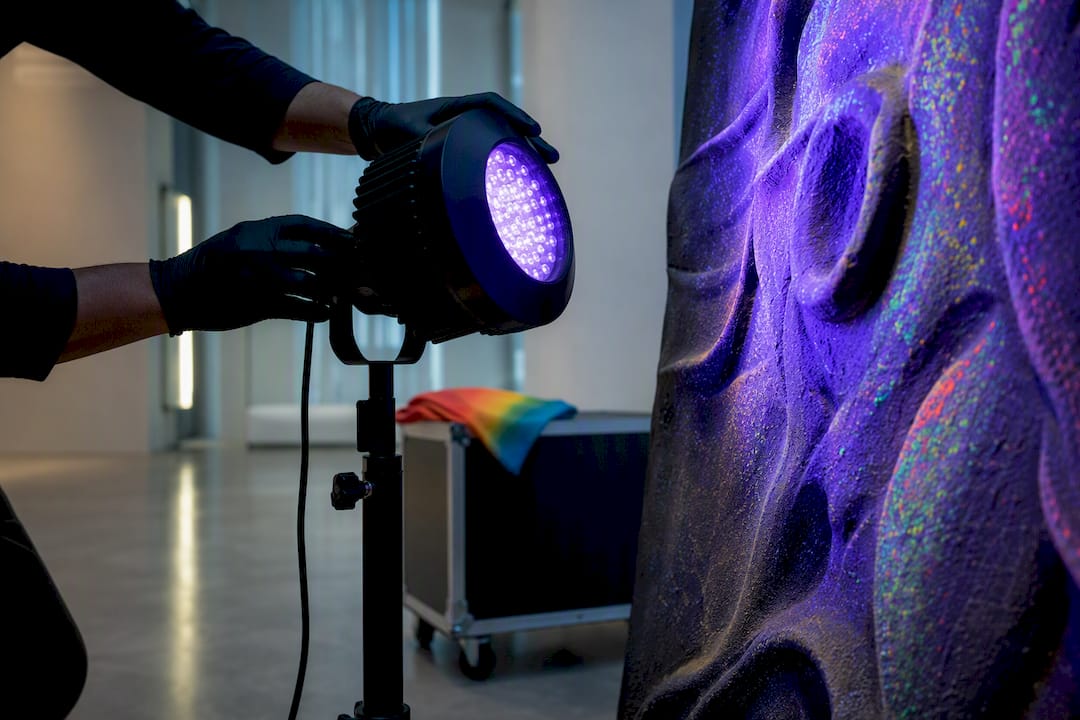
Fluorescent pigments only perform the way you expect them to under the exact light source planned for installation. A pigment that glows vividly under one UVA fixture can look muddy under another, so testing physical samples on-site, under the actual fixtures, is not optional.
- Compare UVA strip lighting against LED neon flex. Each produces a different fluorescent response and color temperature.
- Verify voltage, run length, and driver compatibility before ordering fixtures, since mismatched drivers are a common installation failure point.
- Confirm IP ratings for any piece near water features, pool decks, or outdoor plazas exposed to rain.
- Plan for heat dissipation on longer LED runs, especially in enclosed lobby ceilings.
Testing pigments and lighting together in the actual viewing environment catches problems no studio preview will reveal.
Public art programs generally expect installed sculpture to last 30 years or more, which is why ArtsWA recommends conservation consultation during the design phase, not after installation. Ask for a written maintenance schedule and a warranty term at the same time you sign the commission contract.
Site, Scale, Accessibility, and Installation Logistics
Getting scale right starts with viewing distance, not wall space. A hotel lobby piece read from 15 feet away needs bolder forms than a gallery work viewed at arm’s length.
- Match centerline mounting height to the room’s typical sightline, usually 57 to 60 inches for standing viewers in lobbies and atria.
- Place identification plaques where a wheelchair user’s sightline and a standing adult’s sightline both land comfortably, and keep text large enough to read from a few feet back.
- Check electrical, structural attachment, and fire or egress requirements early. Property managers or a general contractor usually coordinate these permits, not the artist.
- Require joint inspection at installation, with photo documentation and stamped engineering on file before final payment releases.
Budgeting and Pricing Guidelines for Commissioned Pride Artworks
A realistic commission budget breaks into artist fee, fabrication materials, engineering, installation labor, insurance, and contingency. Skipping the contingency line is the single most common budgeting mistake among first-time institutional commissioners.
- Artist fee commonly represents 20% to 30% of total commission budget on institutional work.
- Pricing tends to follow a sliding per-square-inch pattern: smaller works can run $5.00 to $7.90 per square inch, while large-scale commissions often land closer to $2.00 to $3.40 per square inch, since fixed costs spread across more surface area.
- Build in 10% to 15% contingency for material price shifts or structural surprises discovered on-site.
- Negotiate payment terms tied to milestones, not calendar dates, so delays on either side don’t trigger premature payment.
Procurement teams should also confirm sales tax treatment on commissioned art in their jurisdiction early, since fabrication materials and finished artwork are sometimes taxed differently.
What to Send an Artist Before the First Call: A Commissioning Checklist
Reducing review rounds starts with a tight brief. Send site photos, exact wall or ceiling dimensions with clearance measurements, any material swatches from the surrounding space, a real budget range, and your target installation date.
- Site photos and measured dimensions, including clearance above and around the mounting area.
- A budget range, not a single number, so the artist can propose within reality.
- A target installation date, worked backward to set design and fabrication deadlines.
- Ask the artist for a palette study, a scale mockup or maquette, structural notes, and a written installation plan in return.
- Set two firm approval gates: one after concept sketches, one after the maquette, before fabrication begins.
Pro Tip: Work backward from your installation date. If you need a piece installed for a June event, initiate contact by the previous fall for anything larger than a tabletop sculpture.
Typical Commission Process Duration for Pride Month Projects
Pride Month deadlines are fixed and unforgiving. June arrives every year regardless of fabrication delays, which makes Pride commissions less flexible than most gallery work.
For a mid-size original piece, fabrication alone commonly runs 5 to 8 weeks, with complex or large-scale work stretching to 14 weeks. Add framing, crating, and shipping time on top of the fabrication window. UV-reactive sculptures with lighting integration may require additional time depending on complexity, since lighting fixtures and drivers often carry their own lead times separate from the sculpture itself.
Working backward from a June 1 installation date, a realistic commissioner starts artist outreach by December or January for anything beyond a small tabletop piece. That gives room for a concept phase, a maquette review, fabrication, and a buffer week for shipping delays or last-minute lighting adjustments.
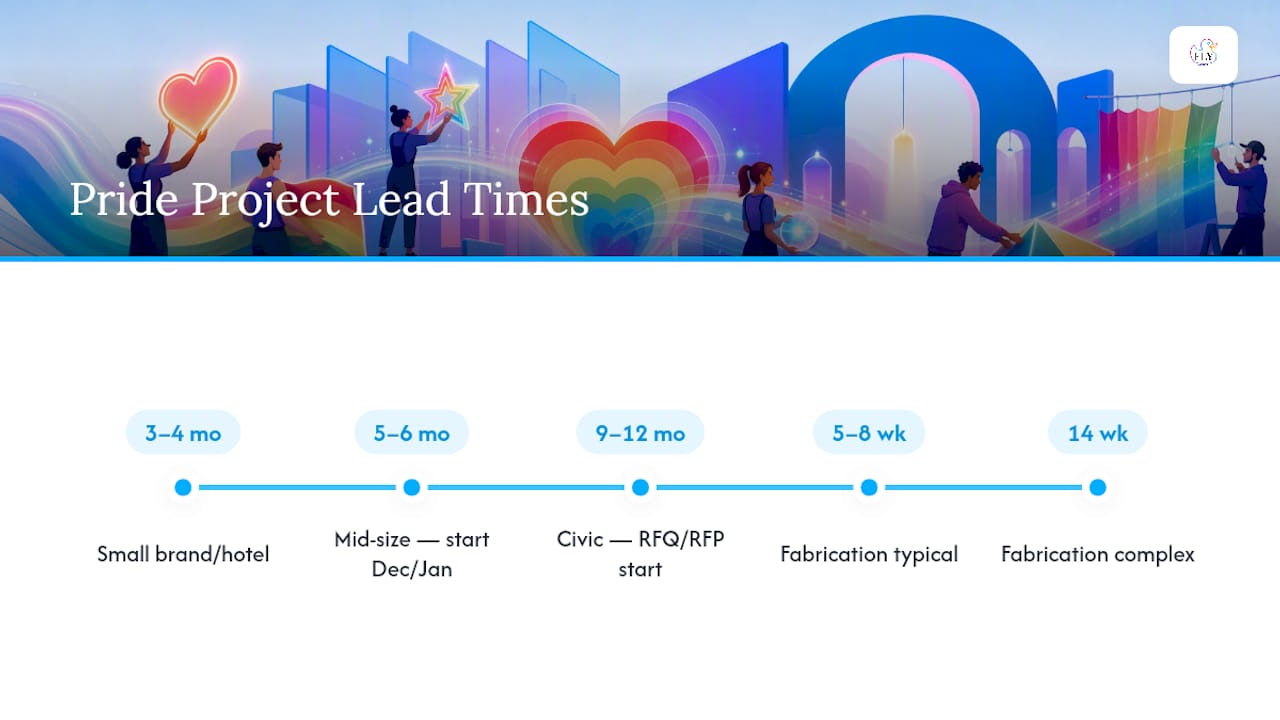
Institutions and public programs need far more runway. A civic-scale sculpture tied to a Pride Month unveiling should start the RFQ or RFP process closer to 9 to 12 months out, matching the proposal and fabrication windows outlined by ArtsWA’s public artist guidelines. Brands and hotels commissioning smaller anchor pieces can often compress that to 3 to 4 months if the artist has fabrication capacity available and the design brief is tight from the first call.
Pricing Breakdown: Customization, Rush Fees, and Hidden Costs
Base commission pricing rarely reflects the final invoice. Customization requests, expedited fabrication, and installation logistics all add line items that catch first-time commissioners off guard.
Expedited fabrication is the most common add-on, especially for Pride Month deadlines announced later than ideal. Compressing an 8-week fabrication window into 4 weeks typically means rush fees on materials, overtime studio labor, and sometimes expedited shipping on lighting components sourced from third-party vendors. Expect a meaningful premium over standard-timeline pricing, though the exact percentage varies by studio and material complexity.
Customization costs scale with how far a request departs from the artist’s existing process. Adding a bespoke color palette to fit a hotel’s brand guidelines is a modest add. Requesting a fully custom sensor-triggered lighting sequence for an interactive piece is a much larger scope change, closer to a second design phase than a tweak.
Other line items commissioners often miss: crating and freight for large sculptures, on-site installation crew and equipment rental (lifts, scaffolding), insurance riders during transit and installation, and post-installation touch-up visits if a piece travels through multiple climate zones before reaching its final site. Building a 10% to 15% contingency into the original budget, as covered earlier, absorbs most of these without a renegotiation mid-project.
Choosing the Right Artist for a Pride Month Commission
Portfolio quality matters, but it’s not the only filter that counts. Ask any artist under consideration how they’ve handled Pride-specific themes before, and listen for whether their answer centers celebration and visibility or defaults to generic rainbow motifs without deeper intent.
Technical fit matters just as much for UV-reactive or illuminated work. Ask directly: has this artist tested fluorescent pigments under the exact lighting type you plan to install? Do they have fabrication partners who can produce stamped structural engineering for larger pieces? An artist with a strong painting portfolio but no installation experience is a different hire than one who has managed lighting integration before.
Ask about capacity and timeline honesty. A studio that promises a 3 week turnaround on a large illuminated sculpture without flagging the lighting lead time is a red flag, not a selling point. Cross-check references from past institutional or hospitality clients, specifically asking about how the artist handled schedule changes and maintenance follow-up after installation.
Finally, confirm the artist retains standard rights structures. Model commissioning agreements typically have the artist retain copyright while granting the commissioner reproduction rights for marketing and documentation, so ask how the artist structures that split before signing anything.
Legal and Copyright Considerations for LGBTQ+ Symbols in Commissioned Art
Rainbow imagery, pride flags, and related symbolism sit in a legally comfortable space: these are widely recognized cultural symbols, not trademarked or copyrighted assets belonging to a single owner. Commissioning original artwork that incorporates them doesn’t trigger the licensing concerns that come with using a branded logo or a specific artist’s existing copyrighted composition.
The actual legal exposure shows up elsewhere. Copyright in the finished commissioned piece belongs to the artist by default under standard commissioning practice, even though the buyer owns the physical object. That means reproduction rights, whether for marketing photos, merchandise, or press use, need to be spelled out in the commission contract rather than assumed. Model commissioning agreements address ownership, reproduction rights, and maintenance obligations as separate contract terms, and skipping that language is the most common legal gap commissioners create for themselves.
The other consideration is respectful representation. Institutions and brands commissioning Pride-themed work should be direct with the artist about intent, avoiding symbolism used decoratively without connection to the community it represents. That’s a reputational and ethical concern more than a strictly legal one, but it shapes how the finished piece lands with the audience it’s meant to celebrate.
Marketing and Promotion Strategies for Commissioned Pride Artworks
A commissioned piece that never gets documented properly loses most of its promotional value the moment the installation crew leaves. Professional photography under both standard and blacklight conditions, captured the same day as installation, is the single highest-leverage marketing asset most commissioners skip.
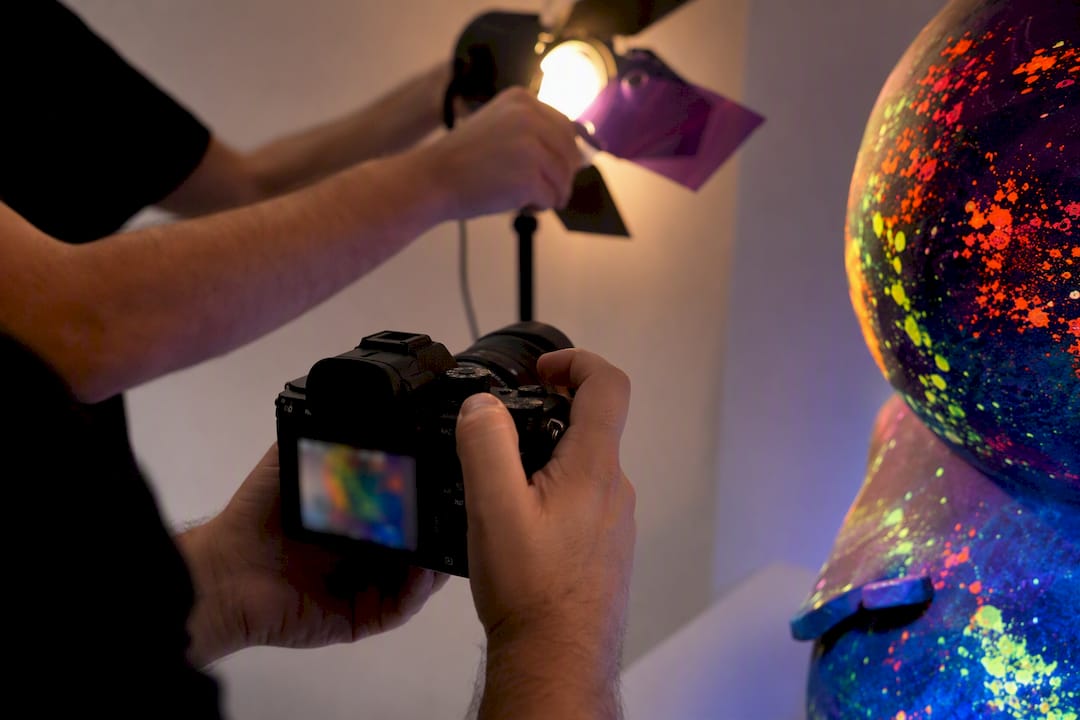
Timing the unveiling to coincide with Pride Month programming, rather than quietly installing weeks early, maximizes press and social attention. Hotels and brands get the most mileage from framing the unveiling as an event: a small reception, a short artist talk, or a scheduled “reveal” moment where lighting shifts from standard to blacklight in front of guests.
For outdoor activations, durable signage explaining the piece and its artist matters more than most commissioners expect, particularly for temporary festival installations exposed to weather. Weatherproof event signage keeps identification plaques and directional signage legible through a full weekend outdoors, which matters for public art walks and festival layouts where foot traffic and weather both take a toll.
Beyond launch day, ongoing promotion works best when tied to the reproduction rights negotiated in the commission contract. Confirm upfront whether the artist permits the piece’s image in social content, press releases, and annual reports, since that usage question is far easier to answer before installation than after a marketing team has already built a campaign around it.
What UV-Reactive Pride Art Actually Communicates
UV-reactive pop art works for Pride messaging because it does something rainbow palettes on their own can’t: it reveals a second layer of meaning only visible under specific conditions, echoing the experience of visibility itself. Studio testing under real blacklight, not renderings, is where a concept either earns its glow or falls flat. The goal is always spectacle that still respects the people it represents, built to last, not just to photograph well on opening night.
— Facundo
Commission Your Pride Piece Through FLY Miami Art
The studio builds UV-reactive pop-art sculptures and installations suited to various commission paths like gallery pieces, hotel lobby anchors, and brand activations that glow under blacklight and reveal hidden details. The artist’s work has appeared in exhibitions, offering commissioners a track record beyond a portfolio site.
Starting a commission conversation typically involves sending site photos, rough dimensions, and a target installation date, with an initial proposal expected within a few weeks depending on scope. Browse the Pride Collection for reference pieces, explore the full sculpture collection for scale examples, or check the UV Glow Art collection to see how fluorescent pigment and lighting come together before you brief your own commission.
Sources
For contract language, review the ArtsWA Public Artist Handbook and the artworld.today commissioning guide.
- Public Artist Handbook (ArtsWA) — Artist handbook excerpts
- Artist Selection Process Resource Guide — Americans for the Arts
- Commissioning Custom Art: A Trade Guide for Designers — BertaArt
- Artworld