Types of Contemporary Pop Art Sculptures: 2026 Collector Guide
Contemporary pop art sculptures are three-dimensional artworks defined by bold colors, playful cultural imagery, and materials ranging from resin to mirror-polished steel. The types of contemporary pop art sculptures available today span a wider range of techniques and themes than most collectors realize. Whether you are building a serious collection or choosing a statement piece for your home, understanding the categories helps you buy with confidence. Certificates of Authenticity, provenance documentation, and fabrication quality are the three standards that separate investment-grade pieces from decorative reproductions.
1. What are the main types of contemporary pop art sculptures?
Contemporary pop art sculpture is the recognized industry term for three-dimensional work rooted in the Pop Art movement that began in the 1950s and 1960s. Pop Art drew from advertising, comic books, and consumer goods to challenge the boundary between fine art and everyday life. Today’s sculptors carry that tradition forward while adding new materials, digital fabrication, and interactive elements. The result is a field that continues to evolve across media, attracting a broad collector base.
The major categories break down by material, fabrication method, and stylistic theme. Each category carries different implications for display, maintenance, and long-term value. The sections below cover each one in depth.
2. Resin sculptures
Resin is the most widely used material in contemporary pop art sculpture. It accepts vivid pigments easily, holds fine surface detail, and costs less to produce than metal or fiberglass. Those qualities make it the default choice for limited edition runs and accessible collector pieces.
The trade-off is durability. Resin is vulnerable to cracking under temperature swings and UV exposure over time. Collectors should store resin pieces away from direct sunlight and avoid placing them near heating vents. A stable indoor environment extends the life of a resin sculpture significantly.
Pro Tip: Ask the gallery or dealer for the specific resin formula used. Polyurethane resin is more durable than polyester resin and holds color better over decades.
3. Metal sculptures: steel and bronze
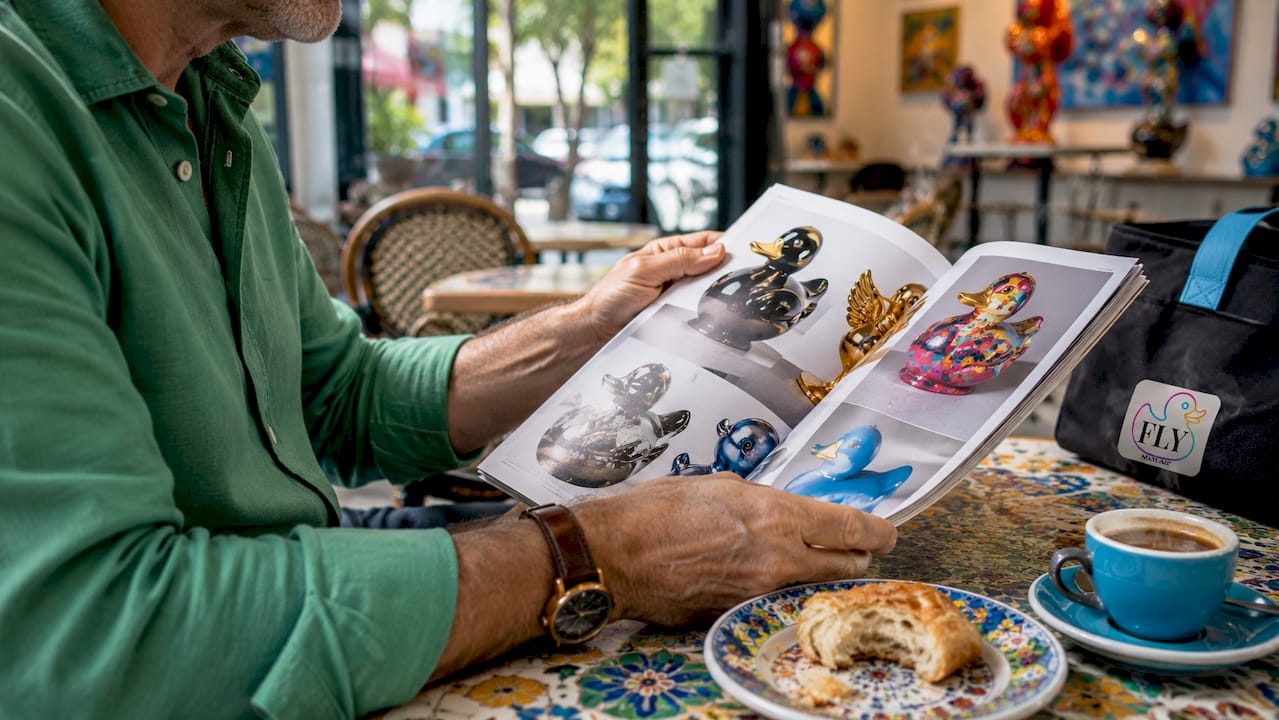
Metal sculptures carry the highest perceived permanence among collectors. Mirror-polished steel reflects the surrounding environment, creating a visual dialogue between the artwork and its space. Bronze, produced through lost-wax casting, has centuries of precedent as a fine art medium and commands strong resale value.
Both metals require specific care. Mirror-polished steel shows fingerprints and scratches easily. Bronze develops a patina over time that some collectors prize and others prefer to prevent with wax coatings. Advanced materials like mirror-polished steel require climate controls to prevent oxidation. Metal pop art sculptures tend to appear in smaller edition sizes, which supports long-term value.
4. Fiberglass sculptures
Fiberglass sits between resin and metal in terms of cost, weight, and durability. It is the preferred material for large-scale and outdoor pop art sculptures because it is lightweight relative to its size and resists weathering better than resin. Hand-cast fiberglass can be finished with automotive-grade paint, achieving the high-gloss surfaces that define the pop art aesthetic.
Craftsmanship and material execution directly shape collector demand for fiberglass pieces. A poorly finished seam or uneven paint application signals low production standards. Collectors should inspect fiberglass works in person when possible, or request detailed condition photographs before purchasing online.
5. Crystal and mixed media sculptures
Crystal and mixed media works represent the more experimental end of the spectrum. Crystal elements refract light in ways that resin and metal cannot, adding a kinetic quality to a static object. Mixed media sculptures combine two or more materials, such as resin with embedded neon elements or steel with hand-applied enamel, to create layered visual effects.
Flymiami takes this approach further by incorporating UV-reactive materials into handcrafted sculptures. Under standard lighting, the pieces read as bold pop art objects. Under blacklight, hidden patterns and colors emerge, turning the sculpture into an immersive experience. This technique places Flymiami’s work in a distinct category within the broader pop art sculpture market.
6. How fabrication techniques define sculptural types
Fabrication method is as important as material in determining a sculpture’s character and value. Lost-wax bronze casting produces editions with fine surface detail and a direct connection to the artist’s original model. Hand-finishing adds individuality to each piece within an edition, meaning no two are identical even when cast from the same mold.
Digital fabrication, including CNC milling and 3D printing, allows for geometric precision that hand-casting cannot achieve. Some artists use digital fabrication for the base form and then apply hand-finishing to add texture and color. Edition size and craft origin influence collector interest directly. Limited editions with documented artist or foundry involvement carry higher value than open editions or reproductions.
Key fabrication categories to know:
- Hand-cast editions: Produced from artist-approved molds, typically in runs of 8–50 pieces. Each piece is numbered and signed.
- Lost-wax bronze: Traditional fine art casting method. Edition sizes are small, often under 12 pieces.
- Hand-finished multiples: Larger editions where each piece receives individual surface treatment, creating variation within the run.
- Digitally fabricated works: Precise geometric forms, often in larger editions, valued for conceptual clarity rather than handcraft.
Pro Tip: Request a condition report for any sculpture before purchase. A formal condition report documents existing imperfections from fabrication or wear, protecting you in future resale negotiations.
7. Stylistic themes and iconic forms
Pop art sculptures draw from a consistent set of visual themes rooted in consumer culture. Claes Oldenburg pioneered monumental sculptures of everyday objects, from giant clothespins to soft typewriters, establishing the template that contemporary artists still reference. Today’s sculptors work within and against that tradition, adding new cultural references and materials.
The major stylistic categories in contemporary pop art sculpture include:
- Oversized everyday objects: Food items, toys, household goods, and consumer products rendered at monumental scale. The scale shift forces viewers to reconsider familiar objects.
- Comic and cartoon imagery: Characters and visual language drawn from comics, animation, and graphic novels, often rendered in high-gloss finishes with flat color fields.
- Cultural icons and logos: Recognizable symbols from advertising, music, and media, recontextualized as fine art objects. These works comment on brand culture and mass media.
- High-gloss and neon color works: Sculptures defined primarily by their surface finish and color palette rather than subject matter. The visual impact comes from the material itself.
- Layered 3D effects: Works that use depth, transparency, and embedded elements to create visual complexity. Crystal and mixed media pieces often fall here.
- Kinetic and interactive sculptures: Works that move, change under different lighting conditions, or invite physical interaction. Flymiami’s UV-reactive pieces belong to this category.
- Peace and unity themes: A growing segment of contemporary pop art that uses playful imagery to carry social messages. Collectors value sculptures that combine visual impact with meaningful content.
Understanding which theme category appeals to you helps narrow your search and builds a more coherent collection over time. You can explore the relationship between theme and form further in this guide to conceptual pop art.
8. How to authenticate and invest wisely in pop art sculptures
Authentication is the single most important step before any purchase. A legitimate contemporary pop art sculpture comes with a Certificate of Authenticity that includes the work’s dimensions, medium, date of creation, and a unique serial number. The serial number should match the number inscribed or affixed to the sculpture itself. If those numbers do not match, walk away.
Provenance documentation strengthens the certificate. Purchase receipts, exhibition labels, and matching COA serial numbers confirm the work’s history and support future resale. Incomplete provenance is a direct red flag. It does not always mean the work is fake, but it reduces liquidity and negotiating power when you want to sell.
“Authenticity documents signed by the artist or estate foundation represent the gold standard. Their absence should raise caution.”
Red flags and verification steps every collector should follow:
- No serial number on the sculpture itself: A COA without a matching physical number is insufficient.
- Anonymous seller with no gallery affiliation: Trade association membership indicates adherence to professional disclosure standards. Anonymous sellers on unregulated platforms carry higher risk.
- No condition report available: Reputable dealers provide condition reports as standard practice.
- Edition size not documented: If the seller cannot confirm the total edition size, the work may be an unauthorized reproduction.
- Price significantly below market: Authentic limited edition pop art sculptures hold consistent market values. Deep discounts without explanation signal problems.
For guidance on verifying authenticity when acquiring sculptures for entertainment or hospitality collections, the role of local art in attractions provides useful context on professional acquisition standards.
Key takeaways
The most reliable path to building a strong pop art sculpture collection combines material knowledge, fabrication awareness, and rigorous authentication at every purchase.
| Point | Details |
|---|---|
| Material determines durability | Resin suits indoor display; metal and fiberglass handle larger formats and outdoor conditions better. |
| Fabrication method signals value | Lost-wax bronze and hand-cast limited editions carry higher collector value than open edition multiples. |
| Authentication requires documentation | A valid COA with a matching serial number and full provenance is non-negotiable for investment-grade pieces. |
| Stylistic theme shapes collection coherence | Choosing works within related theme categories builds a more focused and valuable collection over time. |
| UV-reactive works are an emerging category | Mixed media sculptures with light-reactive properties, like those from Flymiami, represent a distinct and growing segment. |
What I’ve learned from working at the intersection of pop art and material innovation
Most collectors focus on the image first and the material second. That order is backwards. The material is what you live with every day. The image is what draws you in from across the room, but the surface, the weight, and the way the piece responds to light are what determine whether you still love it in ten years.
The UV-reactive approach I use at Flymiami came from a specific frustration. Standard pop art sculptures look the same under every lighting condition. They are static objects. I wanted to make something that changes with the environment, that rewards the collector who takes the time to see it differently. The hidden patterns that appear under blacklight are not a gimmick. They are a second layer of meaning that most viewers never see until someone shows them.
The market for best contemporary pop art sculptures in 2026 is moving toward works that do more than occupy space. Collectors are asking harder questions about what a piece communicates and how it functions in a room. That shift favors artists who think about the full sensory experience, not just the visual one.
My practical advice: buy one piece you genuinely love before you buy anything as an investment. The collectors who build the strongest collections start from personal connection, not market speculation. The investment case follows naturally when the work has real artistic integrity.
— Facundo
Flymiami’s pop art sculptures for serious collectors
Flymiami produces handcrafted pop art sculptures that combine bold visual themes with UV-reactive materials, creating pieces that function as both fine art objects and immersive experiences. Each work by artist Facundo Yebne comes with full authentication documentation, including a Certificate of Authenticity with a unique serial number.
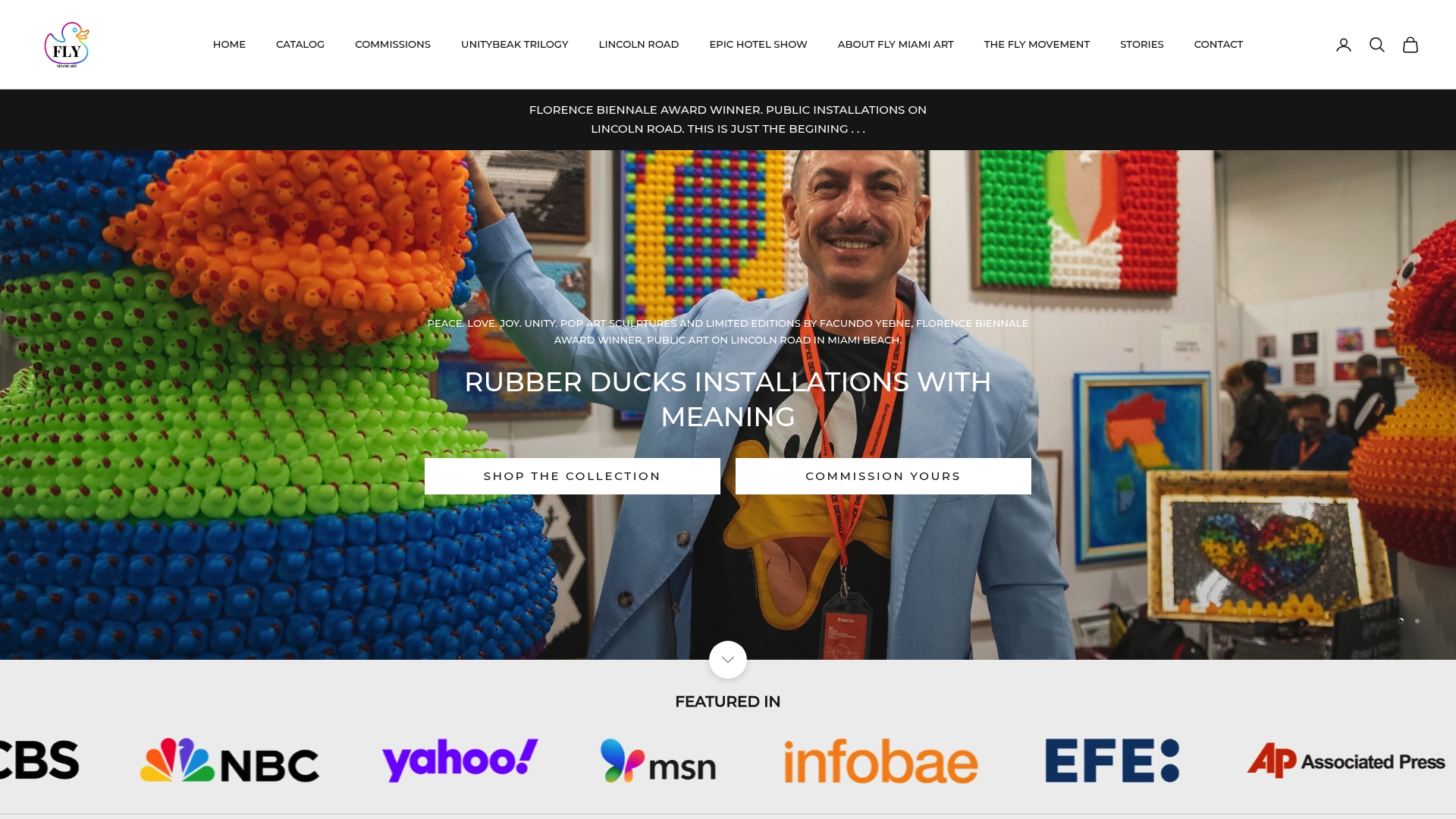
The sculpture collection includes limited edition pieces built for collectors who want works with documented provenance and genuine artistic vision. Flymiami has shown work in prestigious exhibitions and received significant media coverage for its approach to peace and unity themes in pop art. If you are looking for statement pieces that hold their own in any interior, the collection is worth your time.
FAQ
What defines a contemporary pop art sculpture?
A contemporary pop art sculpture is a three-dimensional artwork that draws on popular culture, consumer goods, or mass media imagery, typically rendered in bold colors and varied materials. The form extends the Pop Art movement that emerged in the 1950s and 1960s into current artistic practice.
How do I authenticate a pop art sculpture purchase?
A legitimate piece comes with a Certificate of Authenticity listing dimensions, medium, date, and a unique serial number that matches the physical work. Provenance documentation, including purchase receipts and exhibition records, confirms the work’s history.
What materials are most common in limited edition pop art sculptures?
Resin, bronze, fiberglass, crystal, and mixed media are the most common materials. Material choice affects durability, display requirements, and long-term collector value.
How does edition size affect investment value?
Smaller edition sizes, particularly hand-cast bronze or fiberglass runs under 50 pieces, carry higher collector value than open editions. Edition size and craft origin are two of the primary factors that determine a sculpture’s market position.
What are the red flags when buying a pop art sculpture online?
Anonymous sellers, missing serial numbers, absent condition reports, and prices well below market value are the main warning signs. Reputable dealers with trade association membership reduce the risk of purchasing a fake or unauthorized reproduction significantly.