10 Corporate Art Collection Ideas: Budgets, Placement, and UV Glow
The strongest corporate art collections mix three things: a commissioned statement piece tied to the brand, a rotating program of local or emerging artists, and at least one high-impact installation people stop to photograph. Skip the safe, forgettable print-and-frame approach. Start with a clear objective, then move to the ideas below, followed by budgeting, installation, and a few real-world models worth studying.
TL;DR:
- A statement commission tied to the company’s mission should be placed at high-visibility areas like the main entrance, with budgets starting around several thousand dollars.
- Incorporating local artists through curated packages supports community goals and should be rotated periodically to maintain engagement and freshness.
- Digital or interactive installations, though more costly, generate significant social sharing and media attention, making them ideal for creating memorable impressions.
- Building an effective collection requires clear objectives, a cohesive narrative, and an art committee, with decisions on commissioning, rotation, and leasing made early based on specific goals.
- Proper management involves strategic placement, regular rotation, detailed cataloging, and careful control of lighting and climate, with insurance and provenance documentation in place.
Table of Contents
- Corporate Art Collection Ideas Worth Considering
- How to Build an Art Strategy: Objectives, Narrative, and Committee
- Budgeting and Procurement: Buy, Commission, or Lease
- Display, Rotation, and Collection Management Basics
- Corporate Art Collections That Got It Right
- Behind the Studio: Facundo Yebne and FLY Miami Art
- What Actually Moves the Needle in Corporate Art
- Commission a Statement Piece With FLY Miami Art
- Where to Go Next for Practical Guidance
- Sources
Corporate Art Collection Ideas Worth Considering
Building a collection works best when each piece earns its place. Here are ten approaches worth weighing before you commit budget.
-
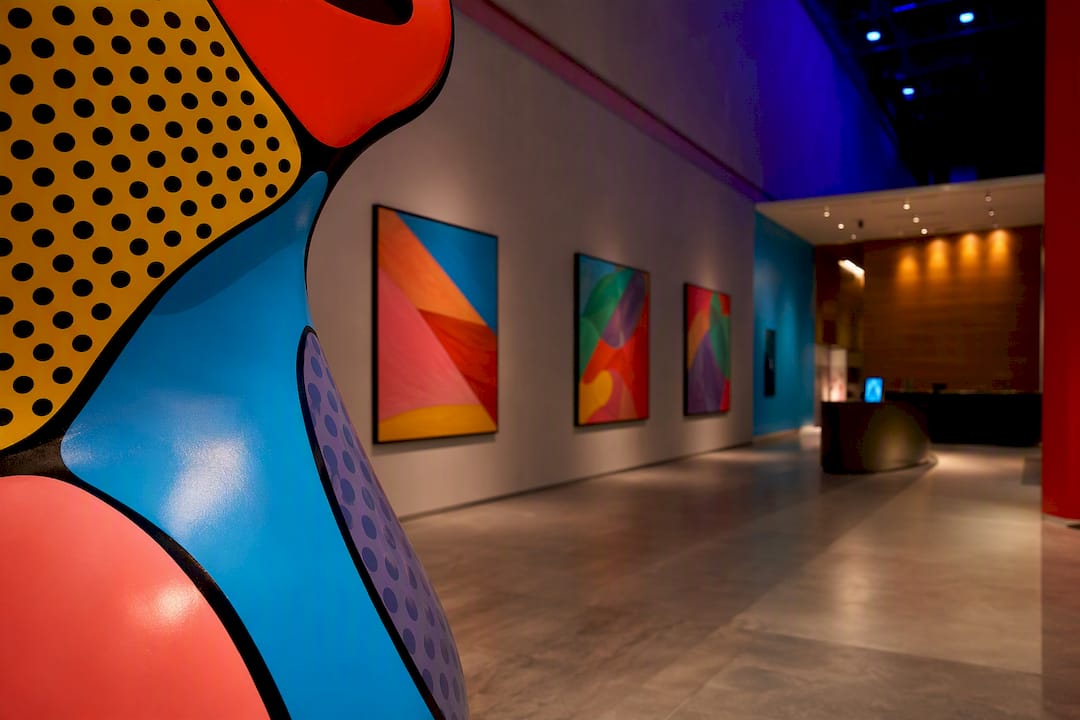
Brand narrative commission. A single statement piece, painted or sculpted around your company’s mission or founding story, anchors a lobby or executive floor. Best near the main entrance where clients form a first impression. Budgets can vary widely, starting from moderate amounts for smaller canvases to substantial sums for large-scale sculptural works. Commission timelines of three to six months are typical, so brief early.
-
Local-artist packages. Curated groupings from artists based near your headquarters support community-outreach goals and give visiting clients a sense of place. Works well in cafeterias, hallways, and shared lounges. Rotate art periodically to maintain active relationships with artists and freshness in the collection.
-
Nature-themed photo or print walls. Landscape and botanical photography reduces visible stress in high-traffic corridors and waiting areas, and it appeals to nearly everyone regardless of taste. Inexpensive to start, prints are available at accessible price points, often allowing for easy reframing later.
-
Abstract anchors for creative teams. Bold abstract works near design, marketing, or R&D floors signal permission to think differently. Place where teams brainstorm, not where clients wait.
-
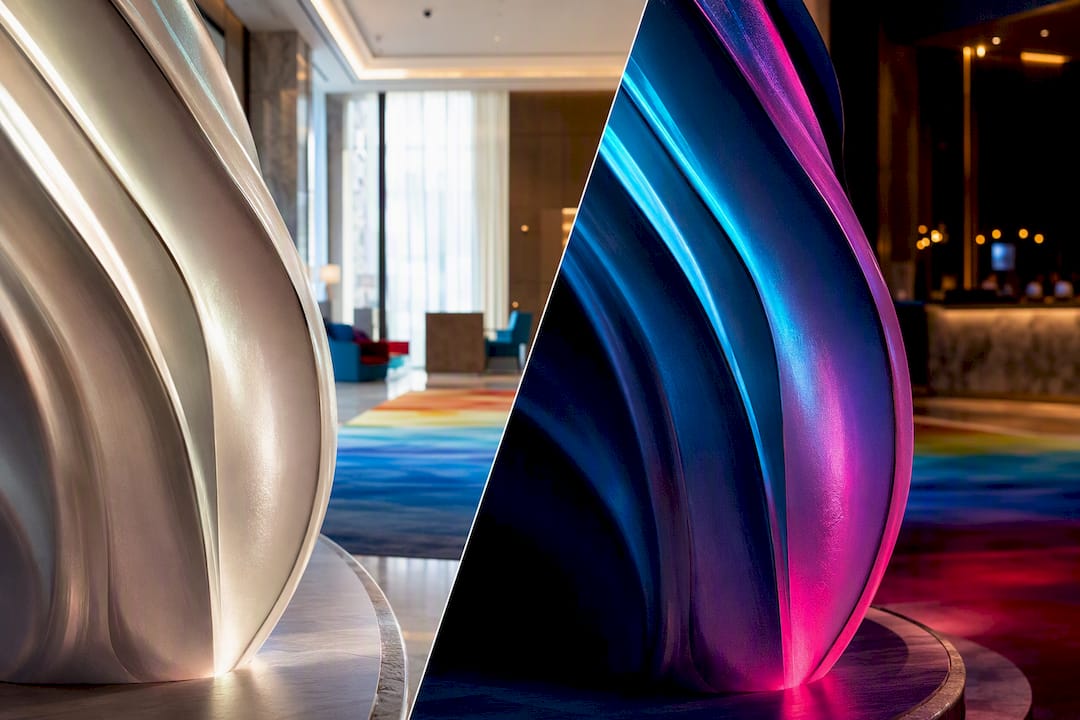
Immersive interactive or digital installations. LED walls, motion-responsive pieces, and blacklight-reactive sculptures create the kind of engagement a static print never will. These installations can be more costly depending on scale and technology involved, but they generate the most social sharing and press mentions of any category on this list.
-
Sculptural lobby focal points. A freestanding sculpture near the entrance becomes a landmark employees use as a meeting spot. Structural and lighting needs should be planned with your architect, not bolted on afterward.
-
Modular gallery walls. Track-hung systems let facilities swap works without new drilling or patching, which makes quarterly rotation realistic instead of aspirational.
-
Employee-curated exhibitions. Inviting staff to submit or vote on pieces for a shared wall builds buy-in cheaply and doubles as an internal culture initiative.
-
Temporary pop-ups for events. Short-term installations timed to product launches or client visits let you test bolder concepts without permanent commitment.
-
Themed series supporting DEI or ESG goals. A rotating series spotlighting underrepresented artists or environmental themes gives you measurable diversity and sustainability talking points for reporting purposes.
How to Build an Art Strategy: Objectives, Narrative, and Committee
Before buying anything, write down what the collection is supposed to do. Common objectives include:
- Reinforcing brand tone for clients (measured by visitor feedback or survey scores)
- Supporting employee wellbeing (measured by engagement surveys or space-usage data)
- Signaling ESG commitment through artist diversity (measured against stated diversity targets)
- Strengthening local community ties (measured by press mentions or partnership counts)
Once objectives are set, write an art narrative, a short brief answering four questions: What story does the space need to tell? Which colors, materials, or themes connect to the brand? Which spaces get priority? What tone should be avoided? A coherent narrative turns scattered purchases into something cohesive rather than a random hallway of unrelated pieces.
Assign an art committee: someone from facilities, one from HR or culture, one from marketing, and a senior sponsor with budget authority. Meet quarterly.
Pro Tip: Decide early whether you want one big commission, a rotating series, or a print program. A single showpiece works for a lobby; a series works for long hallways where repetition builds identity over time.
Budgeting and Procurement: Buy, Commission, or Lease
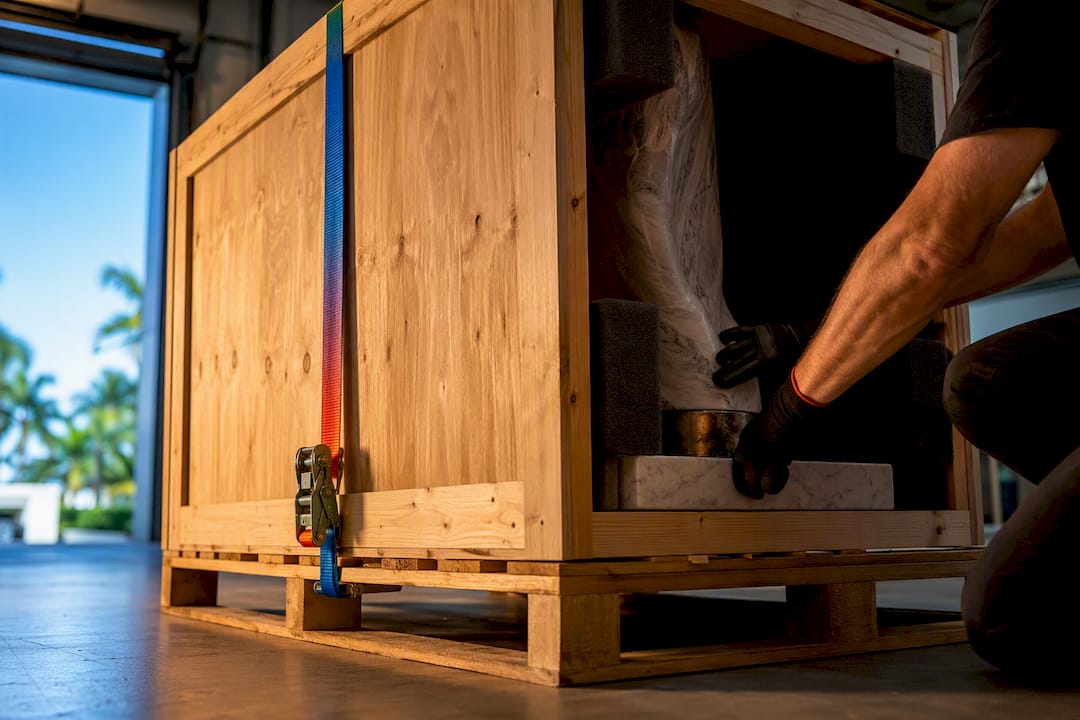
Prints and open editions run $200 to $2,000 and fit budget-conscious pilots. Limited editions land between $2,000 and $15,000. Full commissions or large installations start around $15,000 and climb well past six figures for site-specific sculptural work. Buying outright suits finished pieces you know you want long-term. Commissioning fits when you need something that matches your exact space and story. Leasing suits companies wanting frequent rotation without owning inventory, though it limits customization.
Contracts should always specify:
- Deliverables and final dimensions
- Installation timeline and site logistics
- Transport and handling responsibility
- Insurance coverage during transit and display
- IP and usage rights for photography or marketing
- Provenance documentation retained by the buyer
For commissions above roughly $25,000, run a short RFI or RFP covering site specs, sightlines, and lighting constraints before selecting a vendor.
Display, Rotation, and Collection Management Basics
Place large pieces where sightlines are longest, lobbies and stairwells, and save smaller, detailed work for boardrooms and offices where people sit close and linger. Circulation spaces reward bold color; collaboration rooms do better with calmer, abstract pieces.
Rotate quarterly or by season if budget allows; even swapping two or three pieces keeps a space feeling current. Maintain a simple management system:
- Catalog each piece with artist, date, and value
- Keep provenance and condition reports on file
- Insure works separately from general property coverage
- Control lighting and climate near sensitive materials
- Schedule annual maintenance checks
For public-facing areas, avoid nudity, violence, or politically divisive imagery that could alienate clients or staff.
Pro Tip: Photograph every piece before installation. It settles insurance disputes fast and gives you a rotation reference when planning the next swap.
Corporate Art Collections That Got It Right
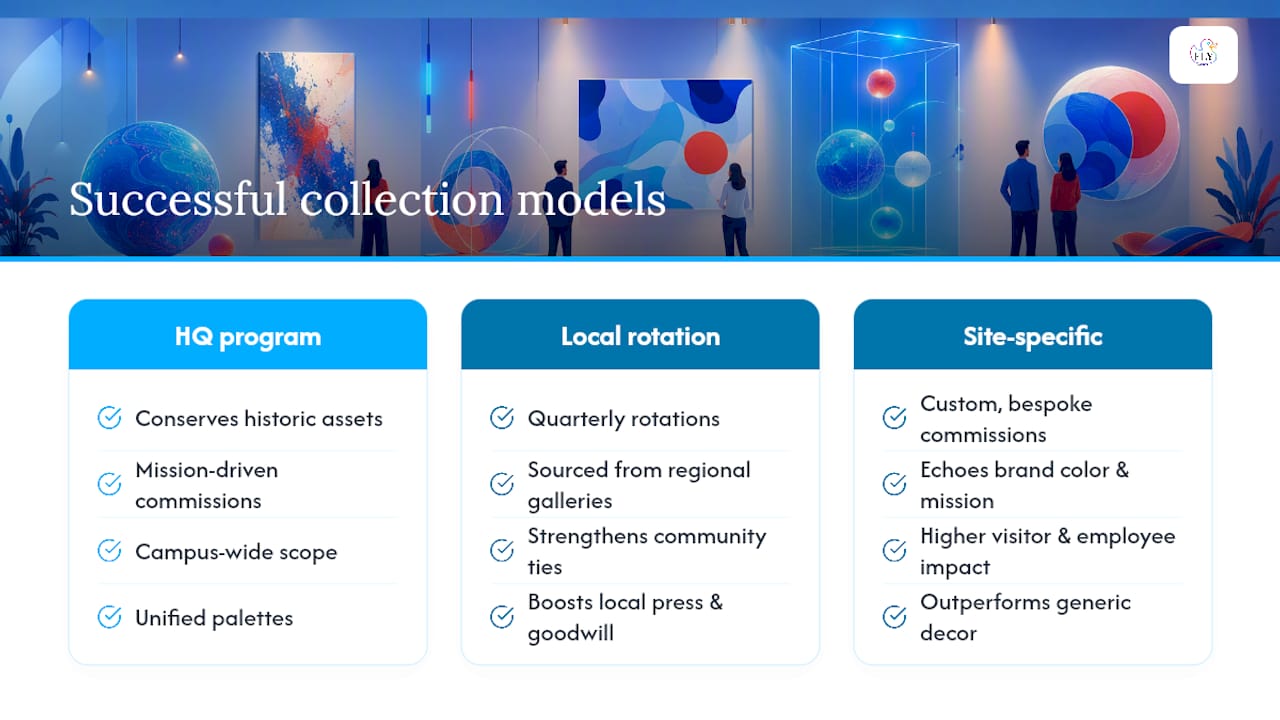
One well-documented headquarters program paired conservation of historic assets with new mission-driven commissions across its campus, using architecture-matched palettes to unify decades of acquisitions into one coherent civic narrative.
Another common model centers on a rotating local-artist series designed to strengthen community ties and support CSR messaging. The objective is straightforward: connect the business to its city. The approach usually involves quarterly rotations sourced from regional galleries or open calls. The observable outcome tends to be stronger local press coverage and improved goodwill among community stakeholders, exactly the kind of soft metric that strengthens ESG reporting when documented consistently.
Bespoke, site-specific commissions that echo brand color and mission consistently outperform generic decor when the goal is visitor and employee impression.
Behind the Studio: Facundo Yebne and FLY Miami Art
Facundo Yebne is an award-winning artist known for pop art sculpture and wall pieces built with UV-reactive materials that reveal hidden patterns under blacklight. FLY Miami Art delivers wall art, sculpture, and full immersive glow installations through a straightforward process: brief, concept, production, install. Corporate clients typically move from first conversation to a finished commission within a few months, depending on scale.
What Actually Moves the Needle in Corporate Art
Most corporate art advice stops at “buy something that matches the lobby.” That’s the wrong bar. A collection either does work for the business, telling a story, softening a client’s first impression, giving employees something to talk about, or it’s expensive wallpaper.
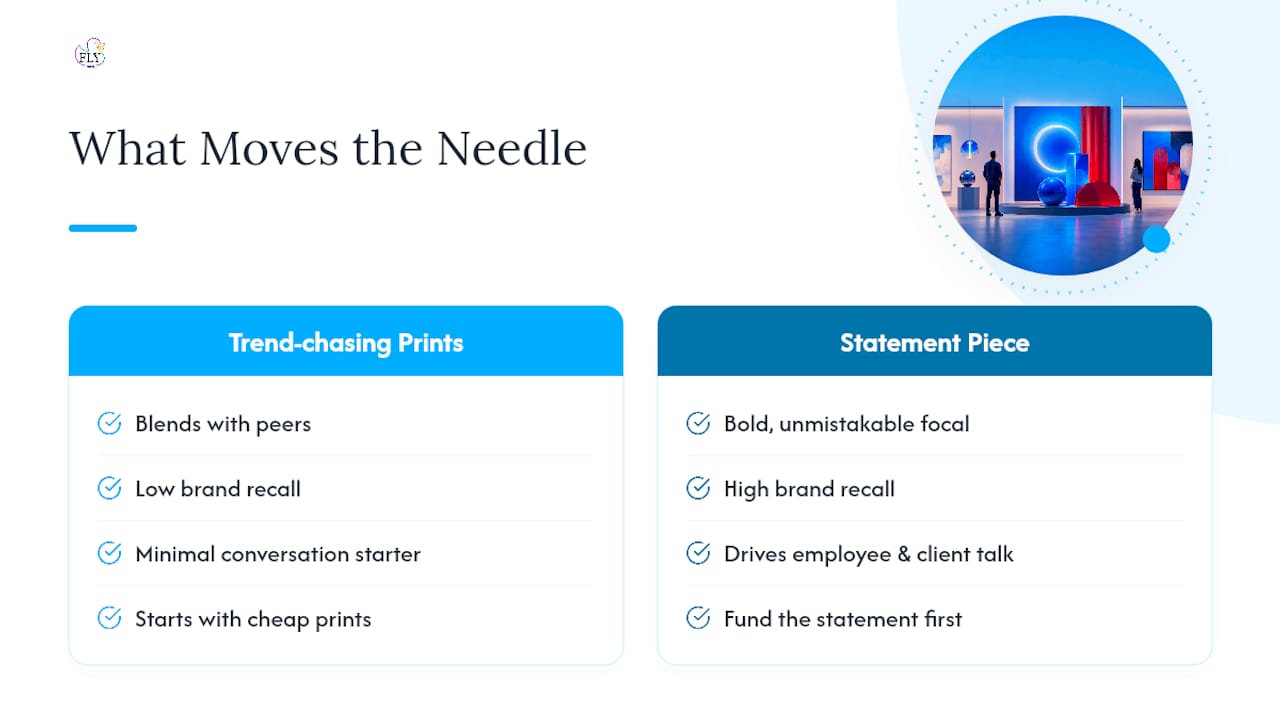
The overrated move is chasing trend pieces because a competitor’s office has something similar. The underrated move is picking one bold, unmistakable piece and letting it carry the whole floor. A single UV-reactive sculpture that glows differently after dark does more for brand memory than six safe abstract prints ever will, because people talk about what surprises them, not what blends in.
If I had one piece of advice for a committee starting from zero: fund the statement piece first, then fill in around it. Budget-driven collections that start with prints and hope to “build up” to something meaningful rarely get there. Ambition upfront sets the tone for everything that follows.
— Facundo
Commission a Statement Piece With FLY Miami Art
If your committee is ready to move past prints and into something no visitor will forget, FLY Miami Art builds the exact kind of brand-defining commission this guide describes: UV-reactive sculpture and wall art that reveals hidden color and pattern under blacklight, designed around your space and story rather than pulled off a shelf.
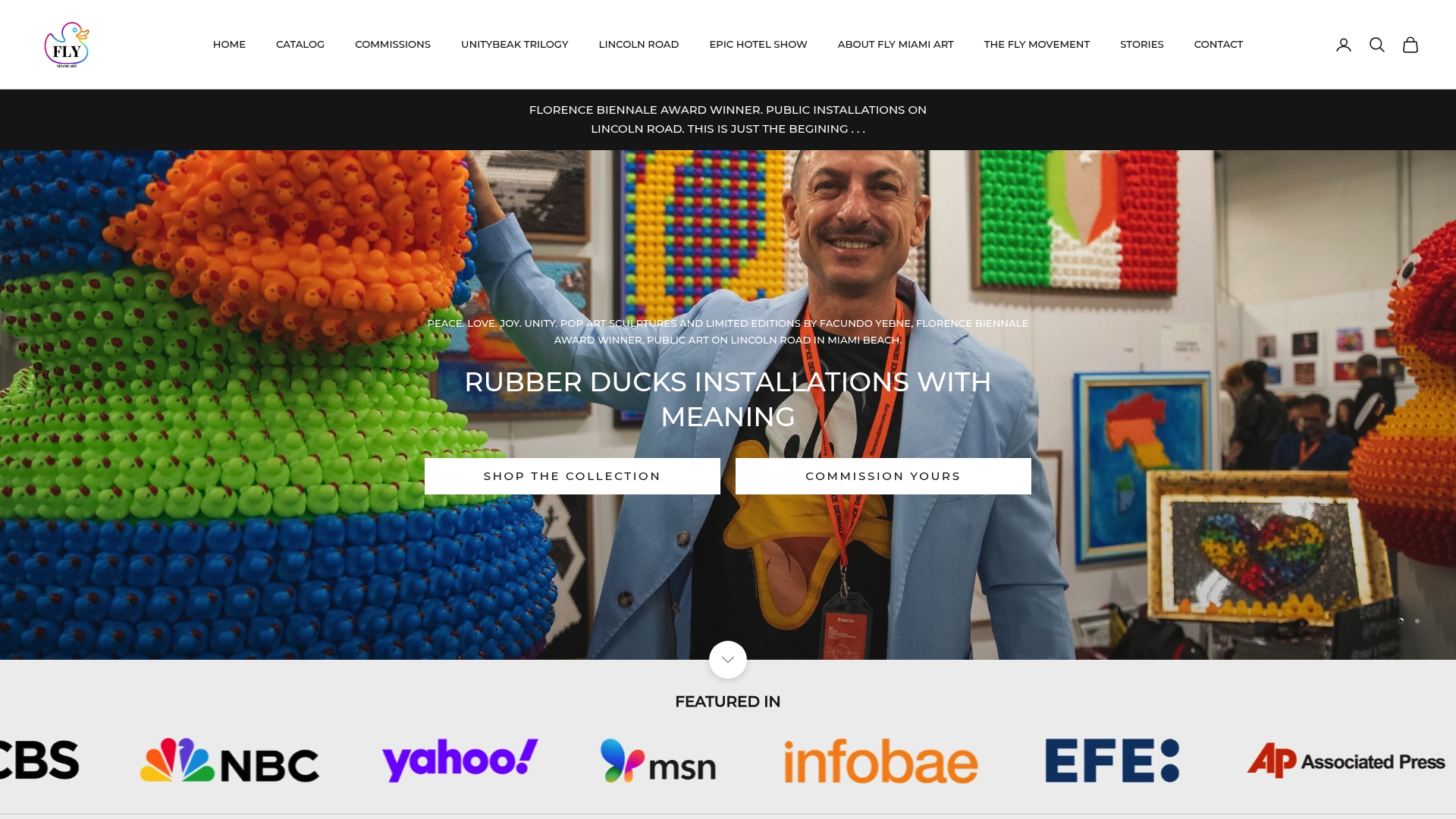
Explore the UV glow art collection for immersive pieces suited to lobbies and event spaces, or browse sculpture for freestanding focal points. For a fully custom brief, review the studio’s production process and submit your space specs and timeline. Most corporate commissions move from initial consultation to installed piece within a few months, giving your committee a concrete date to plan around.
Where to Go Next for Practical Guidance
For deeper reading on procurement and management: Onward’s practical guide covers objective-setting, Artwork Archive’s consultant advice covers content sensitivity, and Art Pharmacy’s guide covers commission briefs.
Sources
- Art in the workplace: a practical guide for corporate collectors | Onward
- Advice from art consultants: How to build a corporate collection | Artwork Archive
- Bespoke office art that elevates brand, culture and experience | CommissionIt