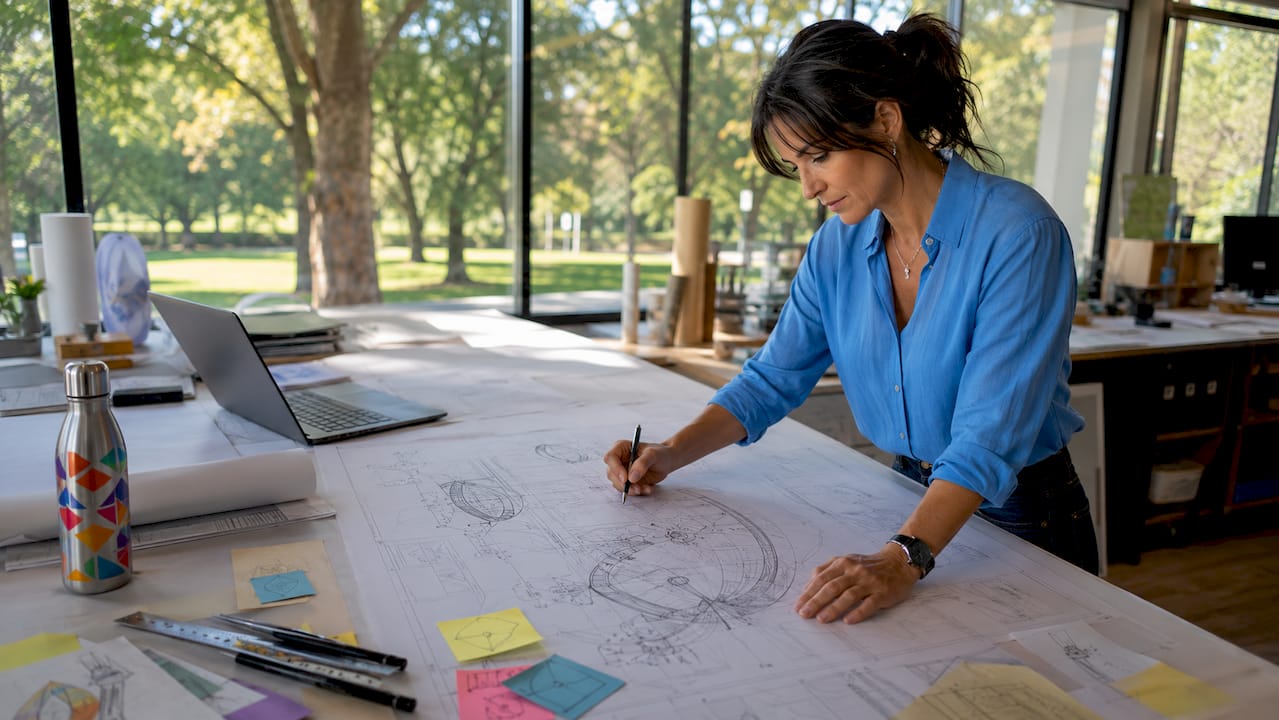
Structural Engineering for Public Sculpture: 2026 Guide
Structural engineering for public sculpture is the specialized discipline of designing safe, stable frameworks that allow large-scale artworks to withstand real-world environmental loads without compromising artistic vision. Artists and architects working on public commissions must understand this field because it sits directly between creative concept and physical reality. The public sculpture design process requires engineers to verify that a sculpture can handle wind pressure, seismic activity, and the weight of its own materials before a single piece is fabricated. Structural engineering is not a bureaucratic hurdle. It is the technical foundation that makes ambitious, monumental art possible.
What is structural engineering for public sculpture?
Structural engineering for public sculpture is the application of load analysis, material science, and code compliance to three-dimensional artworks installed in publicly accessible spaces. The industry term is structural engineering for art installations, though “public sculpture engineering” is widely used across fabrication and permitting workflows. Both terms describe the same core practice.
The discipline covers three non-negotiable outcomes: the sculpture must not collapse, it must not move dangerously under load, and it must remain safe for the public throughout its intended lifespan. Structural engineers manage risk across the entire lifecycle of a sculpture, from initial design through operation and future maintenance. That lifecycle responsibility is what separates a structural engineer from a general fabricator.
Regulatory bodies and review panels require engineers to demonstrate compliance with recognized standards. In Europe, Eurocode governs load calculations. In the United States, local building codes and the International Building Code set the baseline. These standards are not optional. Public art installed without certified structural review exposes artists, architects, and municipalities to serious liability.
What technical processes do engineers use for public sculptures?
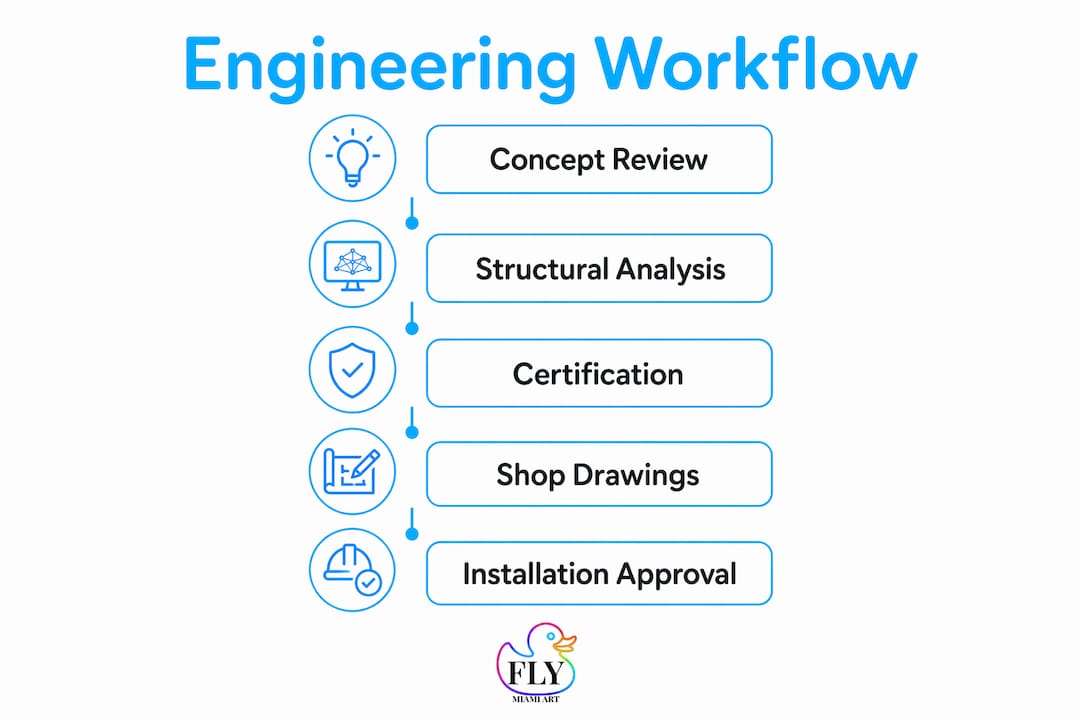
The core technical workflow begins with structural analysis and ends with signed certification documents. Between those two points, engineers apply several specialized methods.
Finite element modeling (FEM) is the most widely used analysis technique for non-standard sculpture geometries. FEM divides a complex three-dimensional form into thousands of small elements and calculates how stress, strain, and deformation distribute across the entire structure under load. A sculpture shaped like a cantilevered figure or an asymmetric arch cannot be analyzed with simple hand calculations. Finite element modeling and Eurocode load verification are the standard tools for ensuring safety and compliance in complex forms.
Site-specific environmental loads are calculated separately and then applied to the FEM model. These include:
- Wind loads: calculated based on the sculpture’s height, surface area, and local wind speed data
- Seismic loads: required in earthquake-prone regions, applied as lateral forces across the structure
- Dead loads: the self-weight of all materials, including internal armatures, cladding, and coatings
- Live loads: any dynamic forces, such as people leaning against or climbing on the sculpture
Once analysis is complete, the engineer produces a set of signed calculations. These documents verify that every structural member meets the required safety factors under the governing code. Signed calculations and certificates of structural integrity are prerequisites for installation approval in most jurisdictions.
Pro Tip: Request a preliminary FEM review during the concept phase, before detailed design begins. Catching a structural problem at the sketch stage costs a fraction of what it costs to fix during fabrication.
How does structural engineering integrate with artistic design?
The engineer’s role in the public sculpture design process is that of a technical interpreter. Engineers translate artistic intent into safe, buildable structures without forcing the artist to abandon the original vision. This requires genuine collaboration, not a one-way review at the end of the design process.
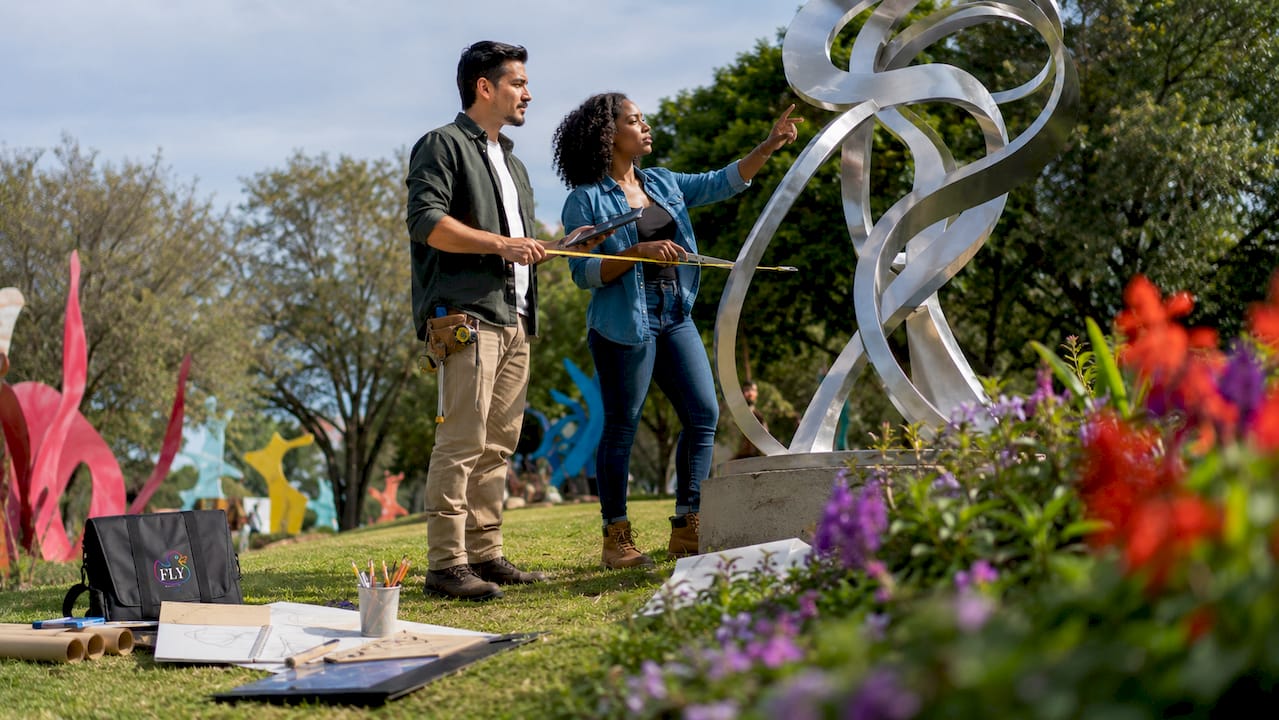
Artists often assume that structural requirements will force them to simplify their work. The opposite is true when engineers are involved early. Early collaboration between artists and engineers enables design optimization that preserves artistic intent while improving material efficiency and structural safety. An engineer who understands the creative goals can propose internal armature solutions that are invisible from the outside, keeping the sculpture’s surface exactly as the artist intended.
The most productive integration follows a clear sequence:
- Concept review: The engineer reviews early sketches or 3D models to flag structural risks before the design is locked.
- Feasibility analysis: The engineer assesses material choices, connection points, and geometry against code requirements.
- Iterative refinement: Artist and engineer exchange revised drawings until the design is both visually correct and structurally sound.
- Final certification: The engineer produces signed calculations and certifies the design for fabrication and installation.
A common misconception is that structural engineering only matters for very large sculptures. Any artwork installed in a public space, regardless of size, requires at least a basic structural review. A two-meter stainless steel figure in a plaza faces wind loads, thermal expansion, and vandalism forces that a studio piece never encounters.
Structural engineering bridges artistic freedom with industrial production logic by translating free-form concepts into technical, buildable specifications. This is what makes public liability compliance possible without sacrificing design ambition.
What site challenges affect structural engineering for public sculptures?
Site conditions introduce engineering variables that no studio analysis can fully predict. The sculpture’s foundation is often the most technically demanding element of the entire project.
Foundation anchorage must transfer all loads from the sculpture into the ground or supporting structure below. In a park setting, this typically means a concrete footing designed to resist both vertical compression and lateral overturning forces from wind. In an urban plaza, the engineer must assess whether the existing slab or underground utilities can accept the additional load. Site-specific engineering considerations include foundation anchorage, interaction with existing structures, and installation logistics, all of which can affect project costs and timelines significantly.
Key site factors that drive engineering complexity include:
- Existing underground infrastructure: water mains, electrical conduits, and drainage systems that limit footing depth or location
- Building facade attachments: sculptures mounted to walls require the engineer to verify the facade’s load capacity
- Installation access: large sculptures may require cranes, temporary supports, or phased assembly, each of which adds structural requirements
- Environmental exposure: coastal sites introduce salt corrosion; high-altitude sites face UV degradation and extreme temperature swings
Pro Tip: Commission a geotechnical report for any ground-mounted sculpture before finalizing the foundation design. Soil bearing capacity varies dramatically across a single site and can change the entire foundation approach.
Public art installations require mandatory structural review panels that certify sculptures can safely withstand environmental loads. These panels review the engineer’s calculations and site documentation before granting installation approval. Skipping this step is not an option for permanent public installations.
The table below summarizes the most common site challenges and their engineering responses.
| Site challenge | Engineering response |
|---|---|
| Weak or variable soil | Deep pile foundation or spread footing with geotechnical verification |
| Existing underground utilities | Offset footing design or structural bridging above utilities |
| Building facade attachment | Facade load capacity assessment and custom connection design |
| High wind exposure | Increased anchor bolt sizing and dynamic wind load analysis |
| Phased or crane-free installation | Erection sequence engineering and temporary support design |
What deliverables does structural engineering produce?
The structural engineering phase produces a specific set of documents. Each serves a different purpose in the fabrication and approval process.
Shop drawings are highly detailed technical documents that instruct fabricators on exactly how to build the sculpture. They include 2D or 3D specifications for every weld, bolt, and connection. An artistic rendering shows what a sculpture will look like. A shop drawing shows how it will be built. Confusing the two is one of the most common and costly mistakes in public art projects.
Engineering calculations document every load case analyzed and confirm that each structural member meets the required safety factor. Foundation plans show the geometry, reinforcement, and anchor bolt layout for the base. Connection details specify how the sculpture attaches to its foundation and how internal components connect to each other.
The final deliverable is the engineer’s signed certification. This document confirms that the design has been reviewed, analyzed, and found to comply with the applicable structural code. Without it, no reputable fabricator will proceed and no municipality will grant installation approval. Retaining all of these documents after installation is equally important. Structural engineers ensure retention of technical information for maintenance, future refurbishment, and liability audits throughout the sculpture’s operational life.
Key Takeaways
Structural engineering for public sculpture is the non-negotiable technical discipline that converts artistic concepts into safe, code-compliant, permanent installations.
| Point | Details |
|---|---|
| Engineering is mandatory | Any sculpture in a public space requires certified structural review, regardless of size. |
| FEM is the standard tool | Finite element modeling calculates stress and load paths for non-standard sculpture geometries. |
| Early collaboration saves money | Involving engineers at the concept stage prevents costly redesigns during fabrication. |
| Site conditions drive complexity | Foundation design, soil quality, and existing infrastructure directly affect engineering scope and cost. |
| Documentation enables approval | Signed calculations, shop drawings, and foundation plans are required for fabrication and installation permits. |
Why I think artists underestimate engineering until it’s too late
The most expensive mistake I see in public art projects is treating structural engineering as a final checkbox rather than a creative partner. Artists spend months refining a form, then hand it to an engineer two weeks before the fabrication deadline. The engineer finds a problem. The redesign costs more than the original engineering fee would have.
The fear that engineering will “kill” a design is almost always wrong. Artists often fear structural engineering will limit creativity, but in reality, it enables more ambitious and efficient designs when integrated early. I have seen engineers propose internal solutions that made a sculpture lighter, cheaper to fabricate, and structurally superior, all without changing a single visible surface.
What I find most interesting is how the relationship between artists and engineers has shifted. A decade ago, the engineer was called in to “approve” a finished design. Now, the best projects treat the engineer as a co-designer from the first sketch. That shift produces better art and fewer surprises on site.
My recommendation for any artist or architect starting a public commission: bring your engineer into the room when you are still drawing on paper. Show them the rough concept, not the finished model. The conversation you have at that stage is worth more than any analysis run on a locked design.
For artists working at the intersection of structural ambition and artistic vision, exploring large-scale art installation practices is a practical next step toward understanding what engineering actually enables.
— Facundo
Flymiami sculptures: where engineering meets artistic vision
Flymiami, led by award-winning artist Facundo Yebne, creates handcrafted pop art sculptures that demonstrate what happens when artistic ambition and thoughtful construction come together. Each piece is designed with the physical demands of real-world display in mind, from gallery walls to large-scale public settings.

If you are an artist, architect, or collector looking for reference points in structurally considered public art, the Flymiami sculpture collection offers a range of works that balance visual impact with material integrity. For projects that require bold, space-defining pieces, the statement pieces collection showcases works built to hold their presence in demanding environments. Art consulting services through GEAMS SG can also help connect artists and architects with the right creative and technical partners for public commissions.
FAQ
What is structural engineering for public sculpture?
Structural engineering for public sculpture is the discipline of analyzing and certifying that a sculpture can safely withstand environmental loads, including wind, seismic forces, and self-weight, in a publicly accessible space. It produces the signed calculations and shop drawings required for fabrication and installation approval.
Why is structural engineering required for public art?
Public sculptures must meet building code requirements and pass review by structural panels before installation. Without certified engineering documentation, municipalities will not grant installation permits and fabricators cannot proceed with production.
What is finite element modeling in sculpture engineering?
Finite element modeling (FEM) is a computer-based analysis method that divides a complex sculpture geometry into thousands of small elements and calculates how stress and deformation distribute under applied loads. It is the standard tool for analyzing non-standard sculptural forms that cannot be evaluated with simple hand calculations.
When should an artist involve a structural engineer?
An artist should involve a structural engineer at the concept stage, before the design is finalized. Early involvement allows the engineer to flag structural risks and propose solutions that preserve the artistic vision while meeting code requirements, reducing the risk of costly redesigns later.
What documents does structural engineering produce for a public sculpture?
Structural engineering produces signed engineering calculations, shop drawings, foundation plans, connection details, and a certificate of structural integrity. These documents are required for regulatory approval and must be retained for the life of the installation to support maintenance and future audits.