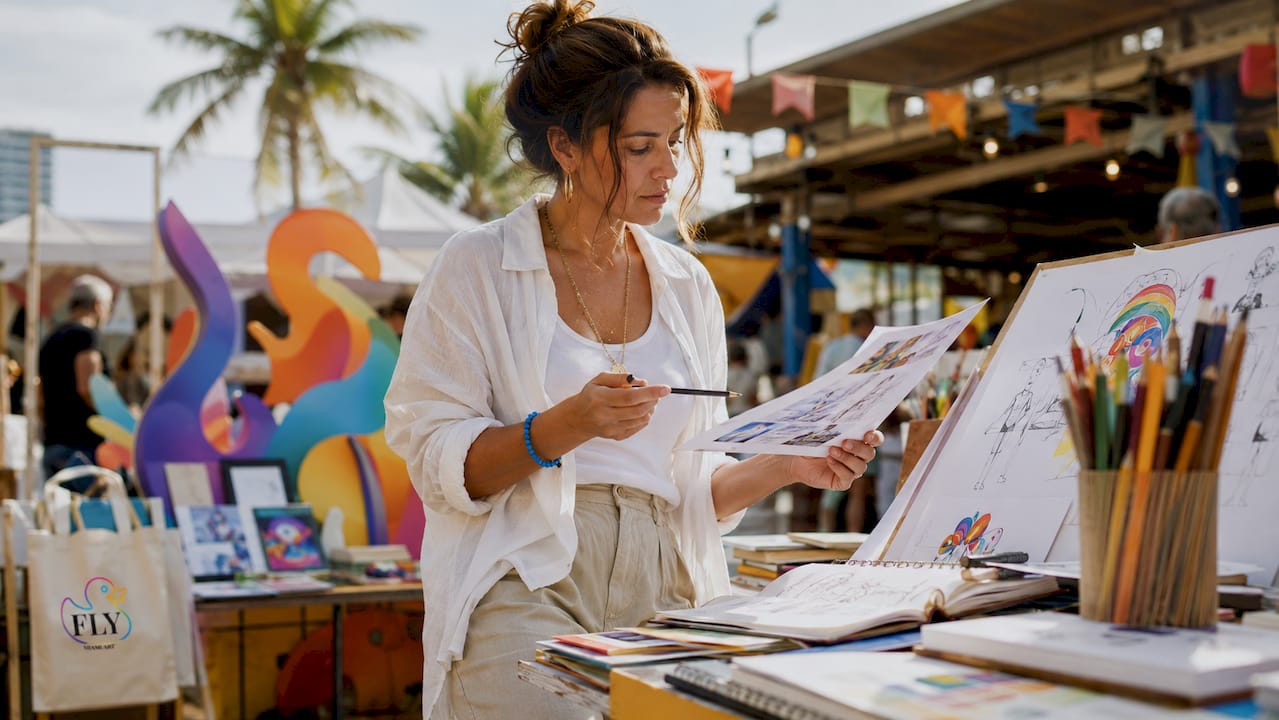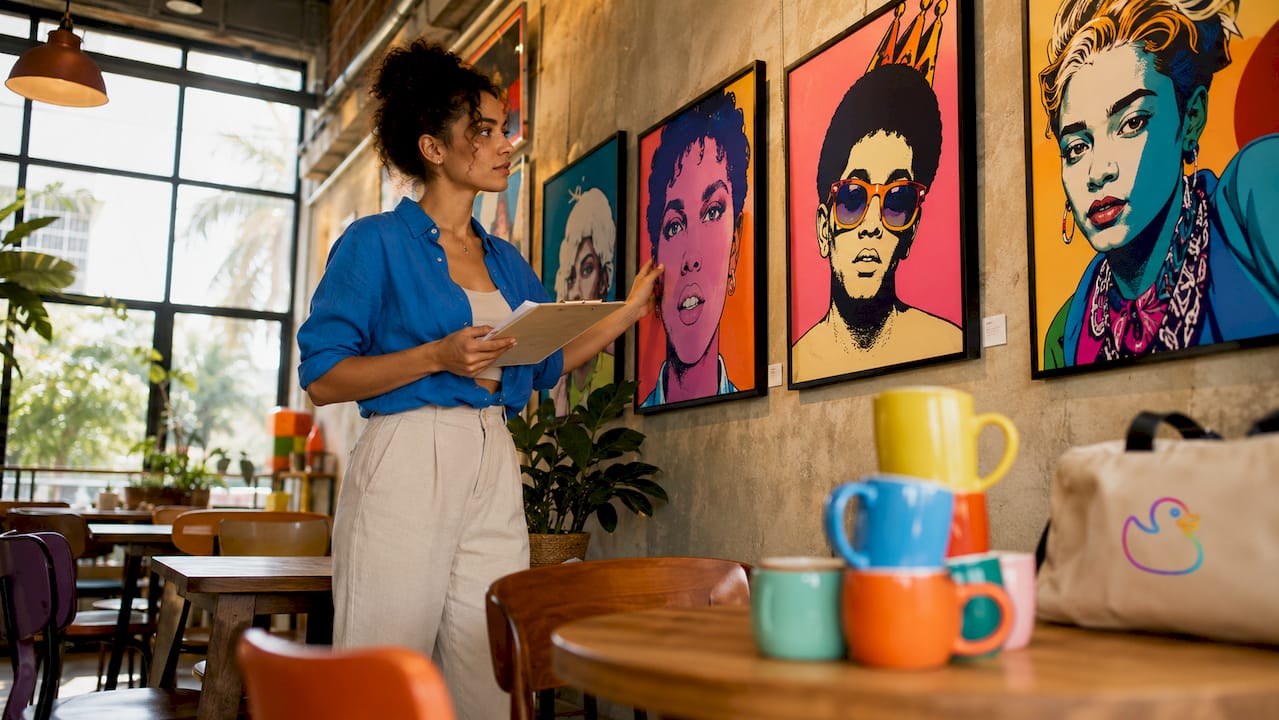
Why Pop Art Champions Marginalized Voices in Culture
Pop Art is defined as an art movement that amplifies marginalized voices by collapsing the divide between high art and everyday visual culture. Emerging in the mid-1950s and gaining full force through the 1960s, it rejected the gatekeeping of Abstract Expressionism and placed comics, advertisements, and mass media imagery at the center of serious artistic discourse. That shift was never just aesthetic. It created a new visual language accessible to communities historically excluded from fine art institutions. Figures like Andy Warhol and Keith Haring used that language to make queer identities, racial justice, and grassroots activism visible in gallery spaces that had long ignored them. Understanding why pop art champions marginalized voices means understanding how a movement built on popular culture became one of the most politically charged forces in modern art history.
Why pop art champions marginalized voices: the historical case
Pop Art’s power to represent excluded communities did not appear by accident. It grew directly from the social and institutional conditions of postwar America and Britain. Fine art institutions in the 1950s operated as gatekeepers, favoring work that required expensive education and cultural fluency to appreciate. Abstract Expressionism, the dominant movement of the era, demanded exactly that kind of insider knowledge. Pop Art’s challenge to elitism was to replace that insider vocabulary with images everyone already knew: soup cans, comic strips, celebrity photographs, and billboard graphics.
The British Independent Group, active in London in the early 1950s, was among the first to treat mass media imagery as legitimate artistic material. American artists then pushed that premise further, arguing that the visual language of consumer culture was the authentic language of modern life. That argument had a radical implication. If everyday imagery counted as art, then the people who lived inside that everyday culture, including working-class communities, queer people, and people of color, had as much claim to the art world as any trained academic painter.
- Pop Art used comics, advertisements, and product packaging to collapse the high/low culture divide.
- The movement directly opposed art institutions that required expensive cultural education to participate.
- By centering mass media imagery, Pop Art opened the door for identities previously invisible in gallery spaces.
- The British Independent Group and American pioneers both contributed to this democratic shift.
Pro Tip: When you encounter Pop Art in a gallery, ask whose visual culture the work is drawing from. The answer reveals whose identity the artist is centering.
How did Warhol use Pop Art to spotlight queer identity?
Andy Warhol built a queer grammar into the core mechanics of Pop Art. His use of celebrity codes and mechanical reproduction was not neutral documentation. It was a deliberate strategy for making identities visible that mainstream culture refused to acknowledge. Warhol understood that repetition and mass reproduction could strip away the shame attached to marginalized figures and reframe them as icons worthy of the same visual treatment as Marilyn Monroe or Elvis Presley.
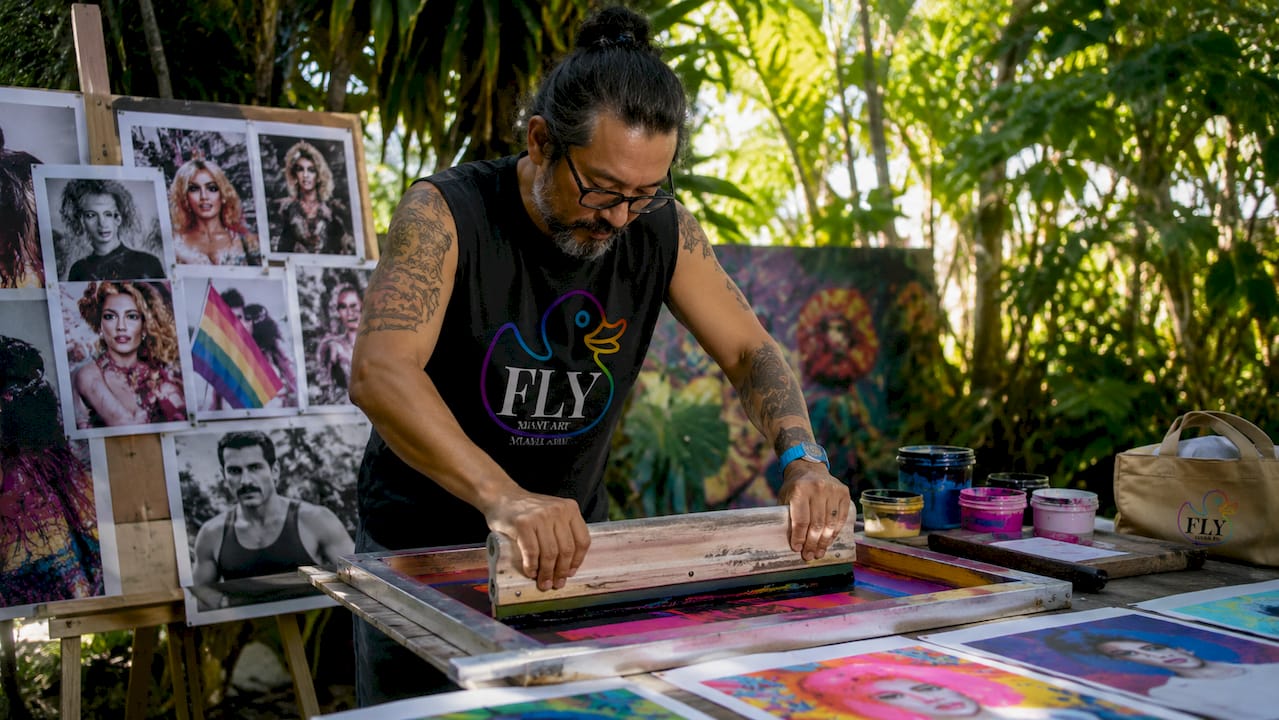
His “Ladies and Gentlemen” series, created in 1975, featured drag queens and trans women rendered in the same silkscreen portrait format he used for cultural superstars. That formal equivalence was a political statement. It said these figures deserved the same monumental treatment as any celebrated public figure. The series signaled visibility for LGBTQ+ identities decades before mainstream recognition arrived.
The Factory, Warhol’s New York studio, extended this logic into a social model. It became a gathering space for artists, performers, and figures who existed outside conventional society. Drag performers, underground filmmakers, queer poets, and countercultural icons all moved through that space and appeared in Warhol’s work. The Factory gave marginalized figures a platform and a degree of cultural legitimacy that the mainstream art world denied them.
“Warhol’s queering of mass culture critiques the fixedness of identity and highlights the construction of selfhood via media images, a practice now common in contemporary social media culture.”
That insight matters because it connects Warhol’s 1960s experiments directly to how identity works online today. The logic of performing selfhood through curated images, which Warhol pioneered, is now the default mode of self-presentation on Instagram and TikTok.
- Warhol used mechanical reproduction to strip shame from marginalized identities and reframe them as cultural icons.
- The “Ladies and Gentlemen” series gave drag queens and trans women the same monumental portrait treatment as mainstream celebrities.
- The Factory created a physical and social space where queer and countercultural figures gained visibility.
- Warhol’s performative approach to identity anticipated how social media users construct public selfhood today.
The Factory’s visibility was not fully egalitarian, however. Warhol controlled the aura and machinery of fame, meaning that access to visibility was curated and sometimes precarious. Some figures who passed through the Factory gained lasting recognition. Others were used as raw material and discarded. That tension between empowerment and exploitation runs through Pop Art’s entire relationship with marginalized communities.
Pro Tip: Read about the Factory’s social dynamics alongside Warhol’s artwork. The art makes more sense when you understand who was in the room and who controlled the door.
How did Keith Haring use art for social justice?
Keith Haring built his practice on the premise that art belongs in public space, not just galleries. His collaboration with ACT UP to combat HIV/AIDS stigma produced some of the most recognizable activist imagery of the 20th century. The “Silence = Death” posters combined his accessible visual language with urgent political content, reaching audiences that traditional fine art never could. Haring understood that a bold, simple image on a subway wall or a protest banner carried more political weight than a painting in a Chelsea gallery.
His approach pioneered what you might call the multi-hyphenate activist model: artist, brand, and social advocate operating simultaneously. Haring used commercial partnerships to fund community projects while keeping his political messaging intact. That balance was difficult to maintain, and the tension between his populist aesthetics and radical content has only grown since his death in 1990.
- Haring’s public murals and street art reached communities that galleries excluded.
- His ACT UP collaborations made HIV/AIDS activism visually legible to mass audiences.
- He used commercial partnerships to fund grassroots community work.
- His model directly influences contemporary activist artists who navigate art, branding, and social causes.
The sanitization risk is real and ongoing. Brands that license Haring’s imagery often emphasize his colorful, inclusive aesthetic while omitting the HIV/AIDS activism context entirely. That selective use strips the work of its political urgency and turns a radical statement into a cheerful consumer product. The Keith Haring Foundation actively works to balance commercial partnerships with the preservation of his activist legacy, but the pressure to commodify is constant.
The connection between public art and social movements that Haring exemplified remains one of Pop Art’s most important contributions to social justice discourse. His work proved that aesthetic appeal and political urgency are not opposites. They reinforce each other.
What are the limits of Pop Art’s representation?
Pop Art’s record on representation is genuinely mixed. The movement created real openings for marginalized voices, but it also reproduced many of the exclusions it claimed to oppose. Yayoi Kusama is the clearest example. She received more press coverage than Warhol in 1968, yet contemporary critics sidelined her work and her name disappeared from the dominant Pop Art narrative for decades. Her sidelining reflects systemic biases in art criticism that favored male, Western figures regardless of actual cultural impact.
Kusama’s work also illustrates something important about what marginalized artists bring to a movement. Her ability to blend abstract, feminist, and psychically driven contexts added layers of meaning that went far beyond Pop Art’s commodity critique. Excluding her did not just erase a person. It impoverished the movement’s intellectual range.
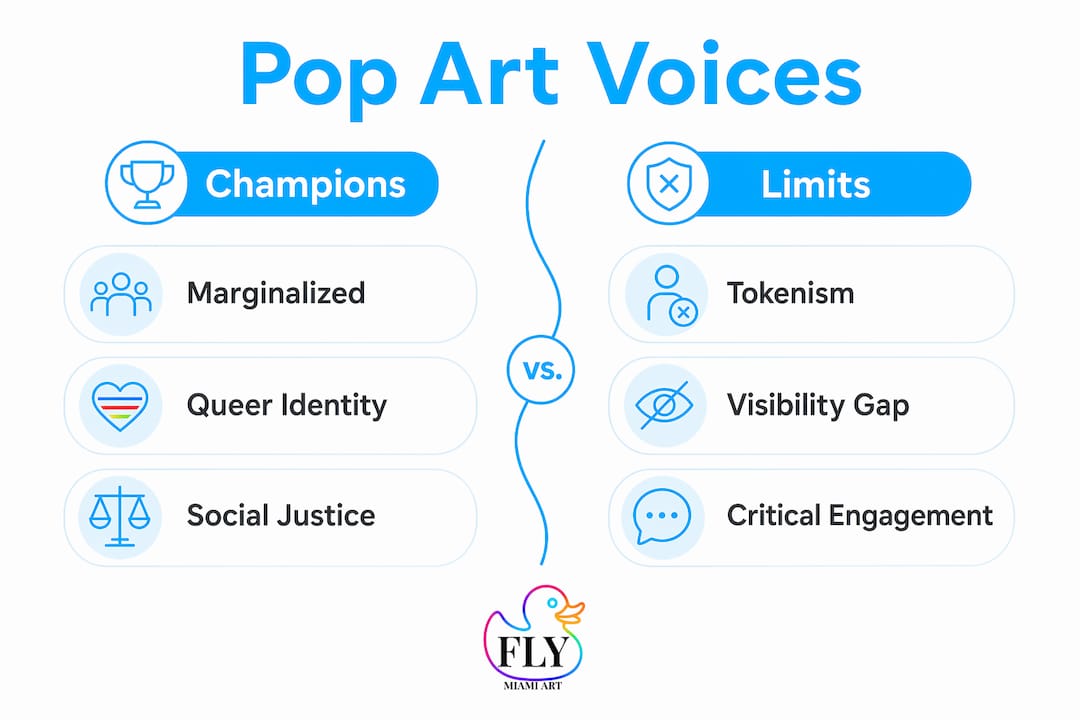
The distinction between token representation and genuine inclusion is critical here. True inclusion means marginalized voices become co-creators of cultural knowledge, not just subjects or decorative additions to a movement controlled by others. Pop Art often stopped short of that standard. Warhol’s Factory gave marginalized figures visibility, but Warhol retained control of the narrative. Haring’s activism was genuine, but the commercial machinery around his legacy now threatens to reduce his work to a brand.
Pro Tip: When studying Pop Art history, actively seek out artists who were present but written out of the dominant narrative. Kusama is the most famous example, but she is not the only one.
The gap between visibility and epistemic inclusion matters for how you evaluate any art movement’s claim to champion marginalized voices. Visibility is necessary but not sufficient. The question is whether marginalized artists shape the movement’s meaning or simply appear within a framework others control.
How does Pop Art’s legacy shape cultural inclusion today?
Pop Art’s visual language remains integral to contemporary culture, influencing identity performance, celebrity culture, and activist art in ways that are impossible to separate from the movement’s original social intentions. Warhol’s aesthetics live on in drag culture, fashion, music videos, and social media personas. That inheritance is not superficial. It carries the original logic of using popular imagery to construct and assert identity.
- Contemporary artists draw on Pop aesthetics to tell stories about race, gender, and sexuality that mainstream media still underrepresents.
- Social media platforms function as democratic galleries where marginalized creators reach audiences without institutional gatekeeping.
- The intersection of celebrity culture and politics continues to reflect Warhol’s insight that fame is a political instrument.
- Cultural appropriation remains a live tension, with Pop aesthetics sometimes borrowed without credit to the marginalized communities that developed them.
- Music has become one of the most powerful vehicles for this tradition, with artists using sound and identity in ways that directly extend Pop Art’s project.
The ongoing challenge is to recognize marginalized artists as co-creators of cultural knowledge rather than as subjects or inspiration. Pop Art opened that conversation. It did not finish it. The movement’s lasting value lies not in its answers but in the questions it forced the art world to take seriously. Those questions about who gets to make culture, whose images matter, and who controls the narrative remain as urgent in 2026 as they were in 1965. Understanding why Pop Art remains relevant today means understanding that this conversation is still unfinished.
Key Takeaways
Pop Art champions marginalized voices by collapsing cultural hierarchies, but its legacy requires critical engagement to separate genuine inclusion from curated visibility and commercial sanitization.
| Point | Details |
|---|---|
| Pop Art democratized cultural imagery | By using mass media and everyday objects, Pop Art opened art to identities excluded from fine art institutions. |
| Warhol created queer visibility | His “Ladies and Gentlemen” series and Factory model gave LGBTQ+ figures cultural legitimacy decades before mainstream recognition. |
| Haring fused aesthetics with activism | His ACT UP collaborations proved that accessible visual language and radical political content reinforce each other. |
| Kusama’s erasure reveals systemic bias | Despite outpacing Warhol in press coverage in 1968, she was sidelined, exposing how art criticism favored male Western figures. |
| True inclusion requires co-creation | Visibility alone is not enough. Marginalized voices must shape a movement’s meaning, not just appear within it. |
Pop Art’s radical promise, and its unfinished business
I have spent years working at the intersection of Pop Art aesthetics and cultural meaning, and the thing that strikes me most is how often the movement gets reduced to its surface. Bright colors, bold outlines, celebrity faces. People see the style and miss the argument underneath it.
The radical promise of Pop Art was never just about what it looked like. It was about who got to matter. Warhol’s silkscreens of drag queens and trans women were not decoration. They were a direct challenge to a culture that treated those people as invisible or shameful. Haring’s subway murals were not just public art. They were a refusal to let HIV/AIDS be a quiet, hidden crisis.
What I find genuinely difficult is the commercialization problem. When a global brand slaps Haring’s figures on a sneaker and strips out every reference to ACT UP, that is not homage. It is erasure dressed up as celebration. The same dynamic applies to how Warhol’s Factory gets romanticized without honest accounting of who got used and who got discarded.
The artists I find most interesting today are the ones who learned from both sides of that legacy. They use Pop’s visual accessibility and democratic reach while insisting on controlling their own narratives. They do not wait for institutional permission. That combination, accessible aesthetics plus uncompromised political content, is what Pop Art at its best always was. The work Flymiami produces in this tradition, particularly pieces that use light and color to reveal hidden meaning, carries that same logic forward. Art that looks one way in ordinary light and reveals something deeper under different conditions is a pretty good metaphor for what marginalized voices have always done in culture.
— Facundo
Pop Art-inspired works that carry the conversation forward
Flymiami creates Pop Art wall art and statement sculptures that continue the tradition of art as cultural conversation. Each piece is handcrafted by award-winning artist Facundo Yebne and incorporates UV-reactive materials that reveal hidden patterns and colors under blacklight. That layered approach reflects the same logic that made Pop Art powerful: what you see on the surface is only part of the story.
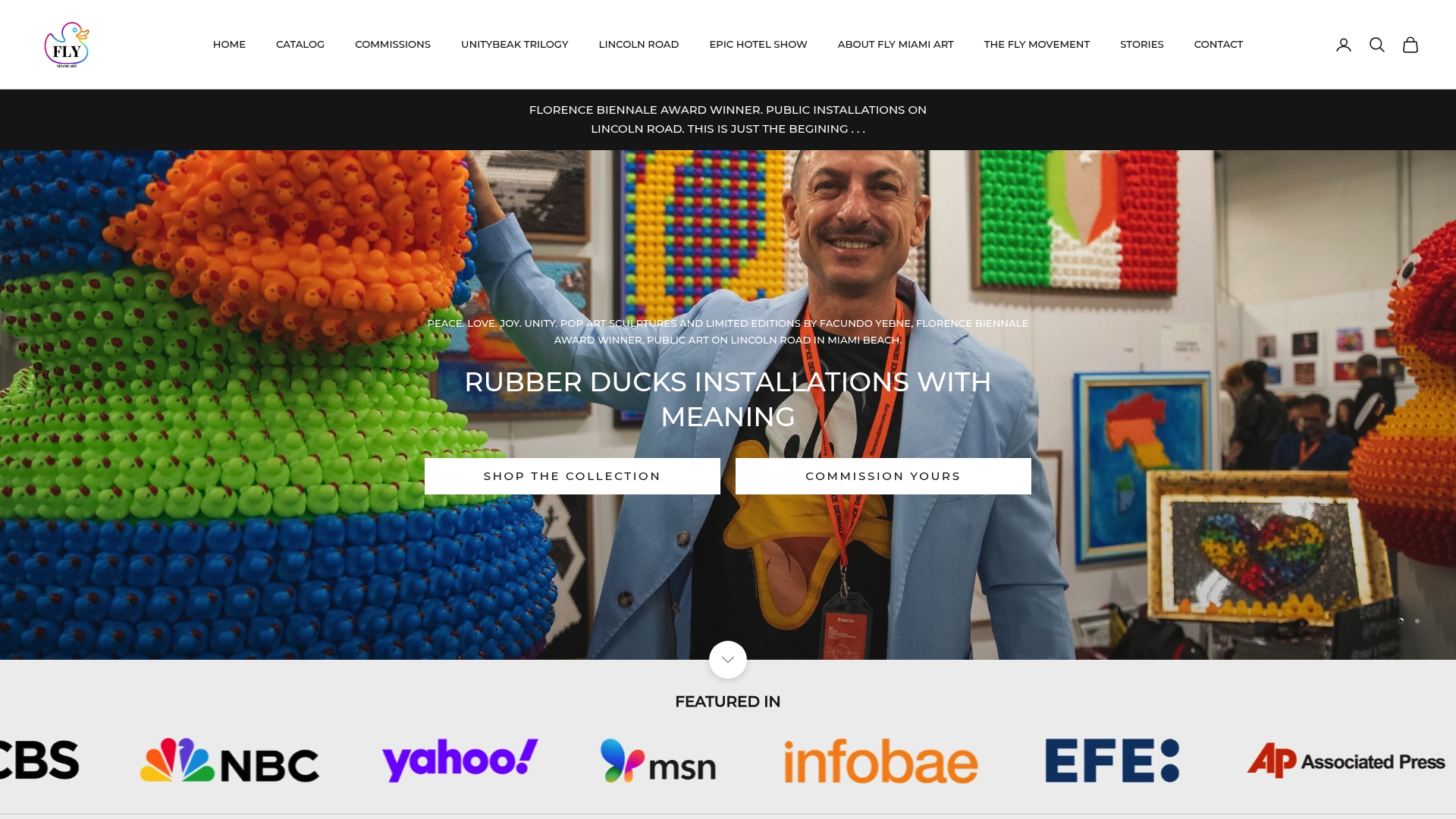
Flymiami’s statement pieces are designed for collectors and enthusiasts who want art that holds meaning beyond decoration. The works celebrate peace, unity, and the kind of vibrant cultural identity that Pop Art pioneered. If you want to bring that tradition into your space, Flymiami’s collection is a direct place to start.
FAQ
Why did Pop Art become a platform for marginalized voices?
Pop Art collapsed the divide between high art and mass culture, replacing insider vocabulary with imagery everyone recognized. That shift created access for communities historically excluded from fine art institutions.
What did Andy Warhol’s “Ladies and Gentlemen” series represent?
The series featured drag queens and trans women rendered in the same monumental silkscreen format Warhol used for mainstream celebrities. It signaled visibility for LGBTQ+ identities decades before mainstream culture acknowledged them.
How did Keith Haring connect pop art and social justice?
Haring collaborated with ACT UP to produce activist imagery addressing HIV/AIDS stigma, using accessible visual language to reach mass audiences. His model proved that populist aesthetics and radical political content can reinforce each other rather than conflict.
Why was Yayoi Kusama sidelined in Pop Art history?
Kusama received more press than Warhol in 1968 but was written out of the dominant Pop Art narrative by critics who favored male, Western figures. Her erasure reflects systemic bias in art criticism rather than any lack of cultural impact.
What is the difference between visibility and true inclusion in art?
Visibility means appearing within a movement. True inclusion means shaping its meaning as a co-creator of cultural knowledge. Pop Art often provided the first without fully delivering the second.