What Is an Arts District Development Concept in UV-Reactive Pop Art?
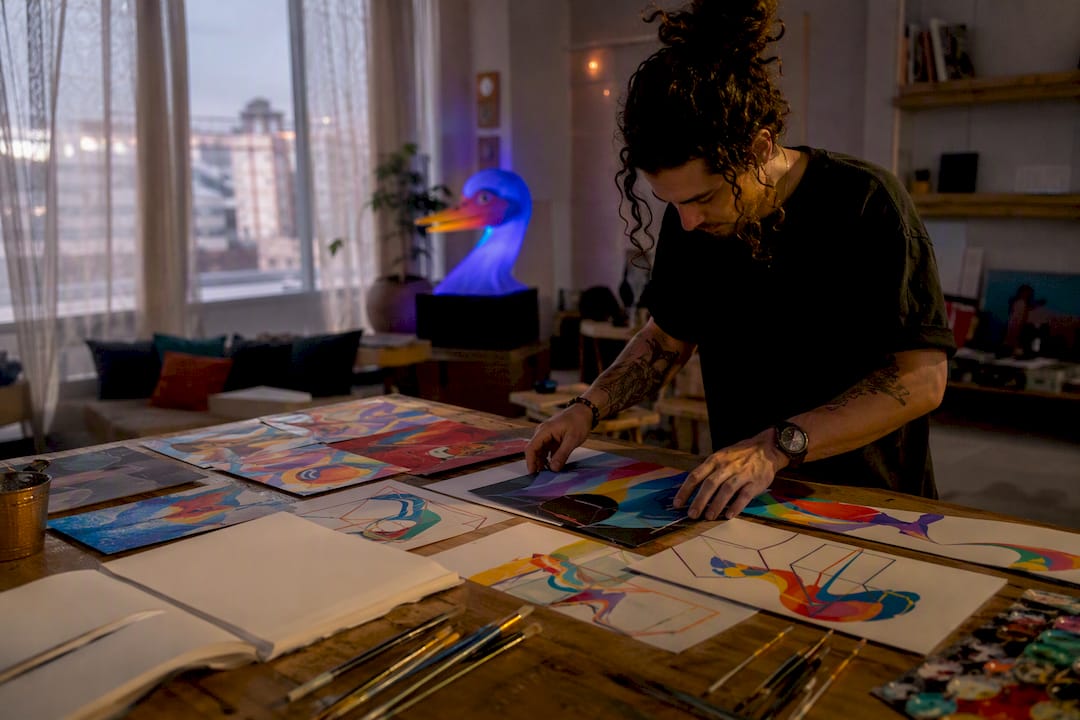
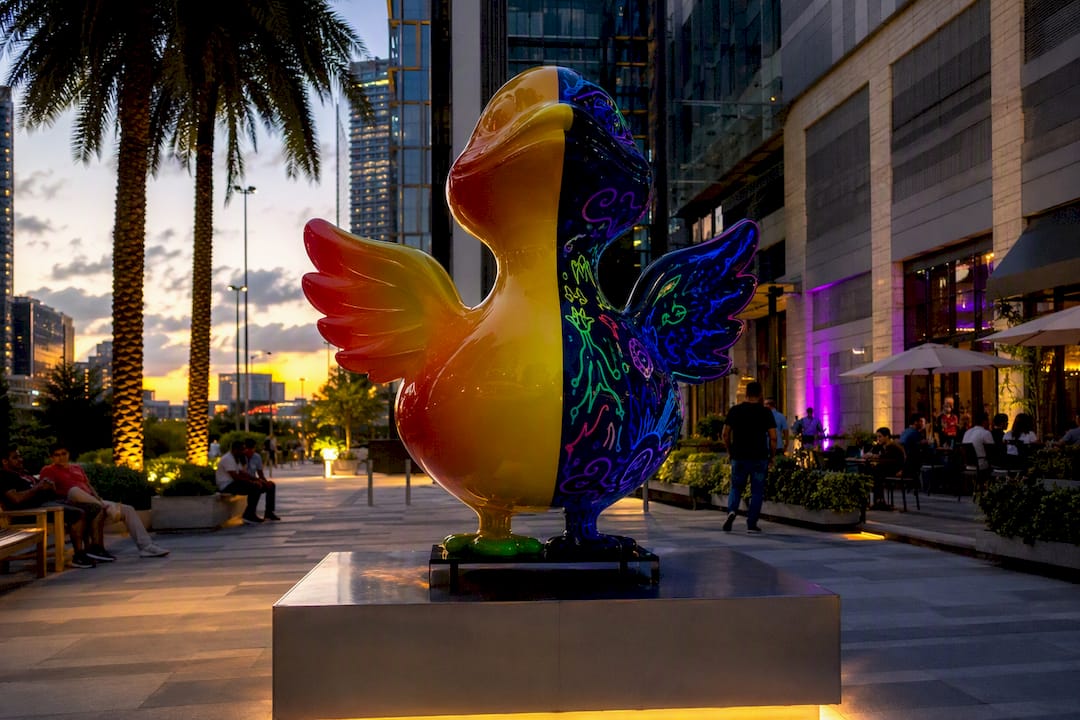
In the context of Flymiami’s studio practice, an arts district development concept means a limited-edition or original UV-reactive pop art piece, a wall installation, or a site-specific commission designed to reveal hidden color and pattern under blacklight. Facundo Yebne, the award-winning artist behind Flymiami, built the studio around this exact idea: sculptures and murals that read one way under normal light and transform completely once the UV fixtures switch on.
That authorship matters here. Every piece coming out of the studio is handmade, produced in limited runs, and engineered specifically for fluorescent response, not retrofitted with glow paint after the fact.
If you’re evaluating this for a lobby, gallery, or public commission, here’s where to start:
- Browse the UV Glow Art collection for ready pieces.
- Request a custom commission if you need something site-specific.
- Review the sections below on budget, conservation limits, and vetting before you contact a studio.
Key Takeaways
A UV-reactive pop art commission succeeds when procurement, lighting design, and conservation limits are locked into the contract before fabrication starts.
| Point | Details |
|---|---|
| Definition | The concept refers to limited-edition or site-specific UV-reactive sculptures, wall art, and installations produced by studios like Flymiami. |
| Choose the right procurement model | Use open call/RFQ for public accountability, RFP for design-first review, or a negotiated commission for speed. |
| Respect UV exposure limits | Keep exposure near the 10 microwatt per lumen conservation benchmark and manage daylight with UV-filtering film. |
| Vet the studio thoroughly | Request shop drawings, mockups, insurance certificates, and a maintenance manual before signing. |
| Start with Flymiami | Browse the UV Glow Art or Sculpture collections, or request a commission directly from the studio that engineers these pieces from concept through install. |
Table of Contents
- Why Buyers Commission UV-Reactive Pop Art
- How Does the Commissioning Process Work?
- What Lighting and Conservation Rules Protect the Artwork?
- How Do You Vet an Artist or Studio for This Work?
- Why Flymiami’s Studio Model Reduces Buyer Risk
- Ready to Commission or Purchase a Piece?
- Sources
Why Buyers Commission UV-Reactive Pop Art
The appeal isn’t novelty. It’s the second experience a single piece delivers. A sculpture that looks like a bold, colorful object in daylight and then reveals entirely different patterns under blacklight gives hospitality venues, event spaces, and collectors two distinct assets for one commission. That dual reveal tends to hold attention longer and generates the kind of phone-out, share-it moment that daylight-only art rarely produces.
Collectors get something else: scarcity. Limited-edition runs and one-of-one commissions carry provenance that supports long-term value, especially when the studio documents the piece with a certificate of authenticity.
Common settings include:
- Hotel lobbies and bars, where the glow reveal becomes a nightly signature moment.
- Brand activations and product launches needing a striking, photographable centerpiece.
- Gallery exhibitions built around a “reveal” theme.
- Corporate headquarters and lobbies looking for a conversation piece with real design intent.
- Permanent public installations where lighting can be engineered into the architecture from day one.
Pro Tip: If you’re commissioning for a space with mixed daytime and nighttime use, ask the studio to design the piece so both states work independently. A weak daylight version undercuts the whole investment.
How Does the Commissioning Process Work?
Buying or commissioning a UV-reactive piece follows a more structured path than a standard art purchase, mainly because fabrication, lighting, and installation all need to be planned together.
Three procurement models cover most situations:
- Open call or RFQ. Common for public institutions that need a competitive, documented selection process. Public-art programs like Austin’s Art in Public Places run this as a six-phase workflow: discovery, call for artists, selection panel, design, fabrication, and installation closeout.
- RFP or design-proposal. The buyer shortlists a few studios and asks for a design concept before committing, useful when the site has specific architectural constraints.
- Negotiated commission. Faster and more direct, typically used when a buyer already knows the artist’s work and wants to skip a formal review cycle.
A realistic timeline runs through five stages: concept development, artist or studio selection, design refinement, fabrication, and installation. Simple wall pieces can move in a matter of weeks; large-scale sculptures or site-specific installations with structural engineering often take several months from signed contract to install day.
Budgets break down into a few predictable components:
- Design and fabrication fee, the bulk of the cost, driven by scale, material, and complexity.
- Project management fee, generally benchmarked around 8 to 10 percent of the total, based on public-art project management guidance.
- Contingency, usually 10 to 20 percent, covering material price shifts or site surprises.
- Insurance and permit costs, which vary by jurisdiction and installation type.
Whatever model you choose, the contract should nail down deliverables, payment milestones (often deposit, midpoint, and final), any holdback tied to installation sign-off, maintenance obligations, a certificate of authenticity, insurance minimums, and clear language on rights and ownership. Flymiami’s guide to negotiating art commission agreements walks through each of these clauses in more detail. On the public side, Seattle’s public art roadmap often structures design development as roughly 15 percent of the total contract, with fabrication making up the remainder.
What Lighting and Conservation Rules Protect the Artwork?
UV-reactive pigment is a materials science problem as much as an artistic one, and getting the lighting wrong quietly kills the effect you paid for; for practical lighting and display guidance, see our detailed art lighting guide.
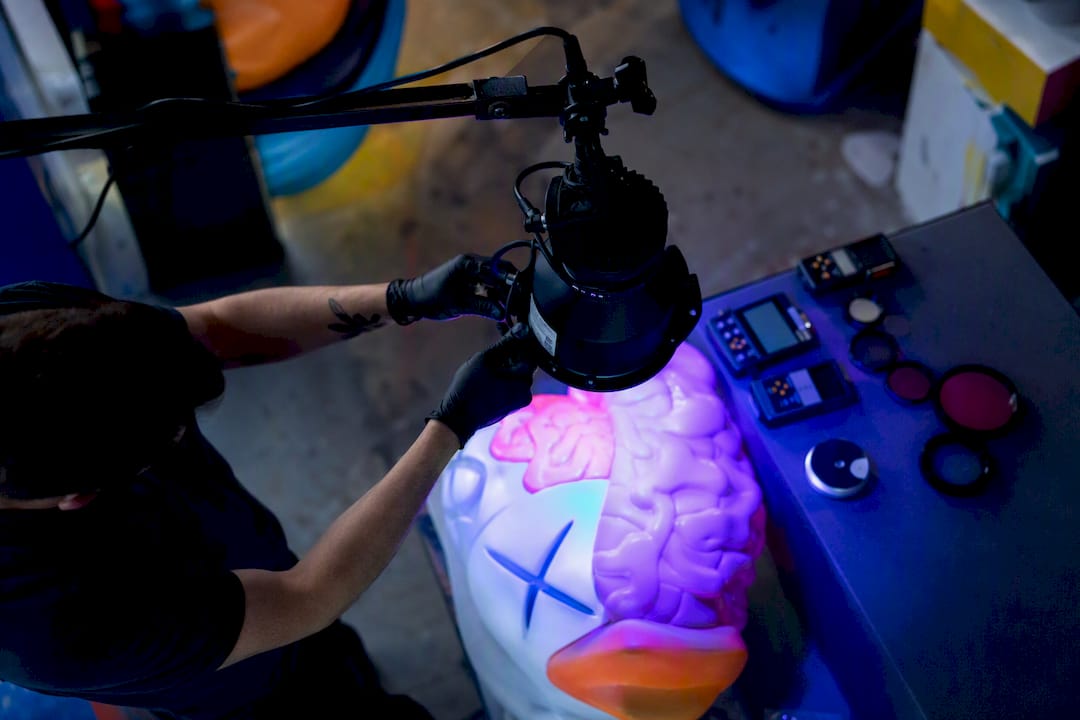
Museum conservators set a target UV exposure benchmark of around 10 microwatts per lumen to prevent long-term fading and material breakdown. Any space with significant daylight exposure needs UV-filtering film on windows, checked and replaced on a schedule rather than left indefinitely.
For the fixtures themselves, longwave UV-A lighting in the 365 to 395 nanometer range produces the strongest fluorescence with the lowest risk to viewers. Space fixtures to avoid hotspots and dark patches, and always test actual lux and irradiance levels on site rather than trusting a spec sheet.
Materials matter just as much. Water-based acrylic binders and flat, non-glossy white primers maximize fluorescence, while oil-based media and glossy topcoats can quench the glow or scatter it unpredictably. A few operational basics round it out:
- Screen for photosensitivity concerns before public installation.
- Post clear signage where blacklight fixtures operate.
- Require PPE for installers working with UV lamps.
- Schedule condition reports and maintenance checks on a fixed calendar, not an ad hoc basis.
How Do You Vet an Artist or Studio for This Work?
Not every artist who paints with fluorescent pigment can deliver a structurally sound, site-integrated commission. Vet accordingly.
- Confirm a documented track record of completed UV-reactive installations, not just studio samples.
- Ask for shop drawings and, for anything structural, a full-scale mockup before fabrication begins.
- Request insurance certificates and clarify who carries coverage during transport and installation.
- Get a maintenance manual and sample condition reports from prior projects.
- Check references tied to installations similar in scale to yours.
During interviews, push past the visuals. Ask about primer and binder chemistry, specific fixture recommendations and wavelength range, who signs off on structural drawings, and what maintenance responsibilities fall to you versus the studio after handoff. A studio that can’t answer the binder or fixture questions specifically is likely improvising.
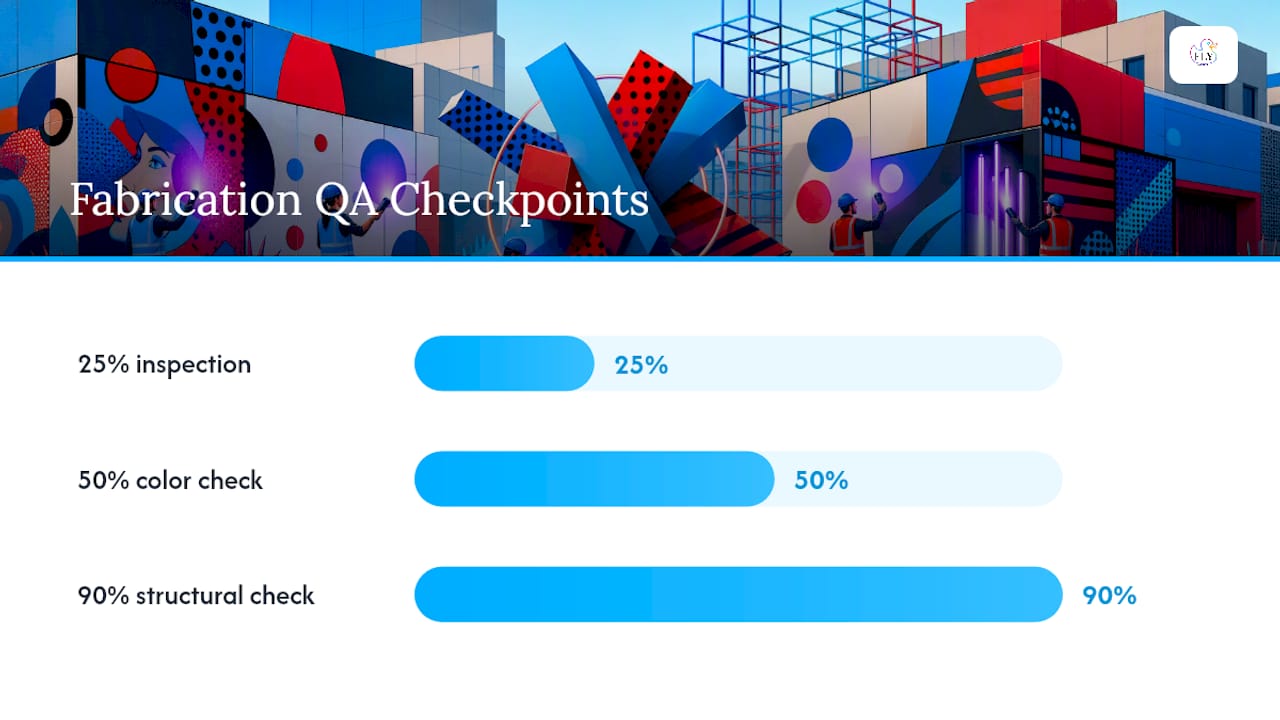
Pro Tip: Insist on quality-assurance checkpoints during fabrication, commonly recommended around 25, 50, and 90 percent complete. Catching a color or structural issue at 25 percent is a phone call. Catching it at install is a delay.
Why Flymiami’s Studio Model Reduces Buyer Risk
Facundo Yebne built Flymiami around one specific skill: sculptures and installations engineered from the ground up for fluorescent reveal, not retrofitted after the fact. That distinction shows up in the studio’s exhibition history and the recognition the work has drawn across pop art circles.
Buyer risk drops when the studio owns the whole workflow rather than outsourcing pieces of it. Flymiami’s process runs proposal and mockup first, then a contract that spells out deliverables and milestones, followed by fabrication oversight, installation coordination, and a maintenance manual handed off at the end. For anyone weighing whether a sculpture will actually survive a development timeline, Flymiami’s readiness checklist for public sculpture covers the same ground institutional buyers ask about most.
Ready to Commission or Purchase a Piece?
Flymiami is the direct path to a UV-reactive commission built by the studio that specializes in it, not a general contractor sourcing out the fluorescent work to a subcontractor. That means one accountable team from concept sketch to final install, instead of a fabricator, a lighting consultant, and an artist you have to coordinate yourself.
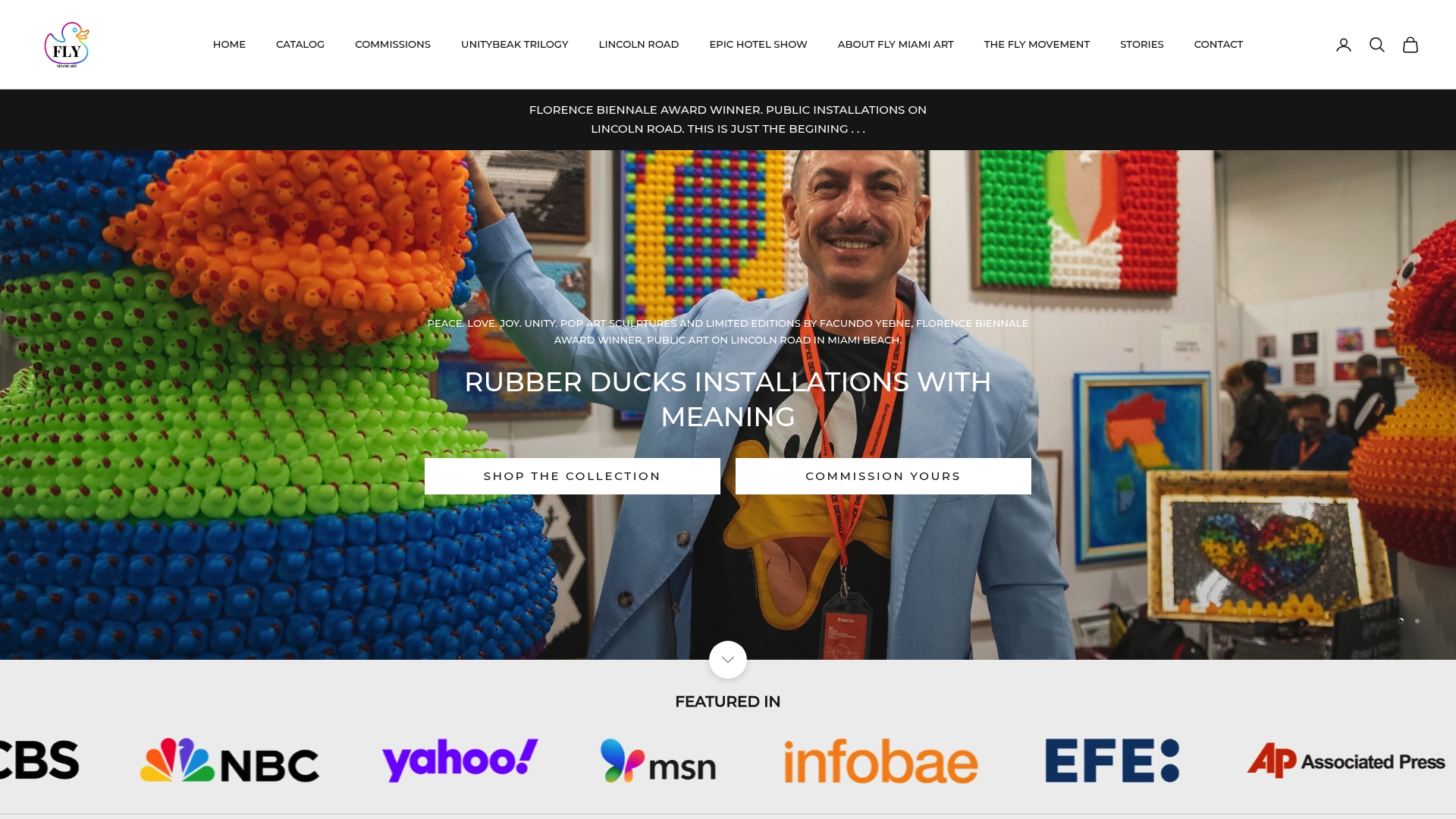
Start by browsing the Sculpture collection or the Wall Art collection to see what’s available now. If you need something built for your exact space, gather a few things before you reach out: site photos, target dimensions, your timeline, a rough budget range, current lighting conditions, and any structural constraints your architect has flagged. Flymiami’s studio process page shows exactly how a piece gets fabricated once you’re under contract.
From there, expect a proposal with mockups, a contract covering milestones and maintenance, a fabrication schedule, an installation plan, and a maintenance manual you keep on file. Request a commission and the studio will walk you through timing and cost specific to your space.
Sources
- CCAHA — Light exposure and artifacts: exhibition guidelines
- City of Austin — Art in Public Places process
- Seattle Public Art Roadmap — public art procurement and implementation
- DarkNiteGlow — Blacklight art and UV-reactive techniques
- Artworksoft — public art project management guide