What Makes Pop Sculpture Valuable: A Collector's Guide
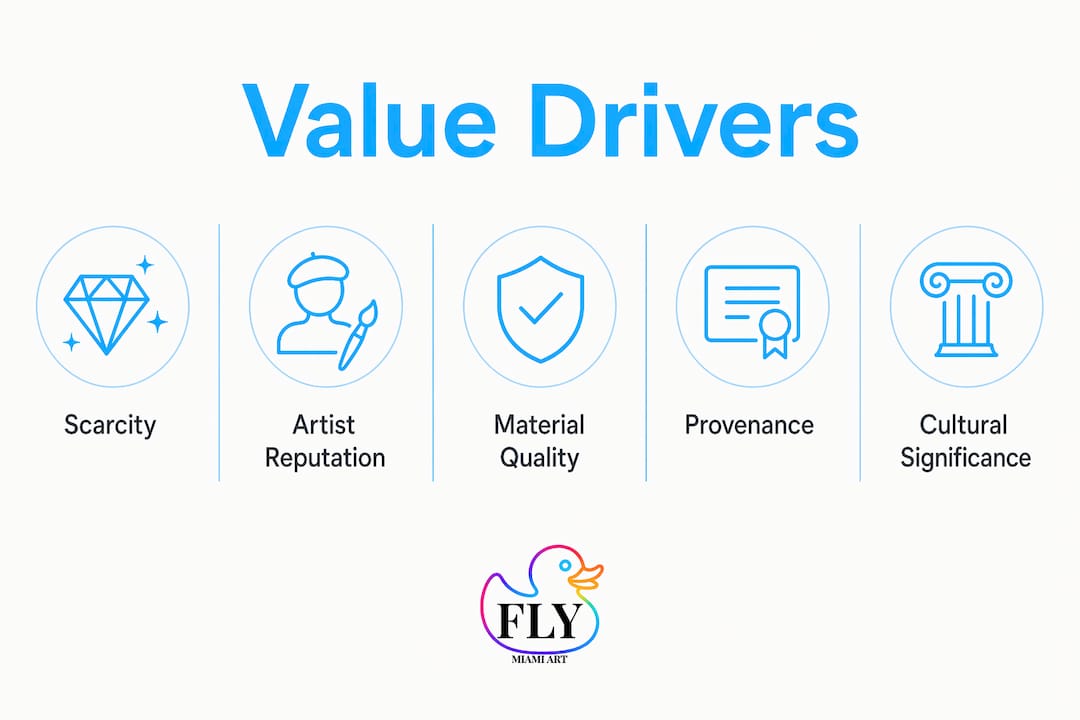
Pop sculpture value is defined by five measurable factors: scarcity, artist reputation, material quality, provenance, and cultural significance. These are not abstract qualities. Auction specialists, museum curators, and serious collectors use them as concrete criteria to separate investment-grade pieces from speculative ones. Understanding what makes pop sculpture valuable gives you a framework to appraise pop art sculpture value with confidence, whether you are building a legacy collection or buying your first major piece.
What makes pop sculpture valuable: scarcity and limited editions
Scarcity is the primary driver of collectible sculpture value. Limited editions of 500 units command significantly higher value floors than mass-market releases of 50,000 units. That gap exists because rarity creates competition among buyers, and competition drives price.
The difference between a limited and an open edition is not just about numbers. It is about documented intent. A piece produced in a controlled run, with a numbered certificate of authenticity and a foundry or studio record, carries proof of its scarcity. Without that documentation, a collector cannot verify the claim, and unverified claims trade at a discount.
Here is what scarcity documentation should include for a piece to hold investment-grade status:
- A numbered certificate of authenticity signed by the artist or studio
- A purchase receipt from an authorized gallery or dealer
- A record of the total edition size, ideally published at the time of release
- Foundry or production records for bronze or cast works
- Photographs of the piece at the time of acquisition
Pro Tip: When acquiring limited edition pop sculptures, request the edition number in writing before purchase. “Limited edition” without a documented ceiling is a marketing phrase, not a valuation qualifier.
Vinyl figures and collectible pop art sculptures also reward condition. Original packaging in mint condition can command premiums that sometimes exceed the value of the figure itself. Collectors who keep boxes, inserts, and original wrapping intact preserve a significant portion of their investment. Learning how to acquire limited edition pieces from vetted sources is the first practical step toward building a collection with real value floors.
How does artist reputation affect pop sculpture value?
Artist reputation acts as a value multiplier, not a starting point. A piece by an unknown artist with no institutional record starts at zero credibility, regardless of its aesthetic quality. A piece by an artist with museum acquisitions, auction history, and scholarly catalog entries starts with a documented value floor.
Serious collectors use a four-test framework to identify investment-grade pop art: institutional records in museum collections, comparable auction lot depth across multiple seasons, technical achievement validated by specialists, and inclusion in scholarly catalogs. Each test filters out speculative pieces that look appealing but lack the documentation to hold value over time.
Distinguishing speculative pop art from institutionally validated pieces is the single most important skill a collector can develop. Institutional validation through museums creates stable value floors that personal taste alone cannot replicate.
Museum retrospectives do more than celebrate an artist. They create a paper trail. When a major institution acquires a work or includes an artist in a curated exhibition, that decision is recorded, published, and referenced by future appraisers. Exhibition history adds provenance value that compounds over time, making works shown in major retrospectives significantly more liquid in secondary markets.
The practical takeaway for collectors is this: research the artist before the piece. Check auction records across multiple seasons, not just peak sales. Look for catalog raisonné entries, museum acquisition records, and critical reviews in peer-reviewed publications. A piece that passes all four tests is an asset. One that passes only one or two is a speculative buy.
Why do material quality and condition determine long-term worth?
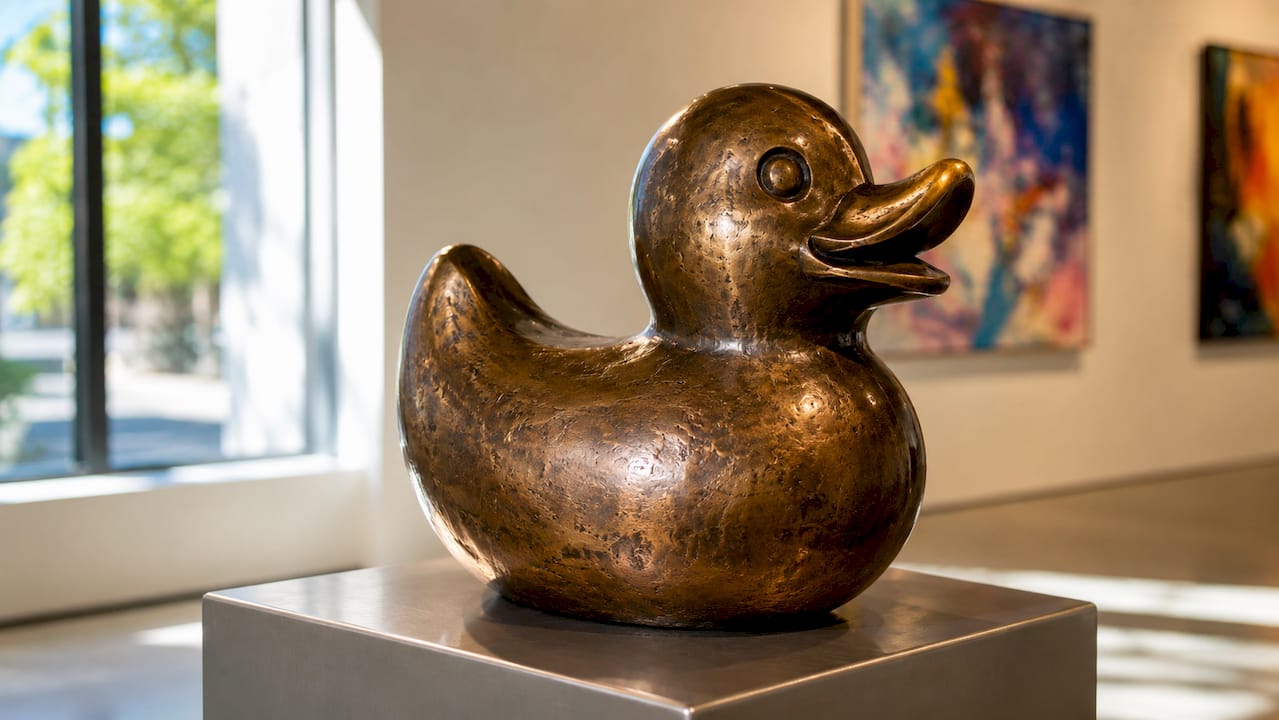
Material choice is not an aesthetic preference in the collector market. It is a valuation signal. Bronze is the preferred material for sculptures because its natural patina documents age and adds character over time. Resin, plaster, and polymer clay are typically viewed as preliminary materials or lower-grade alternatives.
| Material | Collector perception | Value trajectory |
|---|---|---|
| Bronze | Investment-grade, ages with character | Appreciates with documented patina |
| Resin | Acceptable for contemporary limited editions | Stable if edition is small and documented |
| Plaster | Often seen as a maquette or study piece | Rarely appreciates; used as reference |
| Polymer clay | Craft-level; rarely museum-worthy | Minimal secondary market demand |
Condition is equally decisive. Patina loss, amateur repairs, missing parts, and inappropriate cleaning can reduce a sculpture’s value drastically. Collectors and appraisers inspect surface condition closely, and any evidence of intervention without professional documentation raises red flags.
Pro Tip: Never clean or polish a sculpture before an expert evaluation. The original surface condition, including natural aging and patina, provides critical evidence for appraisers. Over-cleaning can permanently destroy value.
The combination of artist, edition, foundry, condition, and documentation must be evaluated together. Broad market comparisons mislead collectors who match only one or two variables. A bronze by a documented artist in excellent condition with full foundry records is a different asset class from a bronze with no records and a polished surface.
How does provenance shape a pop sculpture’s market value?
Provenance is a binary qualification for investment-grade status. A work either has a continuous, documented ownership history or it does not. Authentication acts as a filter: works with provenance gaps face perpetual market discounts, regardless of how aesthetically strong they are. This is not a soft rule. It is how auction houses and institutional buyers operate.
Strong provenance includes several layers of documentation:
- Original purchase receipts from a gallery, dealer, or auction house
- A chain of ownership records with no unexplained gaps
- Exhibition labels, catalog entries, or loan records from institutions
- Correspondence between previous owners and the artist or studio
- Insurance records that document the piece’s identity and condition over time
Culturally significant collaborations and iconic pop art pieces gain additional premiums when their story is documented. A sculpture tied to a specific exhibition, a cultural moment, or a notable collector’s estate carries a narrative that buyers pay for. That narrative must be verifiable. Undocumented stories are anecdotes, not provenance.
Works requiring explanation face perpetual market discounts regardless of aesthetic quality. The practical implication is clear: build your documentation file from the moment of purchase. Keep every receipt, certificate, and correspondence in a dedicated archive. That file is part of the artwork’s value.
The role of authenticity in creative work extends beyond the studio. For collectors, authenticity is a paper trail, not a feeling.
How do cultural significance and market trends affect investment potential?
Pop art’s connection to consumer culture, celebrity imagery, and social critique is not incidental. It is the source of its long-term market appeal. Pieces that capture iconic cultural moments or pioneer a new visual language attract sustained collector interest across decades, not just at the moment of release.
The factors that translate cultural significance into financial returns follow a clear pattern:
- Iconic subject matter. Sculptures referencing recognizable consumer objects, cultural figures, or social critiques generate broader audience recognition, which expands the buyer pool and supports higher bids.
- Pioneering technique. Works that introduce a new material, process, or visual approach gain historical significance as the market matures. Early adopters of UV-reactive materials, for example, occupy a documented position in the medium’s history.
- Institutional endorsement. When museums and major collectors acquire pieces tied to a cultural movement, they validate the movement’s place in art history. That validation flows back to related works in private collections.
- Sustained critical debate. Pieces that generate ongoing scholarly discussion hold attention longer than those that receive a single positive review. Critical debate is evidence of cultural staying power.
Sophisticated collectors acquire pop art that meets both aesthetic and investment-grade standards. The most durable collections balance personal enjoyment with strategic criteria. Buying only what you love without checking institutional records is a lifestyle choice. Buying only what the market validates without personal connection leads to a collection without coherence. The strongest collections do both.
Understanding why pop art remains culturally relevant is not just an academic exercise. It directly informs which pieces are likely to appreciate and which will stagnate.
Key Takeaways
Pop sculpture value is determined by the intersection of scarcity, artist validation, material durability, documented provenance, and cultural significance, and no single factor is sufficient on its own.
| Point | Details |
|---|---|
| Scarcity drives value floors | Limited editions with documented edition sizes and certificates of authenticity command measurably higher prices. |
| Artist reputation requires proof | Museum acquisitions, auction depth, and scholarly catalog entries are the four-test standard for investment-grade status. |
| Material quality signals intent | Bronze with original patina outperforms resin or plaster in long-term collector markets. |
| Provenance is a binary filter | Works with continuous ownership documentation trade at premiums; gaps create permanent discounts. |
| Cultural significance compounds returns | Pieces tied to iconic moments or pioneering techniques attract sustained institutional and collector interest. |
What I have learned about collecting pop sculpture the hard way
My perspective on what makes pop sculpture museum-worthy or investment-grade has shifted considerably over the years. Early on, I bought pieces because they moved me visually. That instinct is not wrong. But I learned quickly that aesthetic response and market value are separate conversations, and confusing them is expensive.
The single most important lesson I can share is this: authentication is not a formality. It is the first filter, and it is binary. A piece either has a clean, documented history or it does not. No amount of visual appeal compensates for a provenance gap when you try to sell, donate to an institution, or insure a work at its true value.
I have also seen collectors damage their own investments by cleaning sculptures before appraisal. The original surface condition, including aging and natural patina, is evidence. Removing it to make a piece look “better” destroys information that appraisers need and cannot recover.
The collectors I respect most treat their documentation files with the same care as the works themselves. Every receipt, every exhibition label, every piece of correspondence goes into an archive. That archive is part of the artwork. When you acquire a piece with a strong story and the records to prove it, you are not just buying an object. You are buying a position in art history.
At Flymiami, the work we create with artist Facundo Yebne is built with this in mind. UV-reactive materials, handcrafted execution, and documented studio process are not just aesthetic choices. They are the foundation of a provenance record that collectors can build on from day one.
— Facundo
Flymiami’s pop sculptures for serious collectors
Flymiami creates handcrafted pop art sculptures designed to meet the criteria that serious collectors prioritize: documented artistic process, limited availability, and materials chosen for both visual impact and longevity.
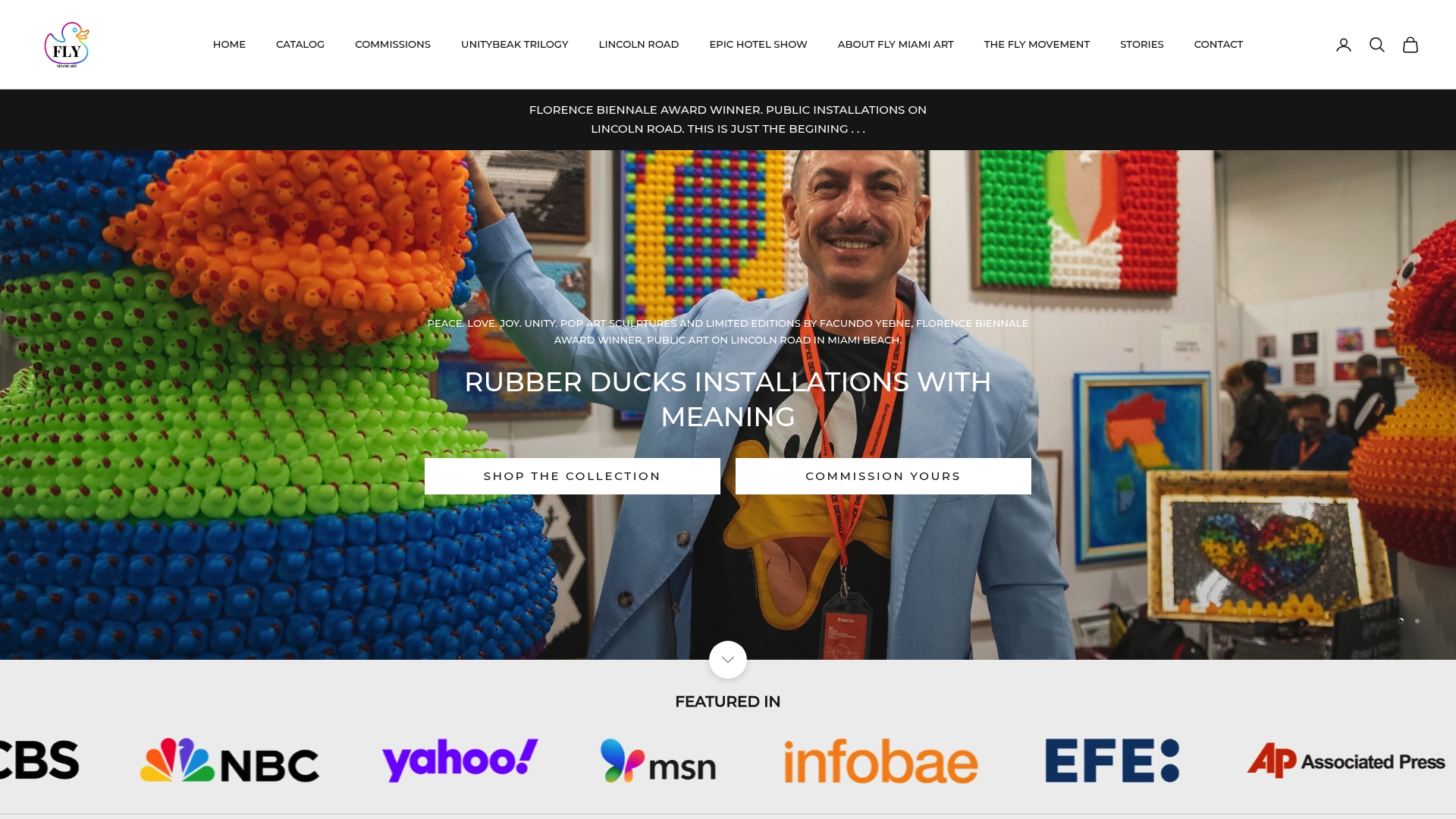
Artist Facundo Yebne’s work incorporates UV-reactive materials that reveal hidden patterns under blacklight, placing each piece in a documented position within contemporary pop sculpture’s evolving history. These are not mass-market objects. They are works with a clear studio origin, an identifiable artistic voice, and the kind of cultural specificity that supports long-term value. Collectors looking to add investment-grade sculptures to their holdings will find pieces that balance aesthetic strength with the documentation standards the market demands. For collectors who want to see the full range of available works, the sculpture collection is the right starting point.
FAQ
What makes pop sculpture valuable above other art forms?
Pop sculpture value comes from the combination of scarcity, documented provenance, material quality, and cultural significance. Three-dimensional works also offer display advantages that flat art cannot match, which expands their collector appeal.
How do I appraise pop art sculpture value accurately?
Accurate appraisal requires evaluating the artist’s institutional record, the edition size, the material and condition, and the completeness of the ownership history. Broad market comparisons mislead when they do not match all five variables: artist, edition, foundry, condition, and documentation.
What is the investment potential of pop sculpture?
Pop sculptures with institutional validation, limited editions, and strong provenance have demonstrated appreciation over decades. Works tied to cultural movements or pioneering techniques attract sustained buyer interest that supports long-term value growth.
What makes a pop sculpture museum-worthy?
Museum-worthy pop sculptures pass the four-test framework: institutional records, auction depth across multiple seasons, technical achievement validated by specialists, and inclusion in scholarly catalogs. Exhibition history and critical debate further strengthen a work’s case for institutional acquisition.
Does condition really affect pop sculpture value that much?
Condition is decisive. Patina loss, amateur repairs, missing components, and inappropriate cleaning can reduce a sculpture’s market value significantly. Collectors and appraisers treat any undocumented intervention as a red flag that lowers both price and liquidity.